Illinois Extension Academy cohort poised to cultivate collaboration and impact
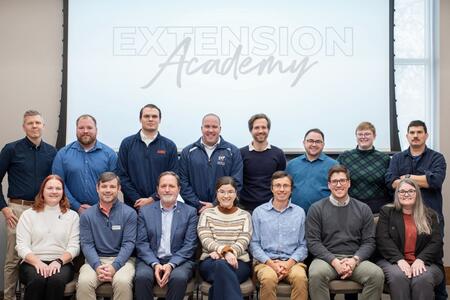
URBANA, Ill. — Collaboration and shared expertise strengthen any project, especially when they help deliver the University of Illinois Urbana-Champaign’s latest research and best practices to communities across Illinois and beyond.With the start of the...
Illinois Extension’s strategic plan shows significant progress in year one
URBANA, Ill. — University of Illinois Extension is driving statewide impact through its comprehensive 10-year strategic plan, focused on the key priorities of environment, food and agriculture, health, community, economy, technology and discovery, partnerships, and workforce...
Strengthen livestock facility management through 2026 Certified Livestock Manager Training
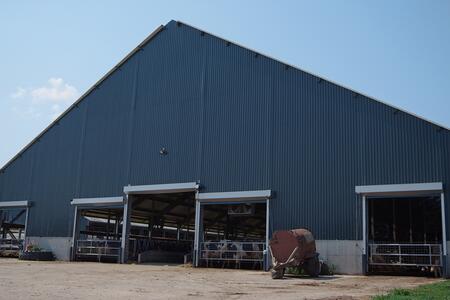
URBANA, Ill. — Livestock operations are strengthened by having certified individuals on staff. Certification helps minimize environmental impacts through increased awareness of regulations and proper manure nutrient management. Anyone responsible for managing a facility can benefit from...
Extension advances mission of lifelong learning at annual conference
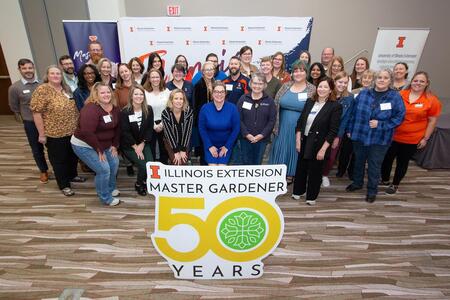
URBANA, Ill. — Across the state, University of Illinois Extension staff link their communities with resources they need to thrive by turning science into solutions. Demonstrating Extension’s mission of life-...
Illinois Extension offers legal series to empower farmers to strengthen, safeguard operations
URBANA, Ill. — In times of uncertainty, protecting your livelihood and assets is essential. Each farm and farm family has a unique experience and specific needs, but the success of Illinois farmers is vital for everyone in our state.“With the converging crises of the COVID-19 pandemic,...
Illinois Extension Agronomy Summits equip farmers with strategies for year ahead
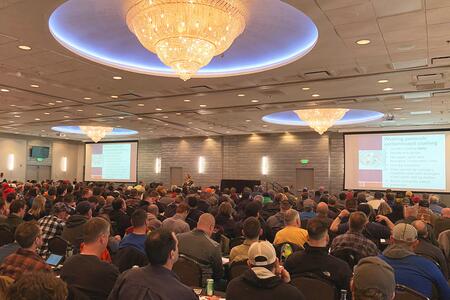
URBANA, Ill. — With harvest season behind us and spring planting on the horizon, now is the time to prepare for the year ahead. University of Illinois Extension invites farmers, agronomists, and agriculture professionals to attend one of the upcoming Agronomy Summits across...
Register for in-person pesticide applicator training clinics, testing offered statewide
URBANA, Ill. — Lead with experience, safety, awareness, and knowledge to help ensure safer pesticide application with training from the University of Illinois Pesticide Safety Education Program. Sign up for an in-person training and testing clinic offered across Illinois from...
Nine new invasive species regulated in Illinois with expansion of Exotic Weeds Act
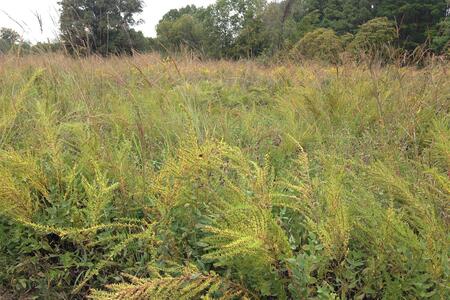
SPRINGFIELD, Ill. — The forests and prairies of Illinois have a new line of defense against harmful non-native plants. On Oct. 1, the Illinois Department of Natural Resources added nine more invasive plants to the list of species that are illegal to buy,...
Start selecting 2026 Illinois Performance Tested Sale bulls
URBANA, Ill. — Seedstock breeders should be identifying bulls they plan to consign to the 2026 Illinois Performance Tested Bull Sale. The IPT Bull Sale is the leadoff event for the annual Illinois Beef Expo in...
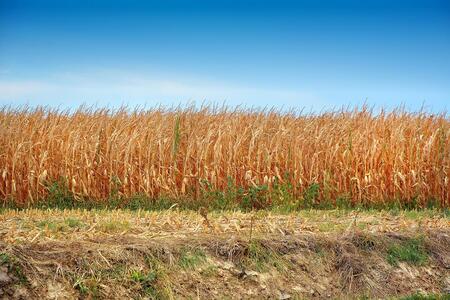
Drought is intensifying across Illinois
An extremely dry end to summer and start to fall has intensified the ongoing drought in central and southern Illinois and increased the fire and blowing dust risk as we approach harvest, according to Illinois State Climatologist...