Title
Big Idea:
There is always a plant that can be found for even the smallest areas of the garden.
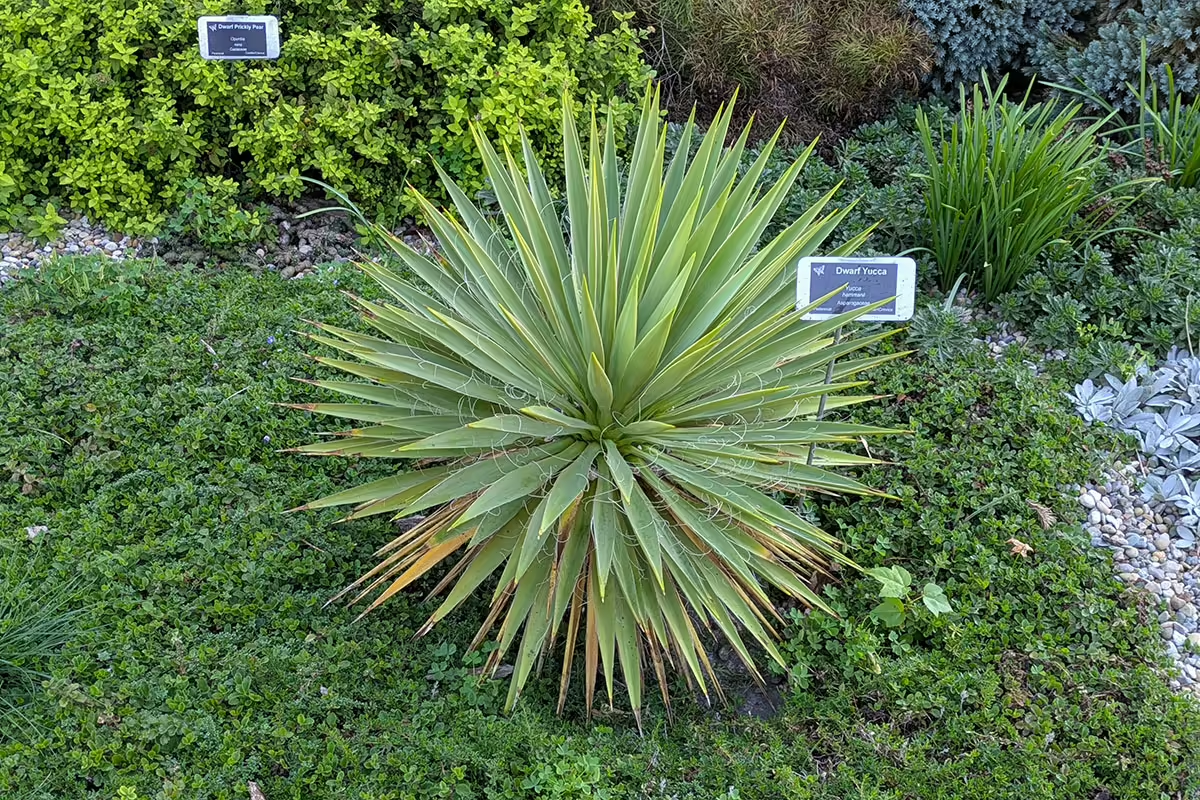
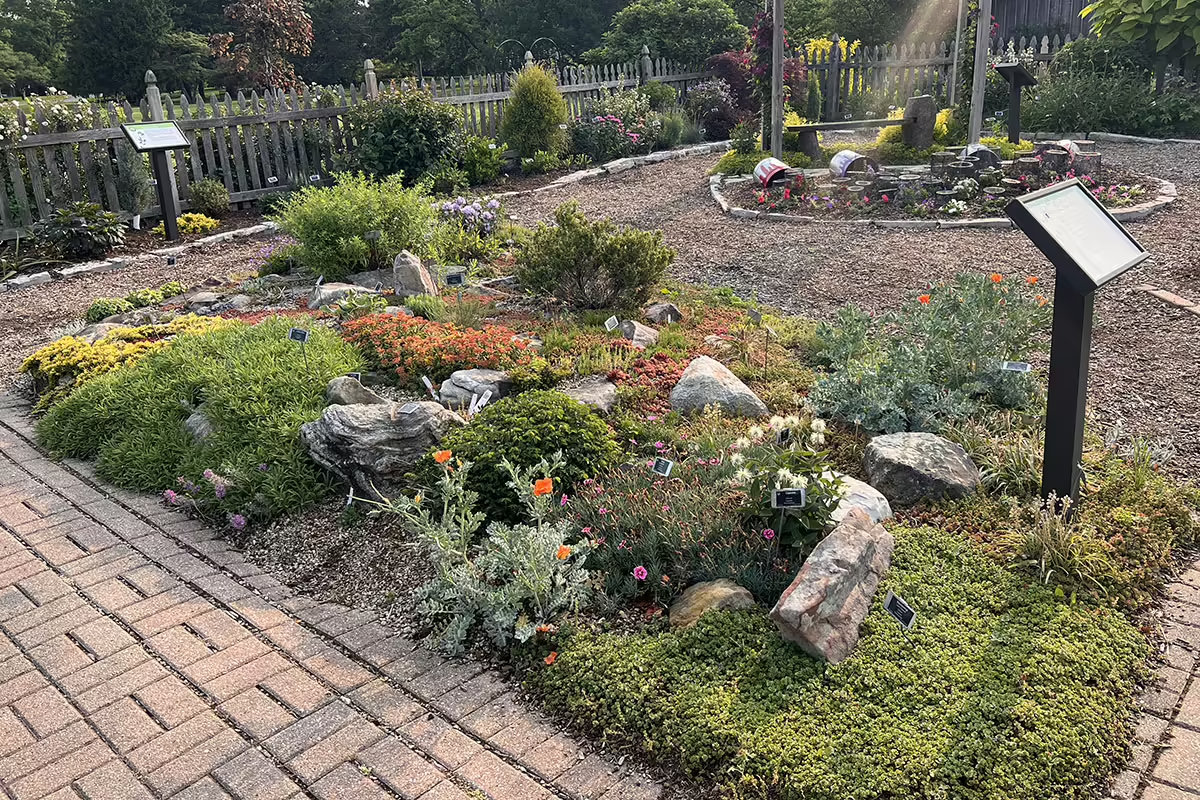
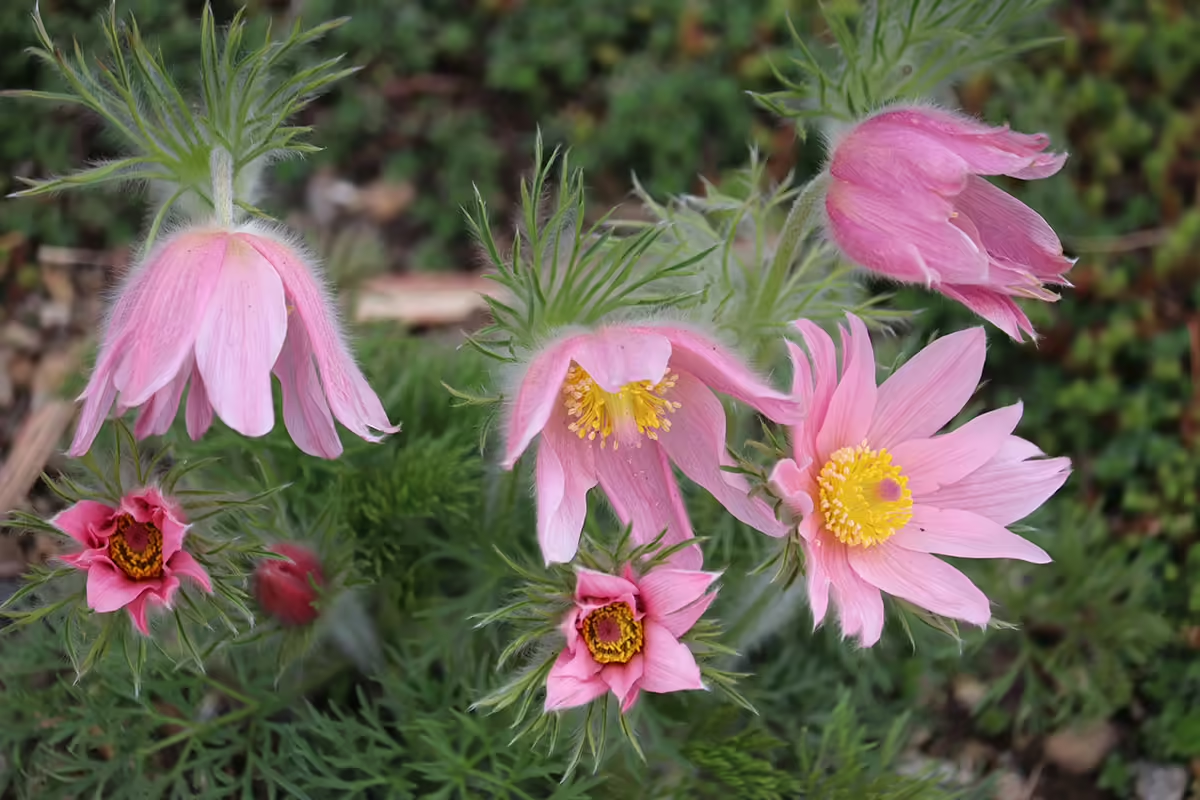
This garden demonstrates plants that can be grown where space is limited. Perennial alpine plants and dwarf or miniature conifers are ideal for planting in small nooks and crannies. Many plants bloom from spring through late summer. True alpines growing at high altitudes (above the tree line) bloom early to flower and set seed before the arrival of colder fall and winter weather.
Crevice gardens are a variant of rock gardens. Typically, flagstone is placed on edge, buried at least 2 feet, and backfilled with sandy loam. Larger stones may also be used. A crevice garden of 10 by 30 feet will make an impressive display of dwarf alpine plants.
To prepare the gardens, the soil was dug to a depth of 8-10 inches, and gypsum was added to help break up the heavy clay. The soil was amended by adding in nearly equal parts coarse sand and compost to promote good drainage. Overall, each bed is slightly raised. Pea gravel (¼-inch in diameter) is used as a mulch.
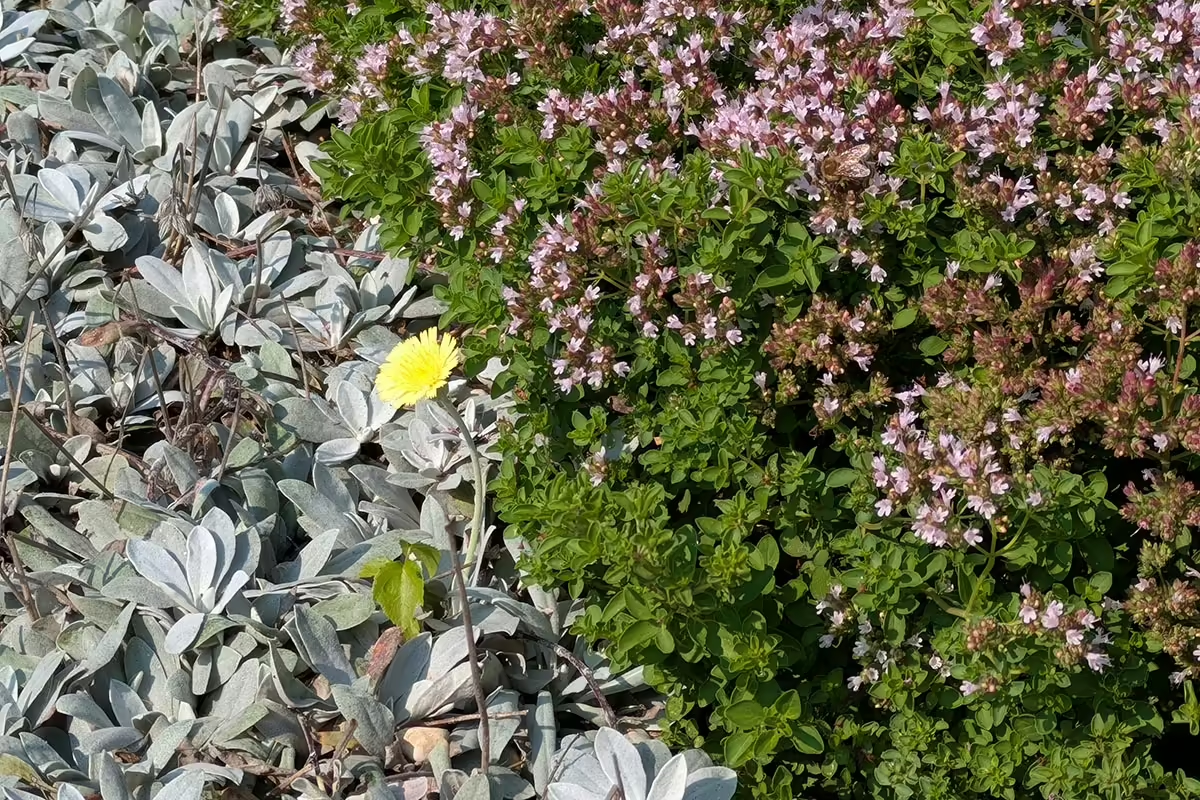
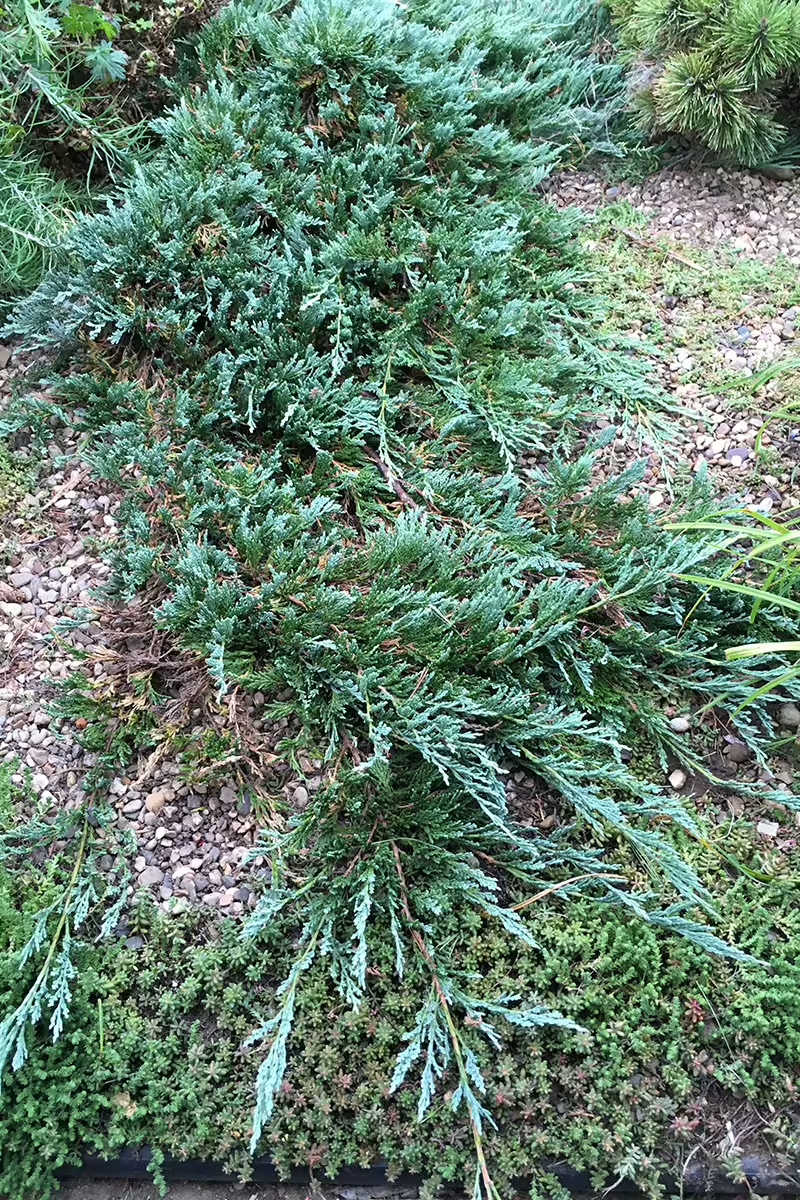
Small perennials and some self-seeding annuals, like sedums and creeping thymes, occupy the crevices between the large, flat rocks; some are grown as groundcovers or accent plants in conifer gardens.
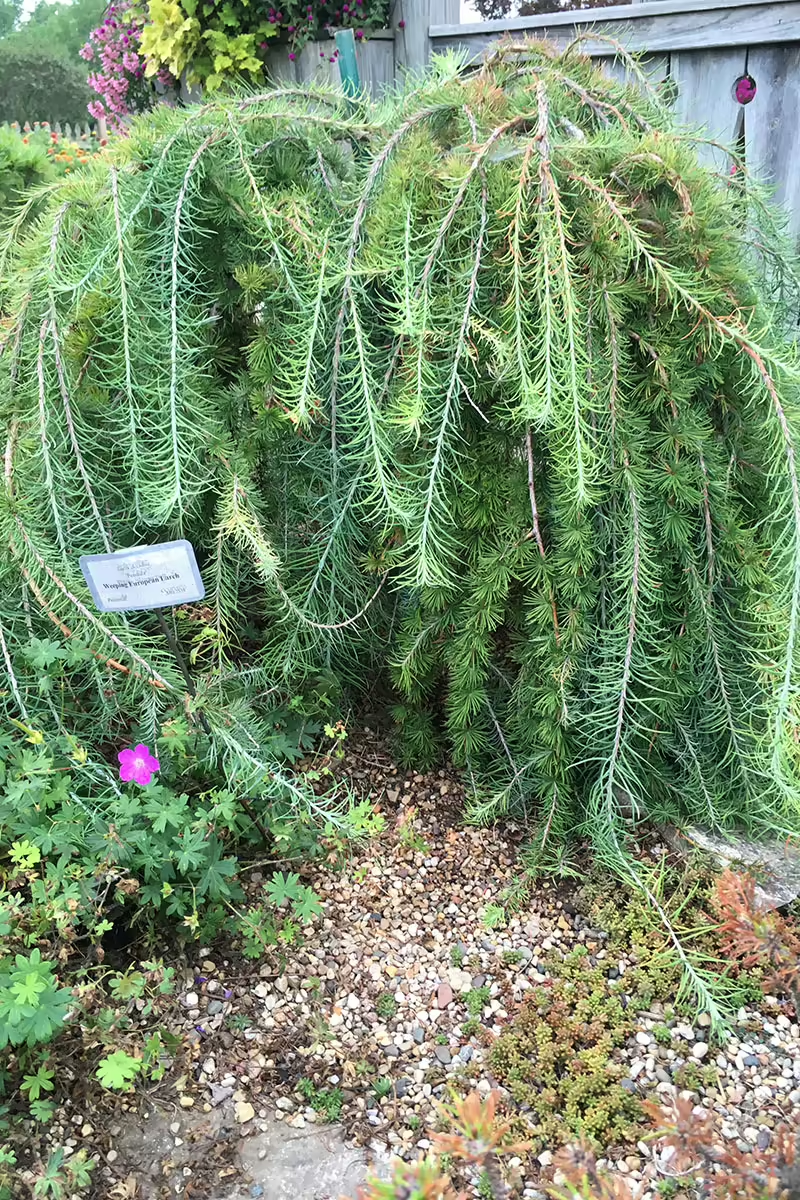
The conifers are all “dwarf” or miniature varieties. A dwarf conifer grows 1 to 6 inches per year and attains a height of 1 to 6 feet at 10 years. A miniature conifer grows less than 1 inch per year and is less than 1 foot tall at 10 years. Size can also be controlled by judicious pruning.
Rock and crevice gardens are becoming more popular as smaller, dwarf plants are now readily available at nurseries and garden centers. For a greater variety of plants, consult the following websites: