Title
Big Idea:
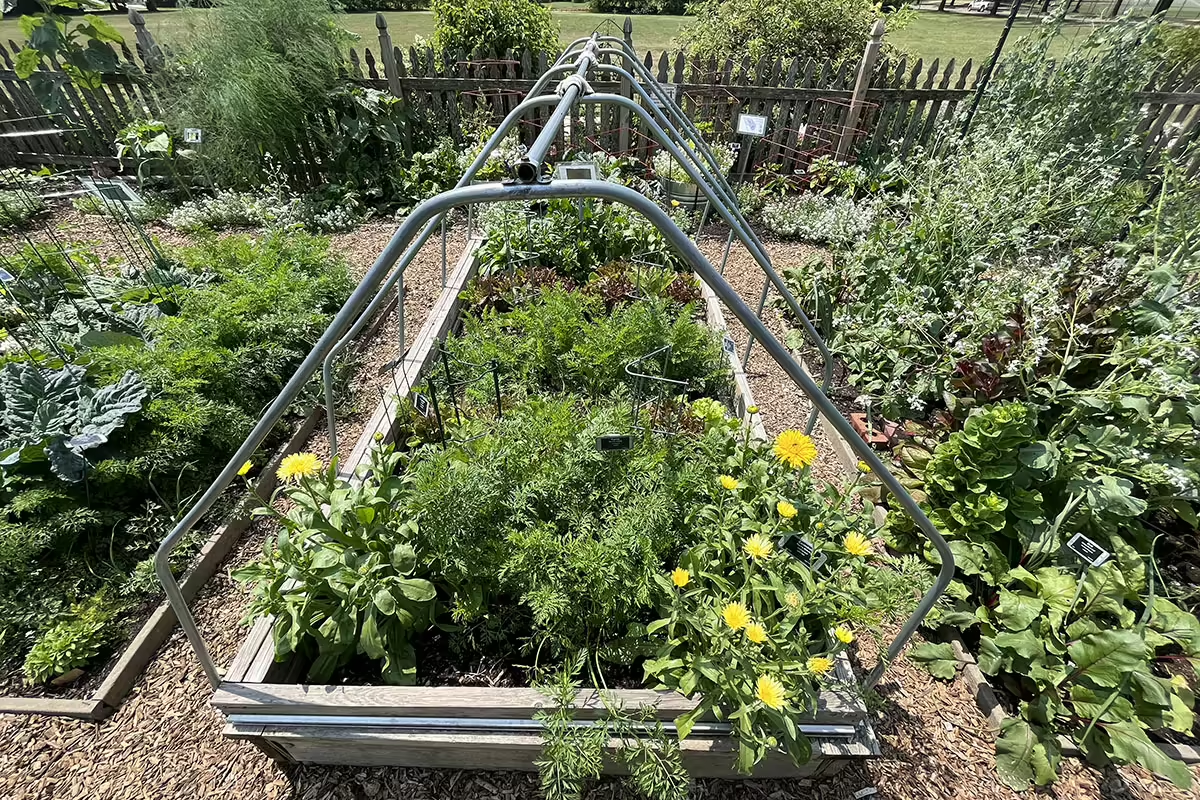
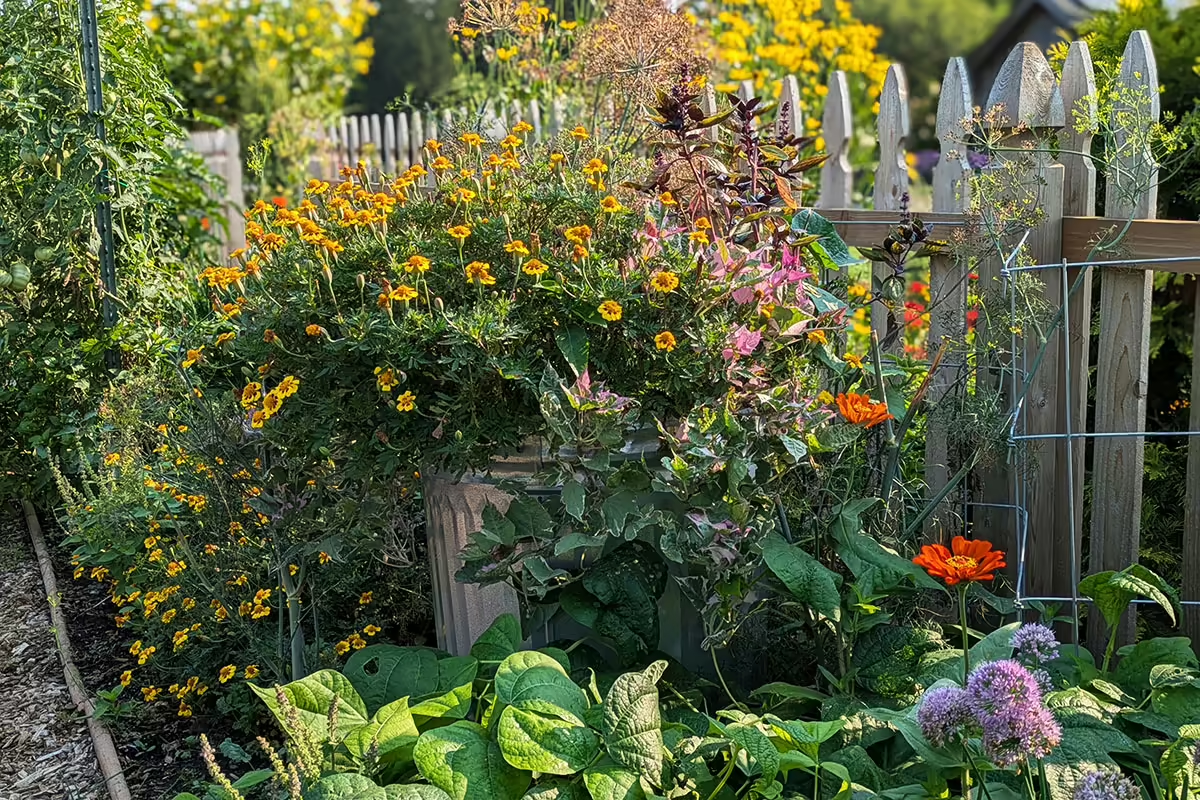
Vegetable gardens can be as beautiful to behold as gardens filled with flowering annuals and perennials.
2026 Theme: "Heirlooms vs Cultivars: Which do you want on your plate?"
Each year the vegetable garden beds are planted according to a theme decided upon by the team during a winter planning meeting.
Welcome to our 2026 experiment: Among the plants we’re growing this year, we’ve paired 13 heirloom vegetables with 13 more recent cultivars to draw attention to some of the choices we can make as producers of edible plants. You’ll see plant markers pointing out these pairings.
Our hypothesis is that reintroducing heirlooms to today’s vegetable gardens can increase genetic diversity, local uniqueness, and flavor in the produce we grow and eat. Visitors are invited to inspect the pairings of heirloom/cultivar to see whether one of them appears to be more productive than the other, although, as we have noted, productivity is not the only criteria by which we're judging the quality of each type of plant.
Organic Gardening in Action
Another concept of note for the veggie section is the use of organic gardening principles, key among which are: use of only OMRI-approved pesticides, herbicides or fertilizers.
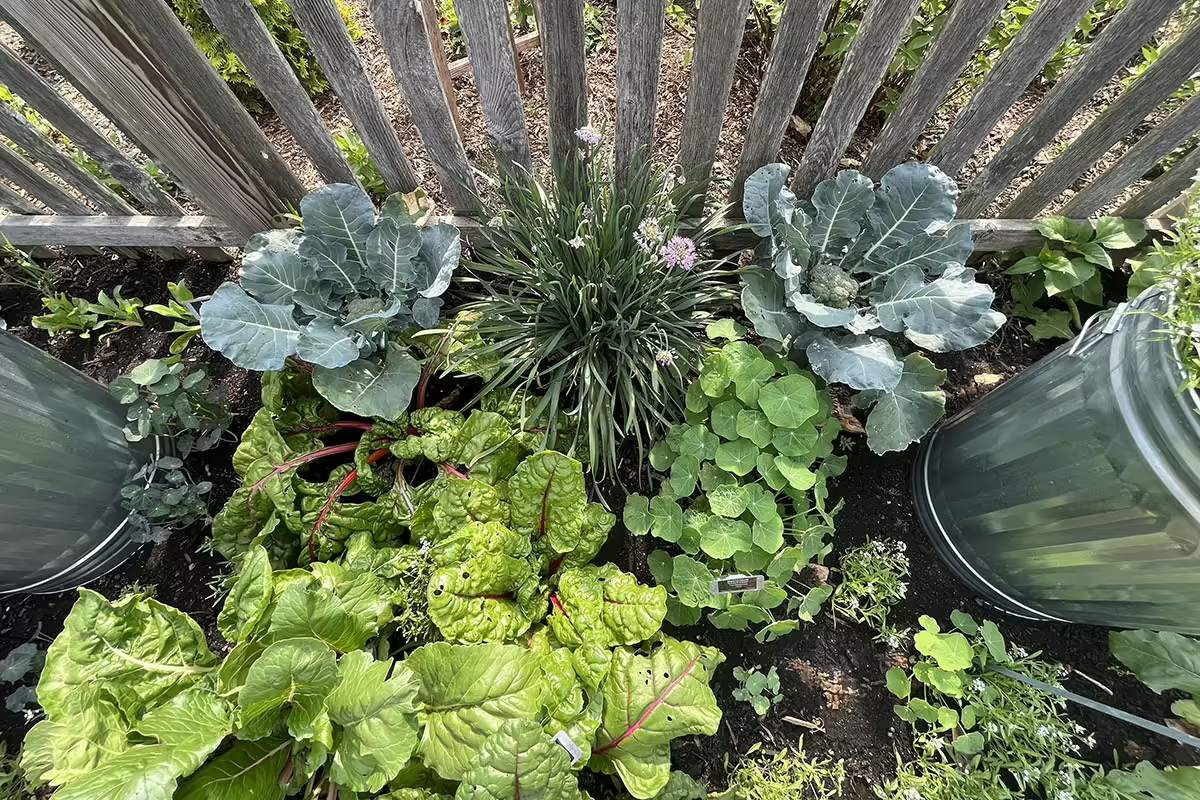
Also of note for this section is the incorporation of no-till gardening, science-based companion planting, vertical structures, and crop rotation.
Companion planting can be pairings to benefit plant growth, such as the traditional 3 sisters planting of corn, beans and squash, or pairings to attract beneficial insects that will kill insects that damage vegetable plants. The concept of interspersing plants and plant families together is an attempt to confuse insects that might lay eggs that damage the plants or might nibble on seedling leaves.
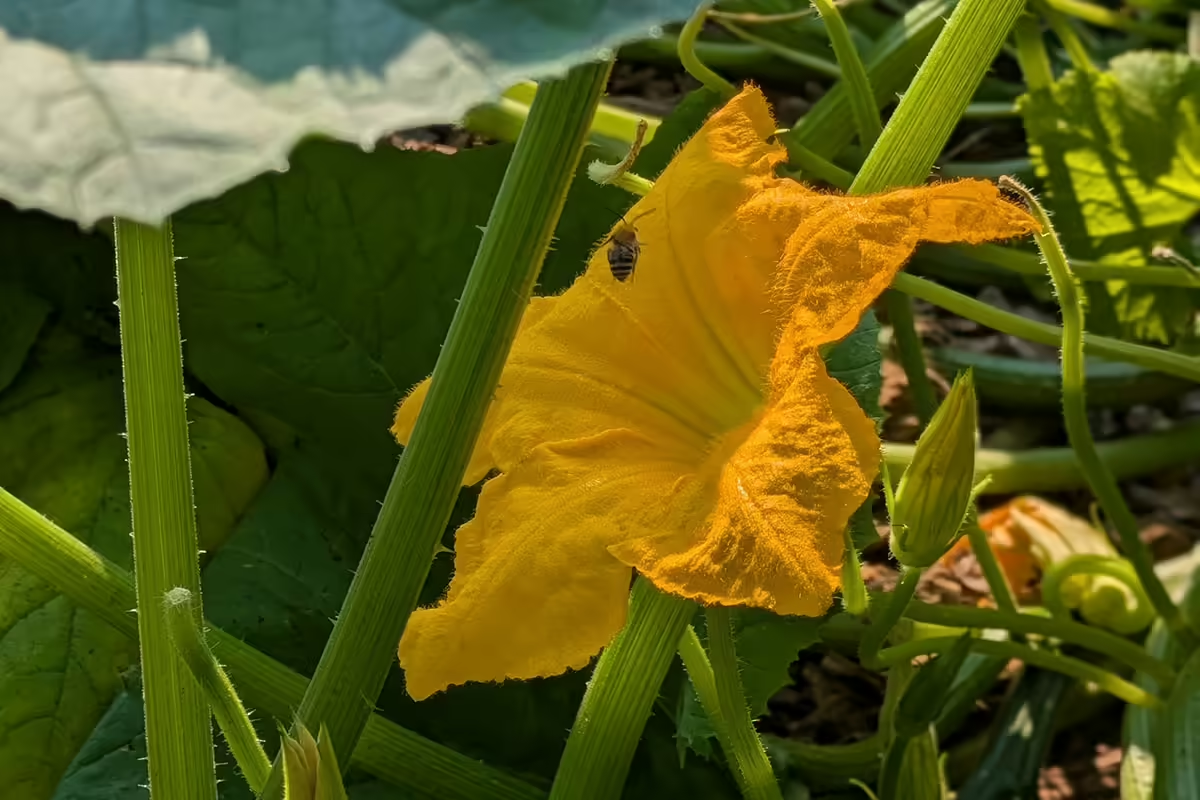
This section plants alyssum as a low-growing, flowering plant that attracts small wasps and flies for pollination and to kill other insects. Using alyssum is a common practice for large-scale organic farmers because it not only attracts insect predators but also shades the soil without competing with the root systems from other plants. There is a small, predatory wasp that is attracted to the flowers that will lay eggs on tomato hornworm. These eggs hatch and young eat the hornworm caterpillar, eventually leading to its demise.
Marigolds, basil, alliums like garlic, leeks, and onions, and other strong-smelling plants confuse insects and mammals. We surround our beds with the allium family of plants to deter voles and rabbits. Since this has been in practice, there has been very little damage to plant families like the brassicas.
Design: Vertical structures provide both beauty and function. Growing up allows more vegetables to be grown in the same space. Verticality can provide good airflow to reduce pest and disease loads on plants.
Crop rotation is important to prevent disease and pest buildup in the soil. Different plant families also have different nutritional needs. Tomatoes will take nitrogen out of the soil while peas will add it to the soil. This can be a challenge for small gardens but the section works to design the rotation on an annual basis as much as possible.
Perennial herbs are included in this section to provide consistency in design, flowers for arrangements, and herbs for donation. 3 kinds of chives flower at different times of the year. Their leaves and flowers can be used in salads and side dishes to great effect. Common garden sage, thyme, oregano, and lovage are all planted to support the veggie section.