Title
Big Idea:
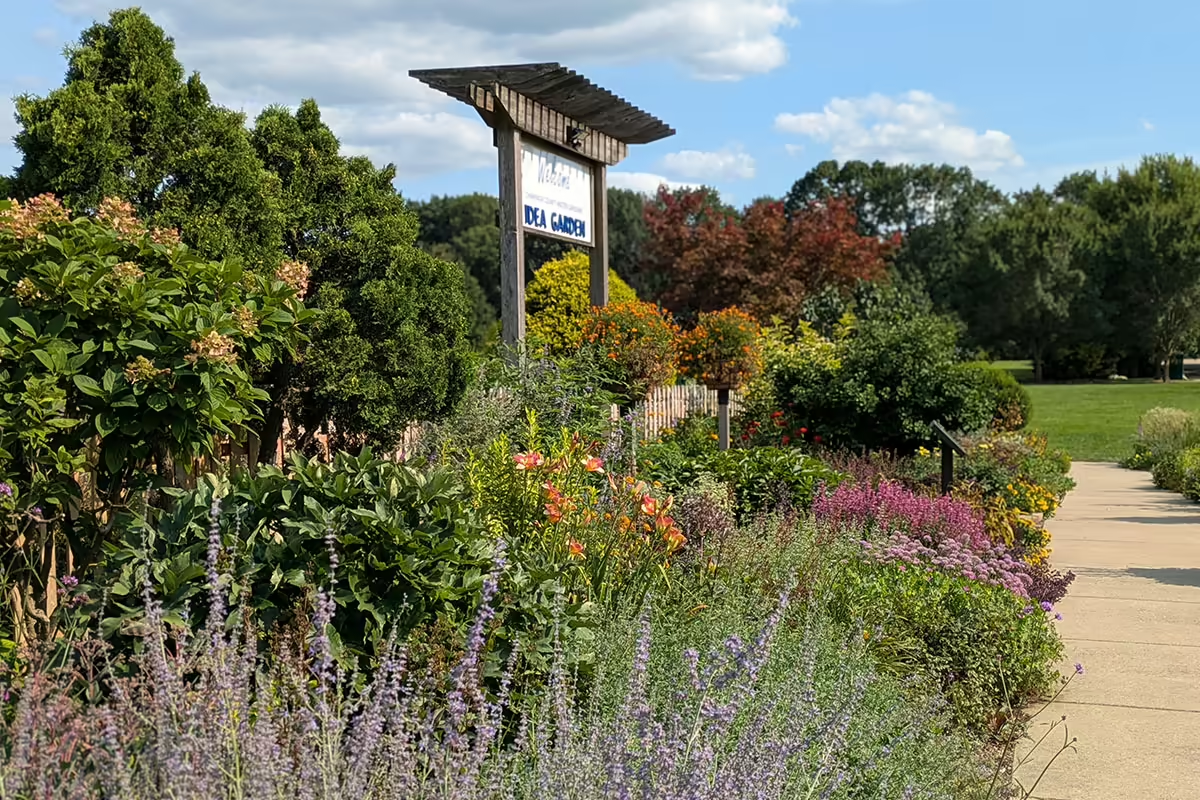
This is the first glimpse most visitors have of the Idea Garden, so plants that are eye-catching from a distance are featured along with many shrubs that have vibrant color, beyond the more common shades of green. The color palette of the West Border is labelled yellow, blue, lavender, and chartreuse but in reality, there aren’t that many plants in nature that are truly blue; so we take the opportunity to playfully extend the palette into the purple and orange ranges. Colors are evident in blossoms as well as foliage.
In gardens this big, a larger number of one kind of plant is needed for an impact, for instance, one geranium won’t make much of an impact, but 3 or 5 or 9 will. Rule of odd numbers—odd numbers of plants look better than even.
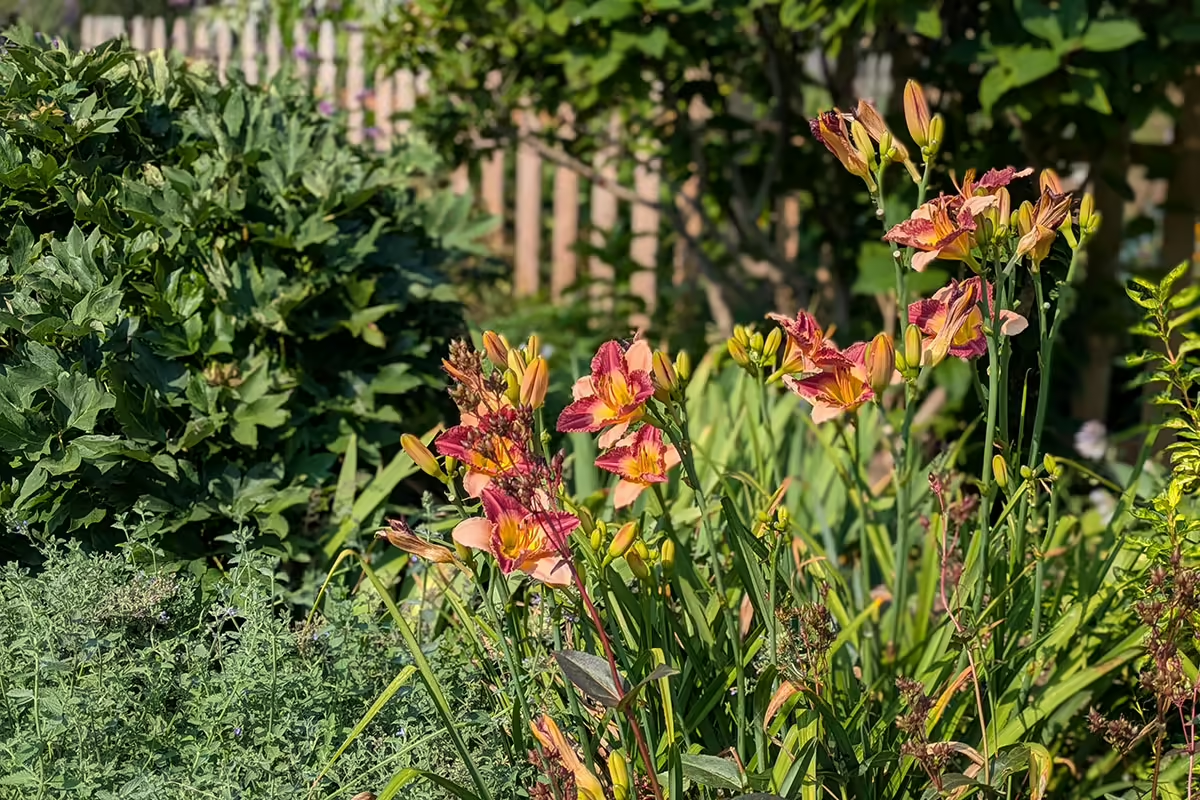
Long-lived and easy-to-care-for perennials are highlighted in the West Border. Peonies and irises, for many of us in the Midwest, give us a nostalgic sense of our childhood. These plants reliably bloom year after year in our unpredictable weather.
Plants of interest:
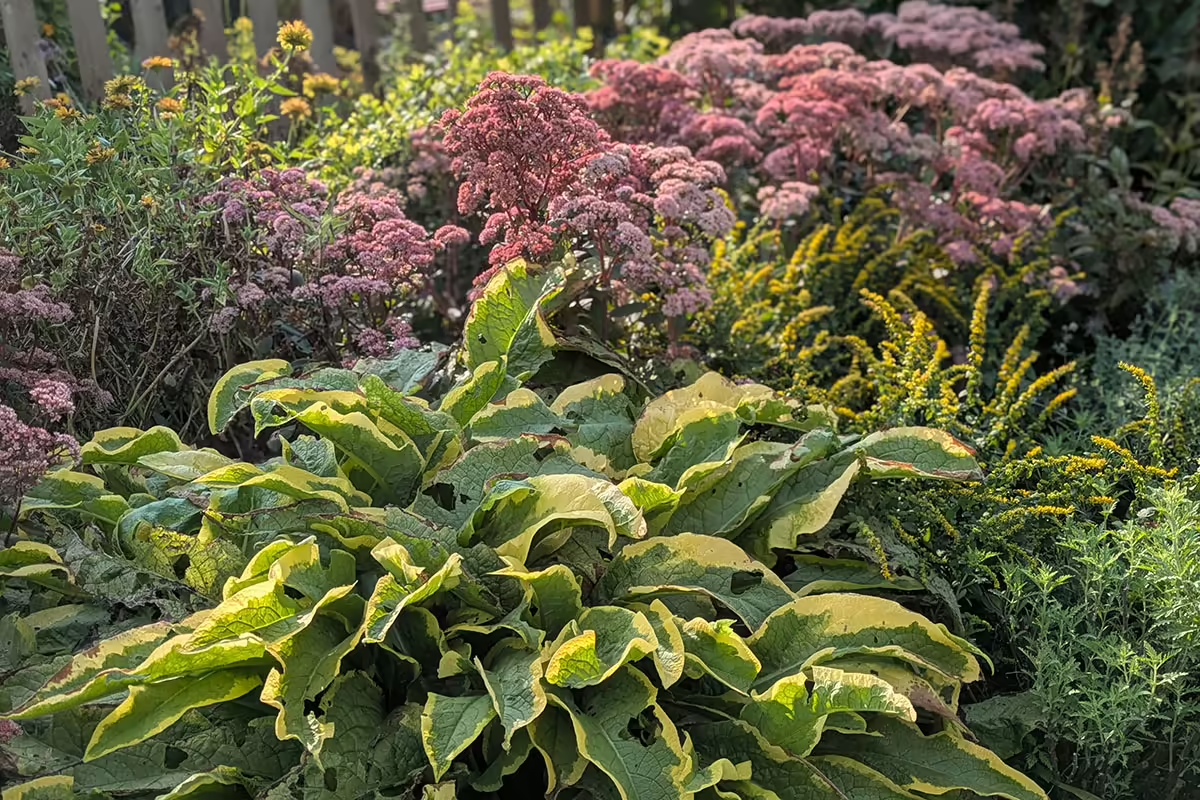
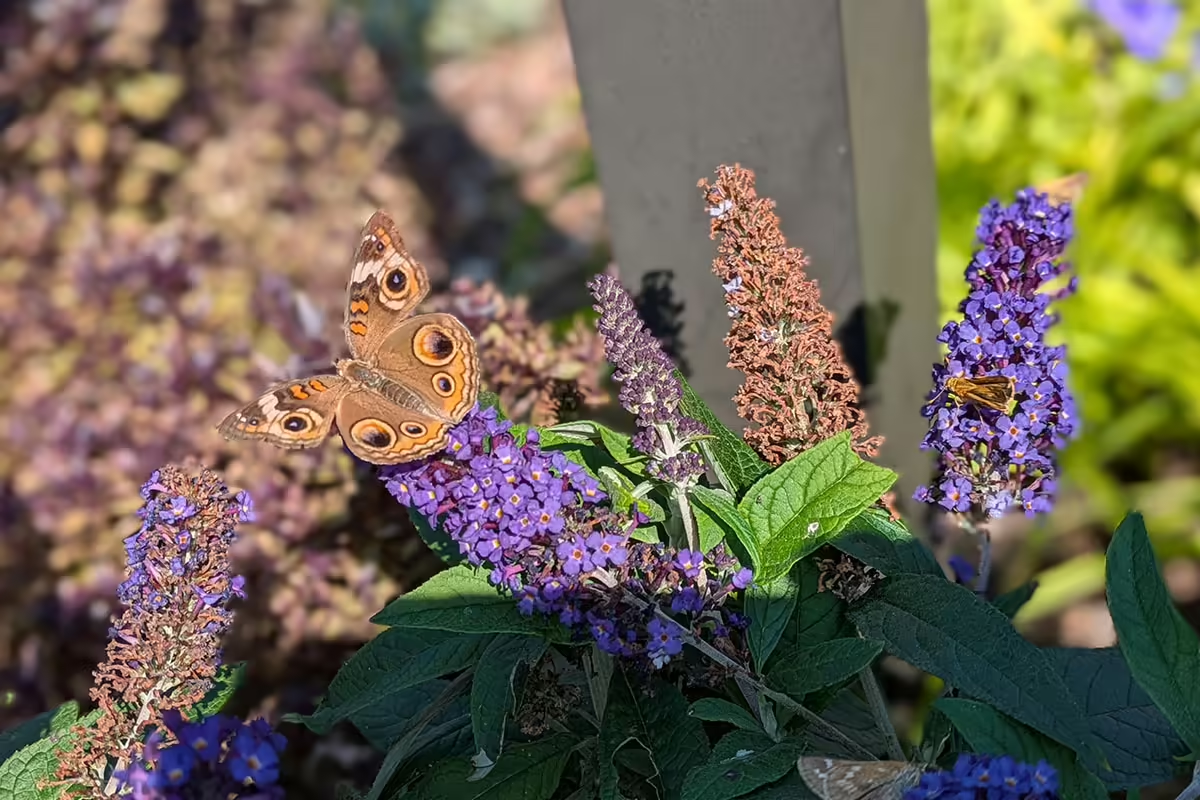
The catmint, salvia, iris, vitex, alliums, and purple-leaved sedums provide a long season of purple. Gaillardia with annual zinnias and calendulas provide a constant supply of a range of yellows. We love to experiment with some new annuals every year, such as cardoons and less commonly seen species, focusing on those with lower water requirements and so more sustainable; in the last several years we have added more grasses and natives, including scuttelaria (skullcap), parthenium (quinine), echinacea paradoxa (yellow coneflower), and monarda bradburiana (bee balm) among others. Several shrubs in the border carry the yellow theme through their foliage. Forsythia, lilac, and buddleia all have yellow variegated foliage that allows them to stand out from their green counterparts. The large native amsonia at the south end provides chartreuse accents. At the north end, we have created a newer dry garden featuring mangave and stonecrop.