AgrAbility strives to help farmers take charge of their health with webinar series
URBANA, Ill. — Experiencing symptoms from chronic pain is a daily occurrence for many. Symptoms such as fatigue, sleeplessness, stress, and fear are often side effects of chronic pain and can be difficult to manage each day. For farmers and farm families, these symptoms can slow progress on and...
Meet the challenge of heavier spring rains with climate series for farmers
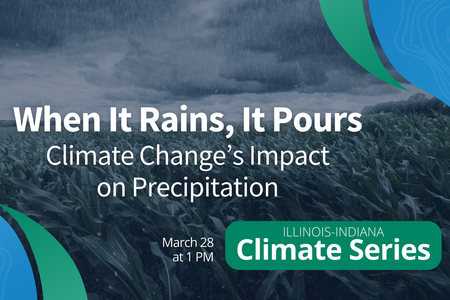
URBANA, Ill. — Weather trends are changing. Be prepared for how it can affect your farming operation with expert updates from University of Illinois and Purdue University. The bi-state climate webinar series brings together university experts and resources from...
Weather a changing climate on the farm now and in the future
URBANA, Ill. — The only thing certain about modern farming is that things are always changing, and today’s weather isn’t your grandparents’ weather. Growing seasons are shifting, and extreme weather events like storms, floods, droughts, and wildfires are becoming more common....
Add strategy to crop production planning at Illinois Extension Crop Management Conference
URBANA, Ill. — Analyzing last year’s statewide crop trends alongside current research helps to strengthen planning for the 2025 crop year. Taking time to reflect at the University of Illinois Extension Crop Management Conference helps agriculturalists develop strategies...
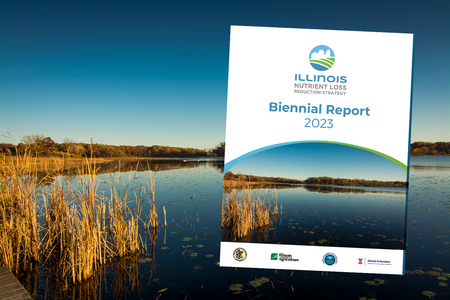
Illinois continues work to improve waterways by reducing nutrient pollution
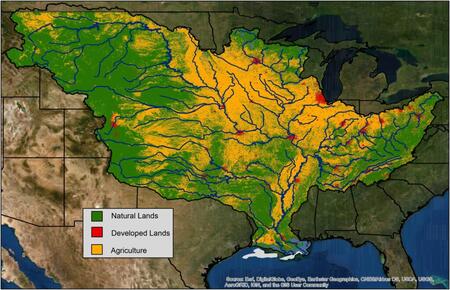
URBANA, Ill. — The loss of nutrients into Illinois’ lakes, streams, and rivers harms water quality here and downstream all the way to the Gulf of Mexico. The Illinois Nutrient Loss Reduction Strategy, NLRS, was established in 2015 and is designed to reduce nutrient pollution in Illinois’...
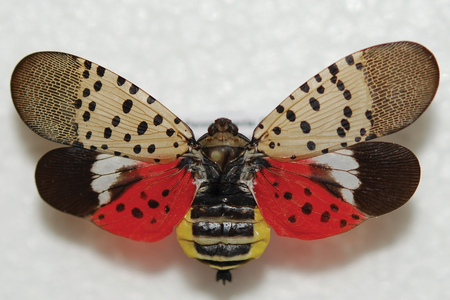
Report spotted lanternflies in Illinois to help slow the spread of invasive pest
URBANA, Ill. — The invasive insect spotted lanternfly has been found in Illinois for the first time. Residents are being warned to watch out for and report sightings of this pest which can damage trees. Experts confirmed a population of the pests in Cook County on September 18 according to a...
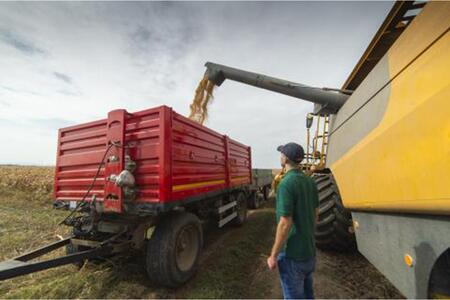
Focus on safety to prevent accidents during busy harvest season
URBANA, Ill. — Harvest season is beginning across the state, and for farmers, this means early mornings, long days, and the potential for exhaustion that can lead to accidents.
University of Illinois Extension Specialist and Department of Agricultural and Biological Engineering Assistant...
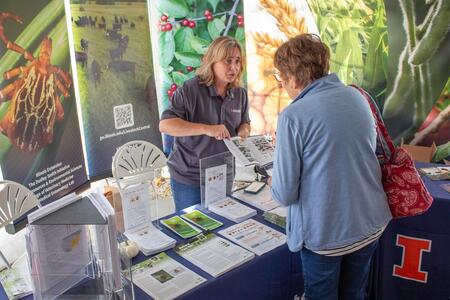
Extension grows agriculture connections at Farm Progress Show
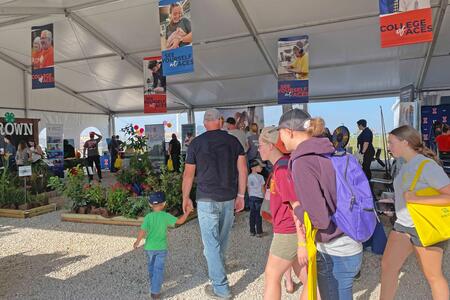
DECATUR, Ill. — Agriculture is not just a job; it’s a way of life for so many, and it’s part of University of Illinois Extension’s mission to help.
The 2023 Farm Progress Show, hosted Aug. 28-30 in Decatur, Ill., attracted...
Field Day event plans to keep beef cattle producers up on trends for their herds
URBANA, Ill. — Beef cattle producers will gain insights and stay up to date on current research from cow/calf patterns to alternative forages and more at the Orr Beef Research Center's Field Day on September 6. The meeting will be held at the John Wood Community College Ag Center located...
Illinois Extension investing in the future of farming across the state
URBANA, Ill. — Helping Illinois farmers grow thriving crops and livestock has always been at the heart of University of Illinois Extension’s mission. Using feedback received from farmers and other agricultural stakeholders through a 2022 survey, Extension is currently...
Orr Agricultural Center’s field day continues U of I Agronomy Days events
URBANA, Ill. — As summer 2023 marches on, so do the events of Agronomy Days at the University of Illinois Urbana-Champaign, a season-long series providing practical, research-based information that can improve yield, input management...
Build knowledge of environment, natural resources with summer series
URBANA, Ill. — Summertime is the perfect time for adventure, exploration, and education on nature-related topics. The Everyday Environment series from University of Illinois Extension explores natural resources and...
Illinois AgrAbility ready to serve farmers across the state
URBANA, Ill. — Farmers have always been the backbone of America. The state of Illinois includes 72,650 farms that cumulatively harvest over 27 million acres and are operated by 118,000 producers. The work involved is not only the farmer’s livelihood but rather their way of life.
...
Cardoso named to board of the American Dairy Science Association
URBANA, Ill. — The American Dairy Science Association (ADSA) has announced new board members to advance its mission to sustain and grow the global dairy industry. Appointed to a three-year term as production division director is ...
NCCOS forecasts smaller than average 'dead zone' for Gulf of Mexico in summer 2023
National Centers for Coastal Ocean Science scientists are forecasting this summer’s Gulf of Mexico hypoxic zone or “dead zone” — an area of low to no oxygen that can kill fish and other marine life — to be approximately 4,115 square miles, substantially below the 36-year average measured the...
Asking for help just got easier with no-cost mental health access for agricultural community
URBANA, Ill. — Farming is stressful, and the Illinois agriculture community faces unique challenges every day that take a toll on mental health. A new program from University of Illinois Extension gives farmers and their families access to professional mental health care for free.
The...
Farm stressors affect mental health of adults and adolescent children
URBANA, Ill. — Agriculture is a stressful occupation, and farmers face substantial mental health challenges. Research indicates they often experience higher levels of anxiety and depression compared to the general population, but less is known about the effects on their...