Title
Big Idea:
Merging brightly colored annuals, perennials, and shrubs has an uplifting effect, making you feel cheerful and energized.
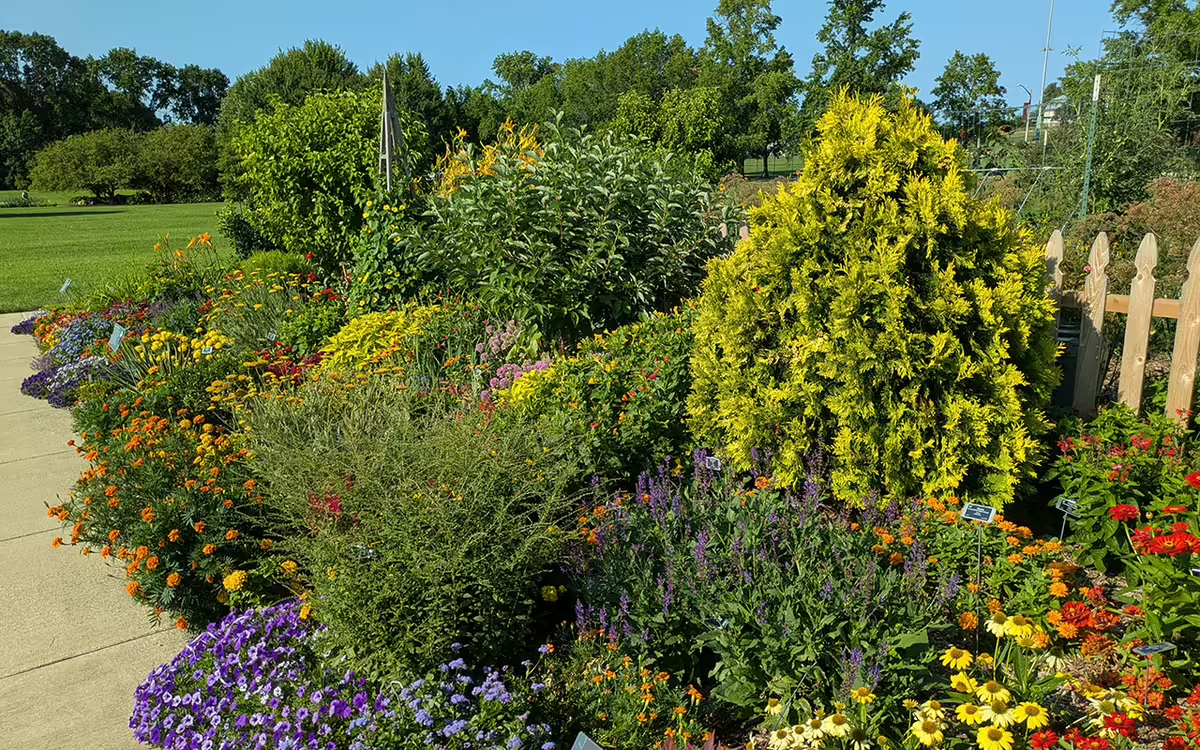
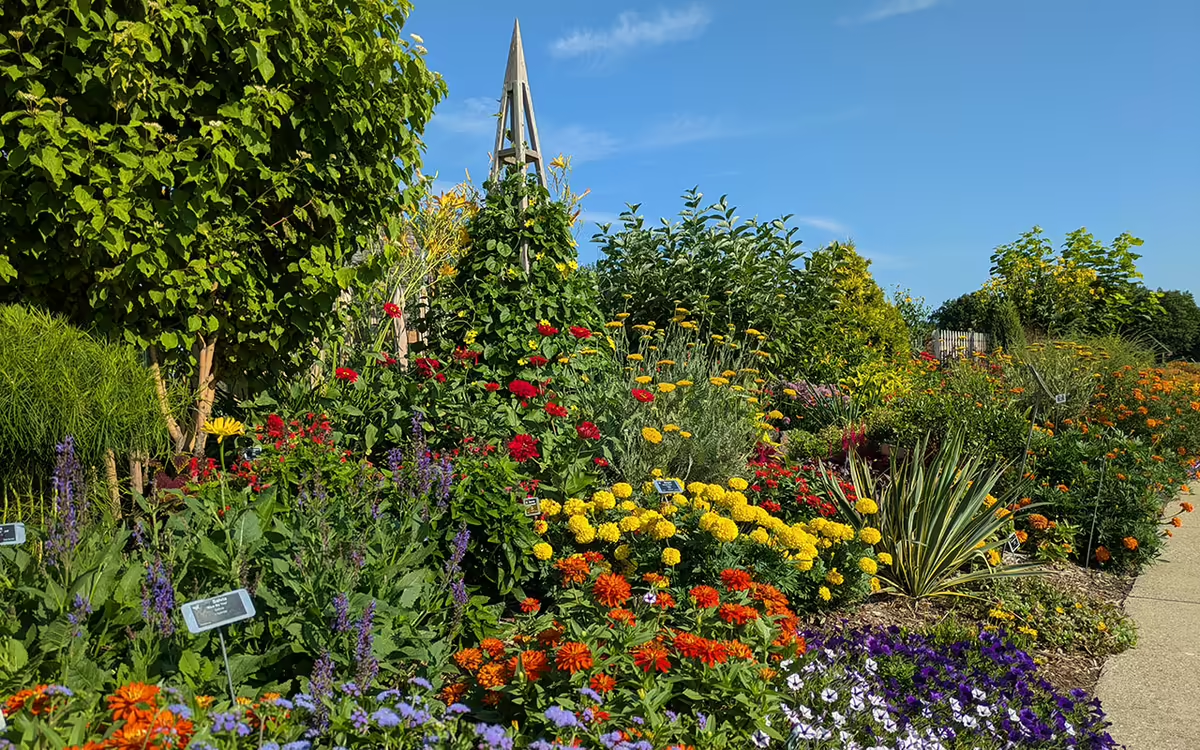
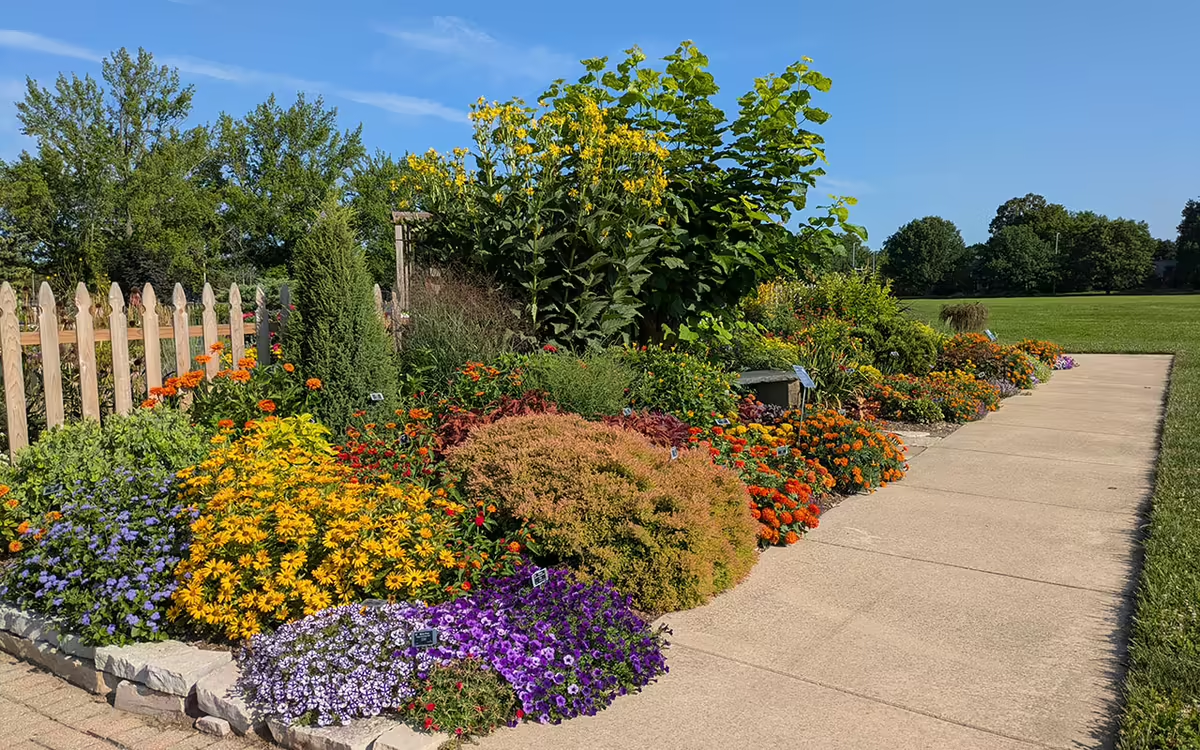
The East Border is the location for bright, intense, hot colors: red, gold, orange, and chartreuse, with spots of purple to “cool down” the palette. Really vibrant; this garden intentionally uses large numbers of colorful, long-blooming annuals. The way the colors of the different plants blend together is reminiscent of Midwest sunsets – very apt given that you are facing west as you look at the border.
The design implements curving, overlapping lines and groupings seen in nature. Remember, nothing is planted in straight rows except corn and beans!
Plants of interest:
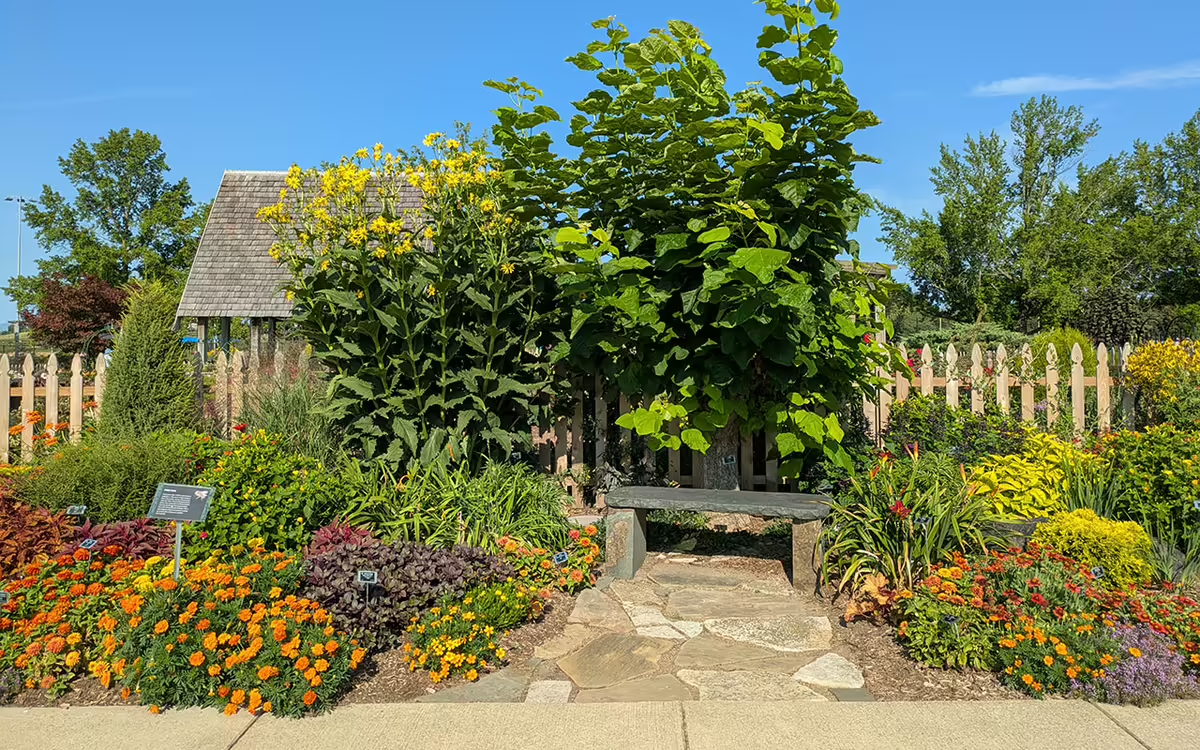
- The Golden Southern Catalpa tree is the centerpiece of the East Border garden, always attracting attention from garden visitors. It was planted in 1997. The Catalpa tree’s “pollarded” (pruned) form produces large, bright chartreuse leaves and keeps the height of the tree to about 10-15 feet. The mature height of a Southern Catalpa is typically 30-40 feet; pollarding the East Border Catalpa provides a unique educational opportunity to the public on the effect of the procedure. The pruning is done in early spring before the tree starts to leaf out—the smaller branches are cut back to the large stump, and then the new branches are cut back at least once during the summer. What does it add to the design? It has a giant leaf, it has height, it has the chartreuse color.
- Solidago ‘Fireworks’ goldenrod has cascading yellow blooms in late summer. It can be pinched back before July 1 like mums and asters to keep it from getting leggy and promote more blooms.
- ‘Bright Edge’ Yucca (Yucca filamentosa)– wonderful variegated foliage; tough, hot dry conditions; although in the same family as succulents, this yucca is a perennial here in Illinois.
- Hypericum ‘Albury Purple’ or St. John’s Wort, is wonderful in combination with lots of colors—orange, purple, yellow, burgundy. Coral bells ‘Rio’ (Heuchera hybrid) is lovely throughout the season: new leaves are peachy amber and gradually fade to tan and then yellowish amber. Unlike some coral bells, it can handle full sun exposure.
- Heliopsis ‘Sunstruck’ continues to turn heads during the Garden Walk, with its striking variegated, almost spotted, white and green pointed leaves.
- False indigo Baptisia ‘Sparkling Sapphires’ has bright purple flowers which peek out among its rounded, bushy form in late spring.
- The weigela 'Czechmark Trilogy' always draws the eyes in spring with its multicolored flowers in white, pink, and red.
- Gold-toned shrubs were added along the fence in spring 2022: Arborvitae ‘Sunkist’ adds some height to the south side of the East Border and provides winter interest. Juniperus ‘Gold Cone’ anchors the north side, south of the catalpa. Ninebark ‘Lemon Candy’ (Physocarpus opulifolius) is deciduous but adds unique color in the summer months. However, the established "Fire Chief" arbor vitae on opposite sides of the central path that divides the Border's north and south sides are always crowd pleasers, with their lush globe-style growth in warm colors of pale green, gold and pink. The team made the best of some unfortunate duck nesting damage on the southern Fire Chief, which now takes on a bit of a heart shape.
Annuals: Each year we try different annuals in East Border to provide the vibrancy that is the hallmark of the border. This year, we designed with drought tolerant varieties in mind. Included are several varieties of marigolds, zinnias, petunias, portulaca and coleus. Annuals that visitors seem to like are Brazilian Joyweed 'Purple Prince’ Alternanthera, the cheery lantana ‘Lucious Royal Red Zone’, the 'Rockin' Deep Purple' salvia and the elegant form of the Gomphrena ‘Strawberry Fields’ whose delectable flowers keep their form and stay a frosty pink as they dry in the fall.
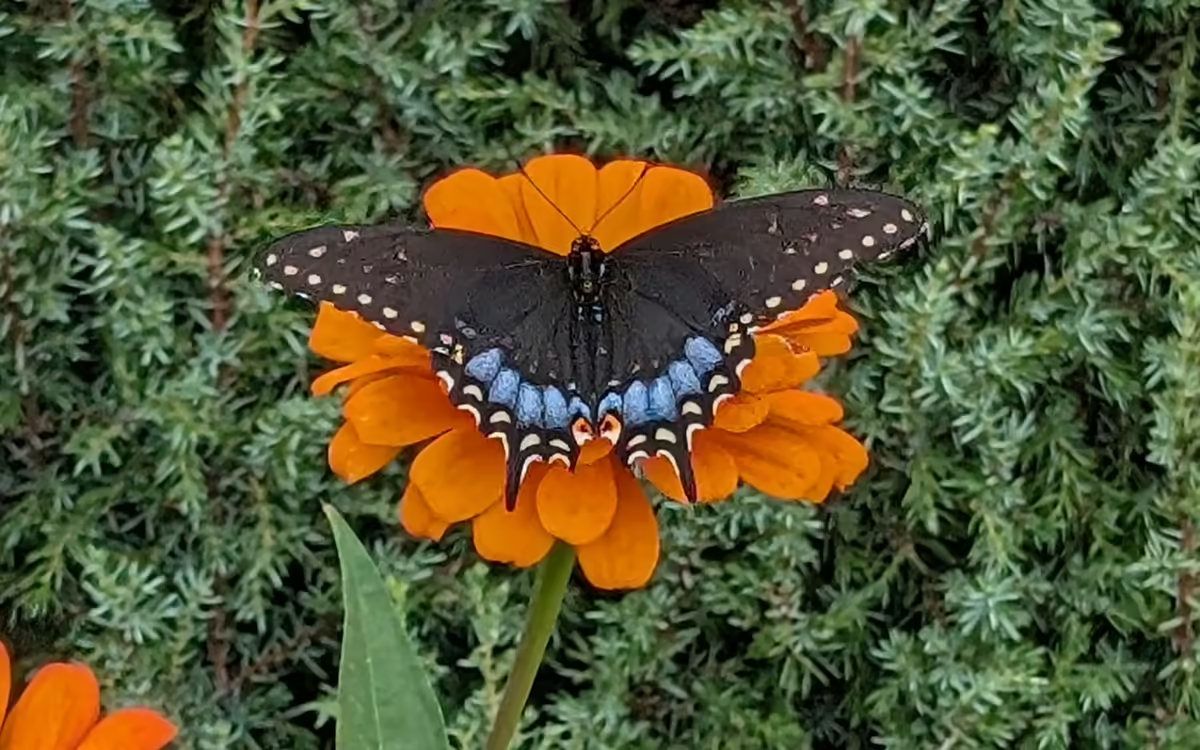
Pollinators: Most of the plants – both annuals and perennials –attract pollinators (primarily bees, moths, and butterflies...and also hummingbirds) throughout the summer. Perennial pollinator favorites include: ‘Gumball grape’ (purple) monarda; yellow coneflower Echinacea ‘Sombrero Yellow’ and fall-blooming New England asters. The 'Blue By You' and 'Bumbleblue' salvia can be sheared back after blossoms fade for repeat blooming. In 2025, we enjoyed 3 blooms of the 'Blue By You' salvia. Even our annuals are pollinator magnets! The Texas Sage salvia ‘Forest Fire’ and ‘Rockin’ Deep Purple’ which have been mainstays of the garden since 2022 are consistent bee and butterfly favorites. Look for Monarch butterflies in late August through September stopping at 'Monarch Magic' ageratum for a sip of nectar before migrating south. Check out the educational signs about pollinators to learn more about how we support and encourage pollinators in the East Border.
Natives: We have several tall native plants that have been part of the garden for years: our cup plant (Silphium perfoliatum), Rudbeckia laciniata ‘cutleaf coneflower’ and grayhead coneflower(Ratibida pinnata) are all native to the Midwest, and once they’ve bloomed and died down for the season, their seed heads are left to feed the native bird species and not cut down until spring.
New Additions: In efforts to promote the IDEA Garden’s mission of sustainability, several new and colorful perennials area added each year. In 2026, we added 'Chartruese on the Loose' catmint, 'Bumbleblue' salvia, and 'Rock N Round Bright Idea' sedum. All of them are drought-tolerant species.