Title
Big Idea:
You don’t have to start from scratch with garden design. There are “recipes” you can follow to create beautiful, low-maintenance, pollinator gardens.
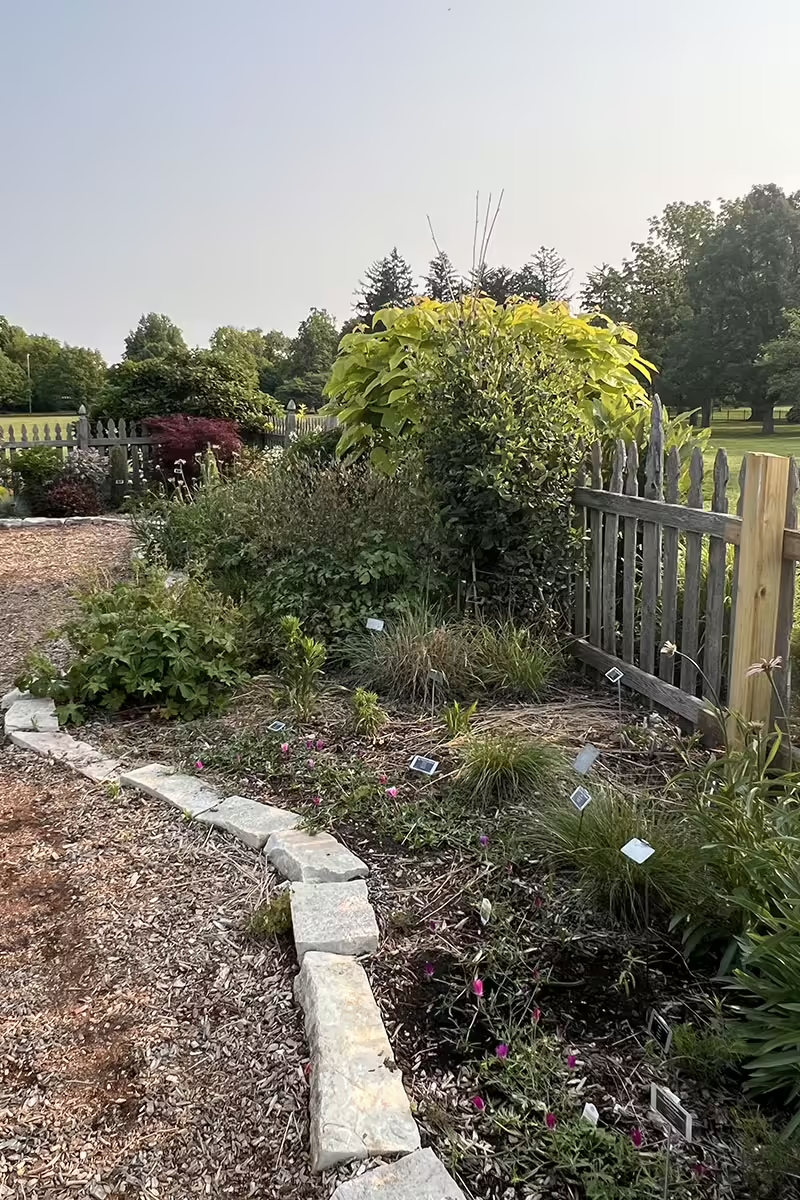
This section was established in the Spring of 2023. The Idea Garden committee selected this theme after considering suggestions from master gardeners, gardening trends, and inquiries to the MG hotline.
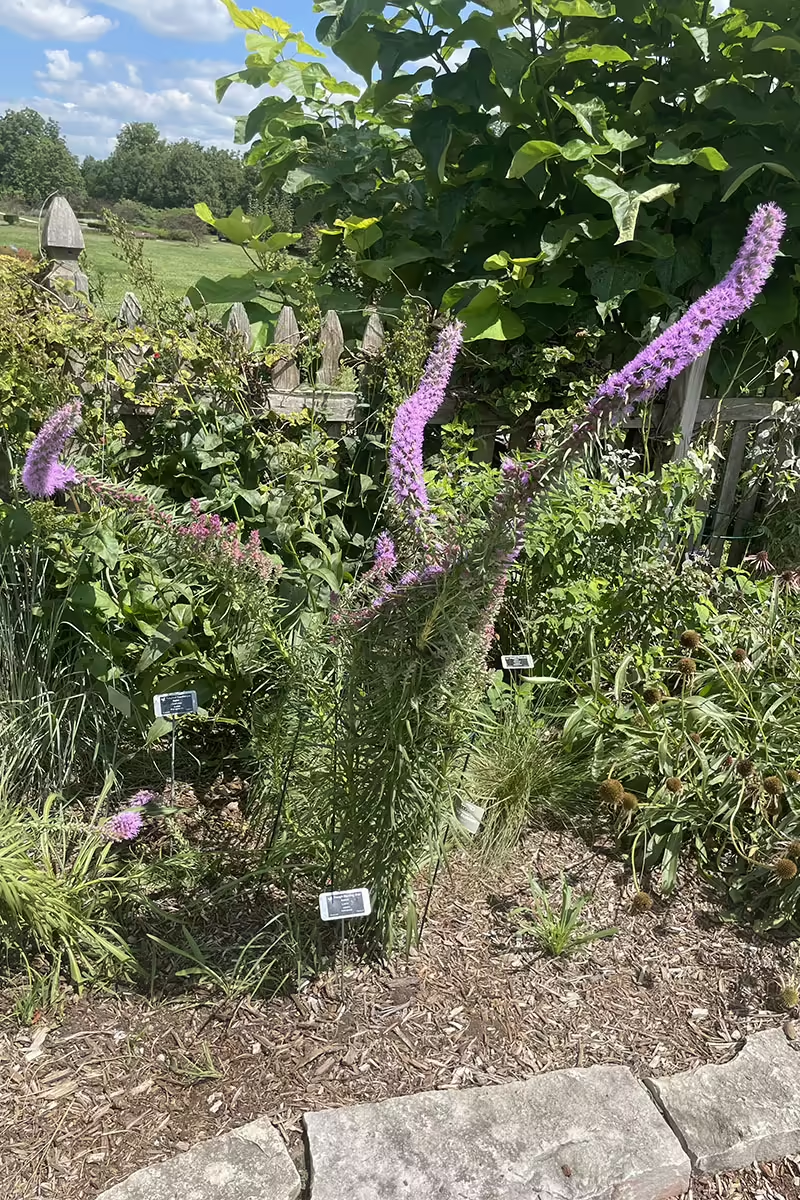
The design for this area is based on the Full Sun Pollinator Garden “recipe” published by Illinois-Indiana Sea Grant. This “recipe” provides a list of Illinois native plants for attractive pollinator gardens and a suggested design or plan for how to arrange and space the plants. This recipe is readily available to the public online or as a printed brochure. (Sign for this section includes a QR code to connect your phone to the online recipe. Printed copies of the brochure are available at the Extension office) This allows the public to “Plant Along with Us” and have access to the same plan.
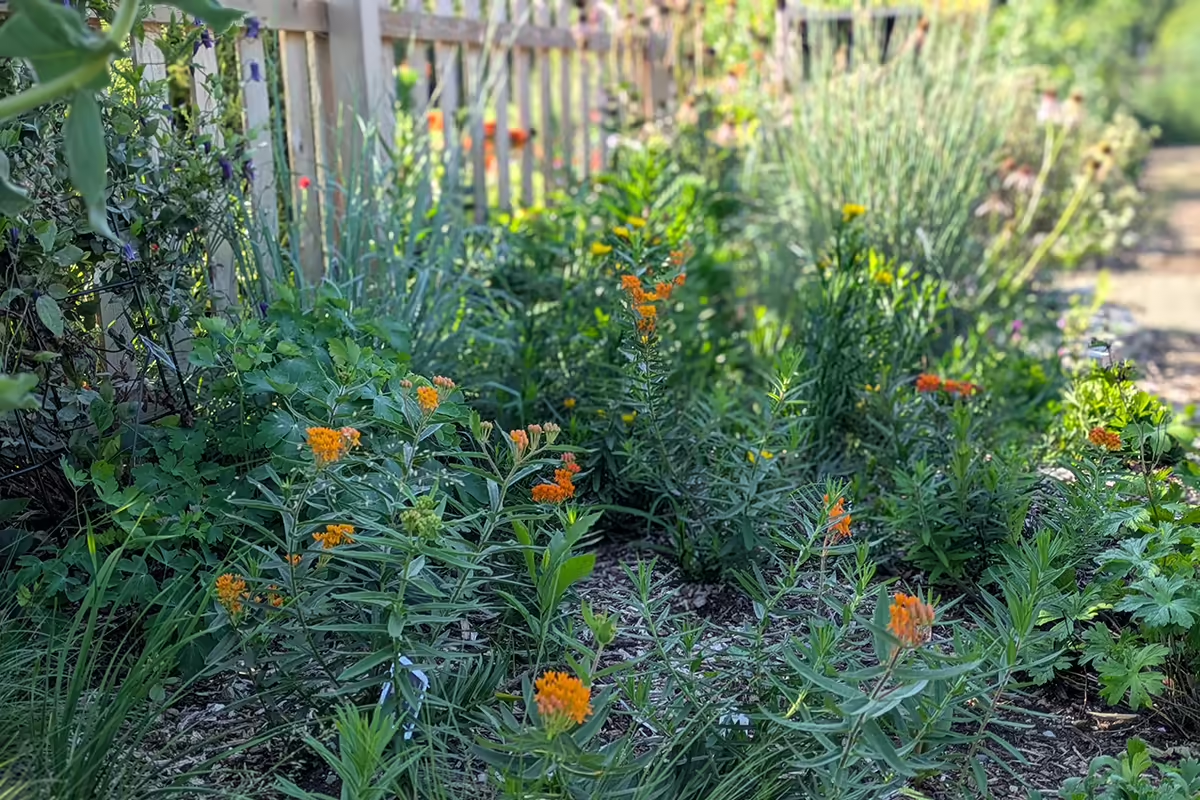
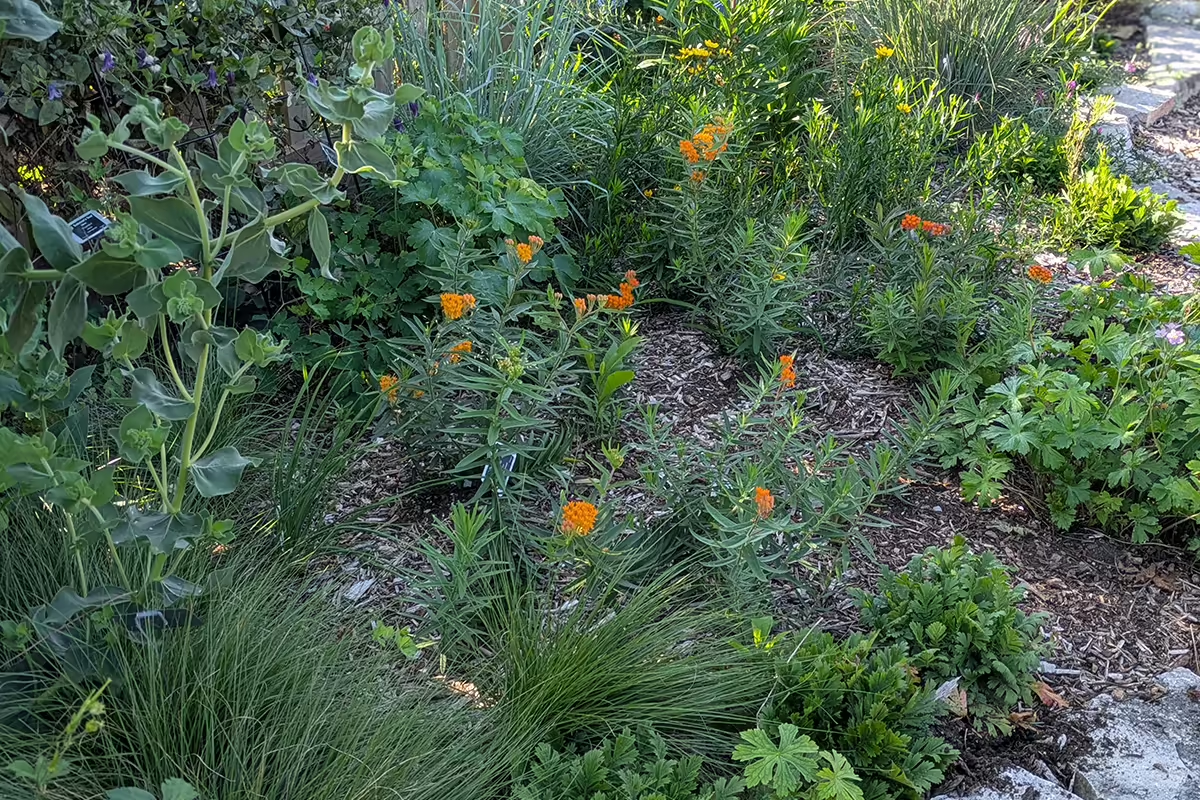
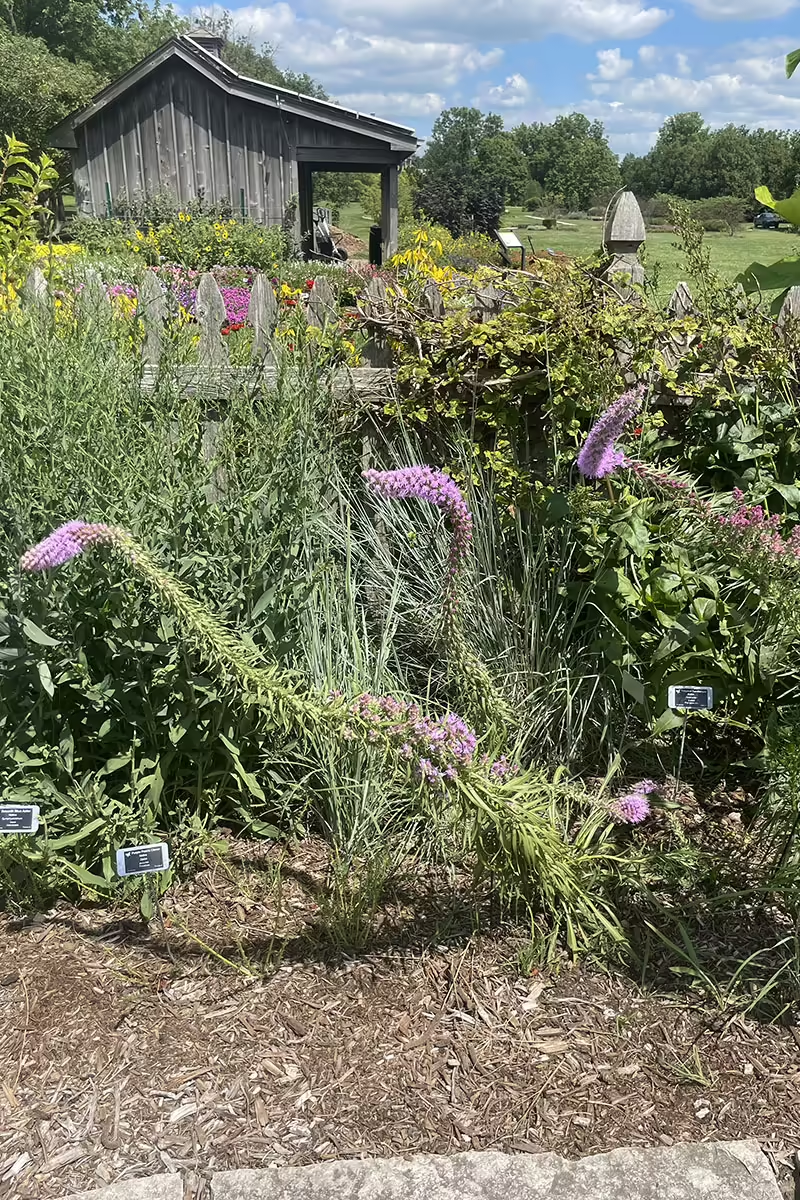
We are striving for an attractive design that is easy to maintain, has a reasonable cost, and is something that homeowners could adopt in their own yards. We have primarily selected native plants as scripted in the brochure. These include Pale Purple Coneflower, Smooth Blue Aster, Orange Butterfly Weed, and Foxglove Beardtongue. Alongside native flowering plants are two types of native grasses, Little Bluestem and Prairie Dropseed.
As with every good recipe, it is perfected by adjusting the ingredients over time. Since establishing the section, some spring-blooming and ephemeral native plants have been added, such as native columbine, native geranium, Virginia bluebells, and Shooting Star. These species have provided extra color early in the season and provide food for pollinators such as bees, moths, and butterflies. The ephemerals (Virginia Bluebell and Shooting Star) actively grow through spring, flower briefly, and go dormant by summer – the leaves die back, and plants virtually disappear! Come back in late April to see them if not visible today.
In Spring 2026, part of the section required some repair – we discovered that a piece of rubber mat was buried in part of the garden and potentially interfered with the success of the native plants. In March and April, an area of the section was dug up, and the mat and other debris were removed. In the process, some plants also needed to be removed or relocated. Replacement plants were purchased and added for 2026 season. Visitors will notice the smaller plants in the area of these repairs. The expectation is that in a few years, these will fill in.