Energy-Efficient Homes
Energy-efficient homes need less energy to perform the same work, lowering monthly utility bills. Energy-efficient practices make homes more comfortable by reducing drafts, temperature swings, and overworked heating or cooling systems. Over time, this can extend the life of appliances and increase home value.
Automate Heating and Cooling
Smart thermostats are Wi–Fi–enabled devices that help you automatically control your home’s heating and cooling, making it easier to save energy and lower utility bills year-round. A programmable thermostat can save up to 15% of energy costs.
These systems learn your schedule and preferences, automatically adjust temperatures when you’re sleeping or away, and can be controlled remotely from a smartphone or tablet, so you’re not wasting energy when it’s not needed.
Many Illinois utilities offer rebates or incentives for qualifying smart thermostats, making them an affordable way to increase comfort and manage energy use.
Appliances and Electronics
Two factors affect appliance energy use: using modern, energy-efficient appliances and changing how you use devices.
One easy way to save energy is to identify and unplug energy vampires. These are appliances with built-in lights or displays that draw power even when turned off. Unplug things like phone charges, toasters, electric toothbrushes, etc.
Plug multiple devices, like computer setups and home entertainment systems, into a power strip so you can turn off power to inactive devices. Smart power strips can do this automatically. Power strips can also help protect your equipment from power surges.
Appliances
Homeowners tend to buy an appliance and keep it running as long as possible. If your refrigerator, washer, dryer, or heat pump is more than 10 years old, it may be worth replacing rather than repairing.
Look for the ENERGY STAR label when buying new. ENERGY STAR provides energy use information on energy-efficient products. Compare this information to your current appliances’ energy use to see if an upgrade is worth the cost. ENERGY STAR-certified appliances use between 10% and 50% less energy than their standard counterparts.
Average life span of appliances:
- Washing machine: 5-7 years
- Microwave: 6 years
- Refrigerator, Dishwasher: 7 years
- Dryer: 7-12 years
- Furnace: 15 years
- Air conditioner: 12-17+ years
Understand how much electricity your appliances use
Knowing how much electricity an appliance uses and how much the electricity costs can help you decide whether to invest in a more energy-efficient appliance or make other cost-saving decisions.
Electricity is measured in units of power called watts. One watt is a joule of energy used or produced per second. The power consumption of small devices is usually measured in watts, while that of larger devices is measured in kilowatts; 1 kW equals 1,000 watts.
1. Check the data plate. Appliances usually have data plates on the back side or inside the door. The plate tells you how many amps, watts, and volts are needed to power the appliance.
2. Review the Energy Guide label. The Energy Guide label, a yellow sticker or tag found on new products, provides an estimate of the average energy consumption and cost to operate the appliance. The Federal Trade Commission requires the label, and the dollar amount is the estimated yearly operating cost based on the national average cost of electricity.
3. Use a monitor or meter. Wattage meters are affordable, easy-to-use tools that measure the electricity use of any device that runs on 120 volts. Plug the monitor into the electrical outlet, and then plug the device into the monitor. The monitor will display how many watts the device uses. If you want to know how many kilowatt-hours, kWh, of electricity a device uses over a length of time, leave everything set up and read the display later.
4. Install a whole-house system. Whole-house energy monitoring systems provide more detailed data on your home's energy use, as well as the ability to measure the energy use of 240-volt appliances. The features of these systems vary, and the cost and complexity depend on the number of circuits you want to monitor, how detailed the feedback is, and the type of features available.
The monitors are often installed directly into the main breaker panel of the home, and some require an electrician to install. Some monitors must be connected to your home's wireless network, and the data is viewable on a computer or smartphone. Others come with a dedicated display. This type of monitoring system helps you understand where and when you use the most energy, allowing you to develop strategies to reduce your energy use and costs.
Electronics
Computers: Keep your computer in sleep mode or turn it off when not in use. The screen saver mode still uses energy. The less time a PC is on, the longer it will last. When replacing a home computer, consider purchasing a laptop, which is more energy efficient than a desktop computer.
TVs: New energy-star rated TVs are, on average, 27% more energy efficient than their predecessors.
In the Kitchen
Cooking habits and energy-efficient appliances impact energy use in your kitchen. Replacing old, inefficient appliances and making simple changes can add up to big savings. Explore more kitchen energy-saving tips from the Energy Education Council.
Refrigerators
- Keep your refrigerator full. The more items in your fridge, the less energy it takes to keep it cold.
- Use the Flip your Fridge savings calculator to see how much energy your old refrigerator is costing you.
Ovens
- If you have a convection setting, use it. The convection setting uses up to 20% less energy than the bake setting.
- Induction cooktops are 12% more efficient at heating food than a smooth-top electric cooktop or range.
- Don’t peek; opening the oven door can lower the internal temperature as much as 25%
- Turn the oven or stove burners off a few minutes before your food is ready.
- Start a self-cleaning oven immediately after you’ve used it. This reduces the time to reheat it.
- Match the size of your pans to the size of your burners, and cover pans to prevent heat loss.
- For electric stovetops, use copper pans, which get hot faster.
- Use ceramic or glass pots and pans for baking. They allow you to lower the oven temperature by 25°F.
Cookware
- Match the size of your pans to the size of your burners, and cover pans to prevent heat loss.
- For electric stovetops, use copper pans, which get hot faster.
- Use ceramic or glass pots and pans for baking. They allow you to lower the oven temperature by 25°F.
In the Laundry Room
What appliances in your home use the most energy? After HVAC systems, a hot water heater costs the most to run. Nearly 20% of your heating bill comes from the water heater. Washers and dryers rank third in combined energy use.
- Lower your water heater temperature to save money and reduce the risk of scalding burns.
- Some water heaters are factory-set to 140°F, but most households only need 120°F.
- Wear clothes more than once between laundering.
Washing Machines
- ENERGY STAR-certified washers use about 25% less energy and 33% less water than regular washers.
- Select the right amount of water for the load and wait to do laundry until you have a full load to conserve water.
- Use cold or warm water instead of hot. Many laundry detergents are now designed to tackle stains in cold water.
Dryer
- ENERGY STAR dryers use 20% less energy than conventional models.
- Put similar items together since lighter-weight clothes take less time to dry. Towels and heavier cottons take longer.
- Use dryer balls, which help separate clothes and get more air to them, cutting drying time.
- Use lower temperature settings. Even if the dryer runs longer, it will use less energy and be less likely to over-dry clothes.
- Use the moisture sensor option on your dryer if it has one.
- Clean the lint out between loads and scrub the filter once a month to remove buildup.
Lighting
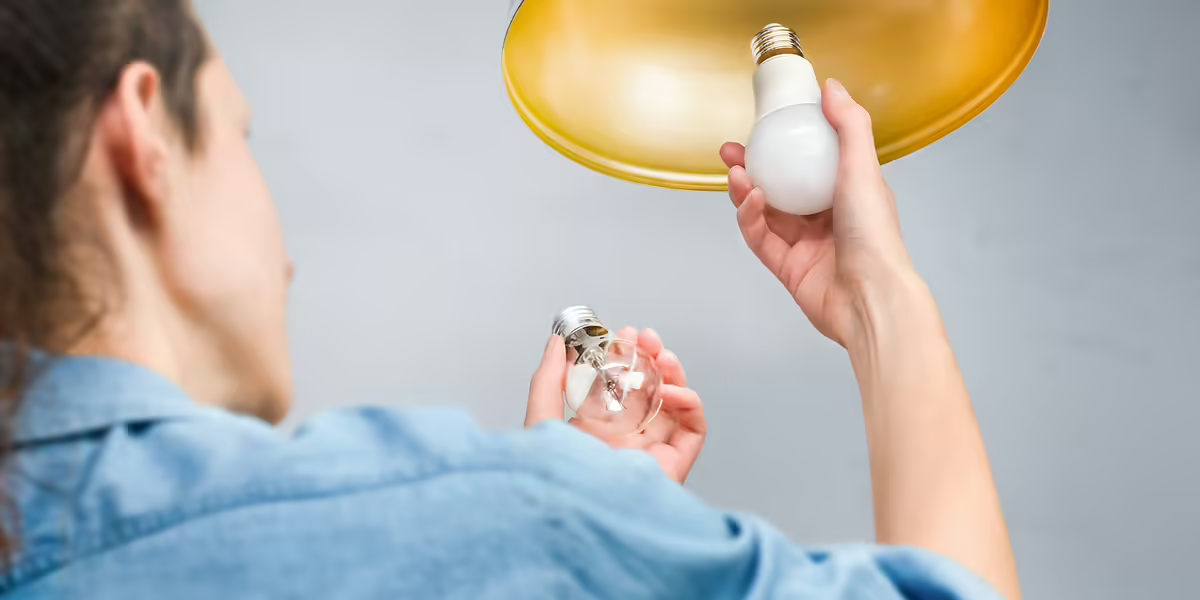
Lighting makes up a small but easy-to-control share of home energy use. Replacing just a few high-use bulbs with efficient options, like LED bulbs, can save households around $75 per year, with even greater savings when more fixtures are upgraded.
LEDs account for the majority of residential lighting, while CFLs and halogens make up a much smaller share, according to National Electrical Manufacturers Association data. Common bulb types include:
- LED: Light-Emitting Diodes
- CFL: Compact Fluorescent Lamps, a legacy technology.
- Halogen incandescent bulbs: The least efficient option still available.
What makes LEDs the best home light?
LED light bulbs work when an electrical current passes through a microchip, illuminating tiny light sources called LEDs, which produce visible light. This process is far more efficient than heating a filament, as older bulbs do.
LEDs help reduce energy costs while also benefiting the environment. According to the U.S. Department of Energy, widespread LED use is expected to save tens of billions of dollars in energy costs nationwide and significantly reduce electricity demand.
Benefits of LED lighting:
- LEDs use 75% to 90% less energy than traditional incandescent bulbs.
- They stay cooler to the touch, reducing burn and fire risks.
- Many LEDs are rated to last 15 to 25 years under typical household use.
- Over their lifetime, an LED bulb can save about $70 to $80 in electricity costs compared to incandescent lighting.
How LEDs compare to other bulb types
Compact Fluorescent Lamps, CFLs
CFLs were an early energy-efficient alternative to incandescent bulbs and use less electricity. However, they contain a small amount of mercury, which means they should not be thrown in the trash and must be disposed of properly. Because LEDs are more efficient, longer-lasting, and safer, CFLs are now considered a transitional or legacy option.
Halogen incandescent bulbs
Halogen bulbs use a filament surrounded by gas to improve efficiency compared to older incandescent bulbs. While they meet minimum federal efficiency standards, they are not as efficient as LEDs. Halogen bulbs operate at very high temperatures, which increases the risk of burns or fire if the bulb is touched or comes into contact with flammable materials.
Why incandescent bulbs fell out of favor
Traditional incandescent bulbs produce light by heating a wire filament until it glows. While they were inexpensive and widely available, most of the energy they used was wasted as heat rather than light. These bulbs also had very short lifespans, typically lasting about one year, and their high operating temperatures increased burn and fire risks. Because of their inefficiency and higher long-term costs, incandescent bulbs have largely been replaced by modern, energy-efficient lighting options.
Home Roofs
About $40 billion is spent each year in the U.S. on cooling homes, accounting for roughly one-sixth of all electricity generated, according to ENERGY STAR. The material you choose for your roof can play an important role in reducing that cost. The type of roofing materials best suited for your home depends on climate, home design, location, and overall energy efficiency.
Light Reflection
ENERGY STAR–certified roof products reflect more of the sun’s rays. These roofs can lower roof surface temperatures by up to 50°F, helping keep homes cooler.
Choose a light color. Light-colored roofing materials can be 50°F to 60°F cooler than conventional dark-colored roofs under summer conditions.
Roofing Materials
Treat slate and clay or ceramic tiles with reflective coatings when possible. Clay tiles are not suitable everywhere, as they may crack in severe weather such as hailstorms.
Consider metal roofing. Although metal can feel hot to the touch in summer, metal roofs can be manufactured in light colors or treated with reflective coatings that help reduce heat absorption.
Insulation
Add more buffer. A poorly insulated roof can increase cooling needs in summer and heating needs in winter. Even homes with insulation may not have enough, especially in older buildings. Learn more about insulation.