Lake County welcomes first class of Master Naturalists
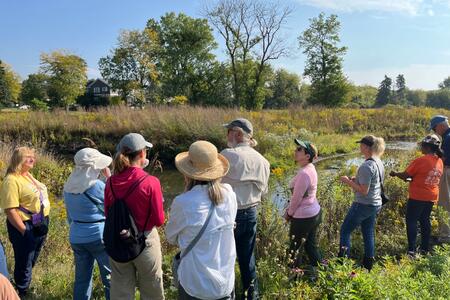
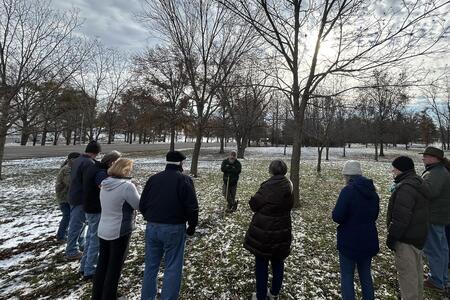
GRAYSLAKE, Ill. — University of Illinois Extension officially launched the Master Naturalist program in Lake County in 2025, with 24 individuals completing the classroom portion of their training in the fall. Over the course of 12 weeks, trainees...
Where’d you get that frog? Illinois study traces illicit online amphibian trade
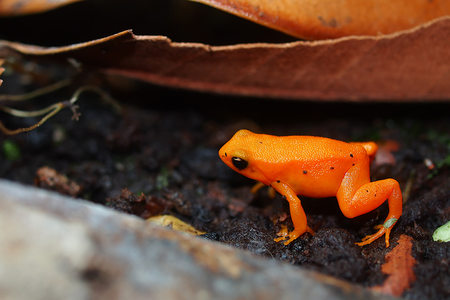
URBANA, Ill. — Keeping amphibians as pets offers hobbyists an opportunity to connect with the non-human world, often increasing interest in conserving animals in the wild. But there’s a dark side to the amphibian trade, according to a...
Maple syrup workshop continues sweet tradition with tenth-annual event
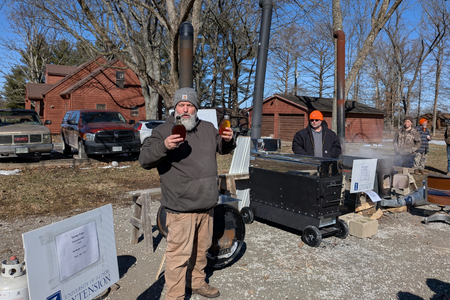
SIMPSON, Ill. — Each February, local participants brave the cold to learn more about maple syrup production at an annual workshop at Dixon Springs Ag Center. The event is a fun day for the entire family, with a 4-H fundraiser pancake breakfast to start the morning and hands-on activities for...
Extension foresters protect trees, empower landowners
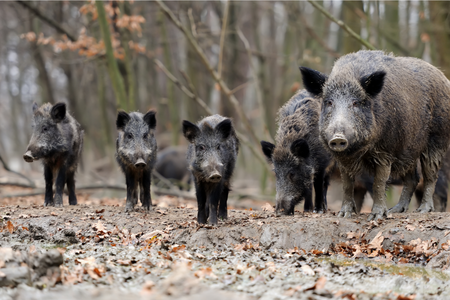
URBANA, Ill. — As the saying goes, the hope is that trees will “bloom where they’re planted.” Still, sometimes even these plant powerhouses need help overcoming challenges like invasive species, urban...
Dig into spring gardening with confidence at local gardening programs
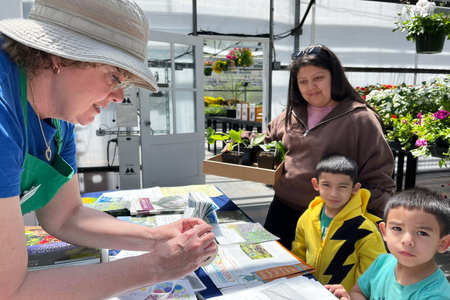
URBANA, Ill. — Gardening is an ever-evolving journey, and each growing season brings fresh experiences and strategies for both new and veteran gardeners. This spring, learn more gardening techniques and grow...
Tri-State Forest Stewardship Conference returns to support Midwest landowners
URBANA, Ill. — The Tri-State Forest Stewardship Conference, one of the largest gatherings for forest landowners in the Midwest, returns this spring. For more than 25 years, the conference has provided resources to forest landowners in the Illinois, Iowa, and Wisconsin area to better manage their...
Illinois Extension Academy cohort poised to cultivate collaboration and impact
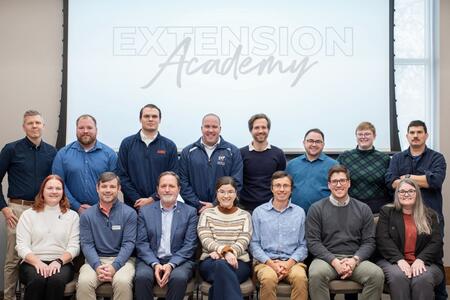
URBANA, Ill. — Collaboration and shared expertise strengthen any project, especially when they help deliver the University of Illinois Urbana-Champaign’s latest research and best practices to communities across Illinois and beyond.With the start of the...
Illinois Extension’s strategic plan shows significant progress in year one
URBANA, Ill. — University of Illinois Extension is driving statewide impact through its comprehensive 10-year strategic plan, focused on the key priorities of environment, food and agriculture, health, community, economy, technology and discovery, partnerships, and workforce...
Extension partners with STAR to support farm conservation goals
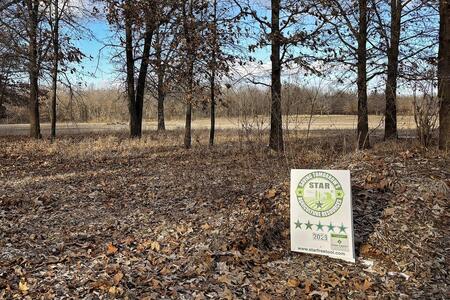
LEWISTOWN, Ill. — Healthy soils, cleaner water, and stronger farms, one field at a time – University of Illinois Extension and STAR, Saving Tomorrow’s Agriculture Resources, are working together to make it happen.STAR was born out of a...
Under the Ice: What Winter Means for Your Pond
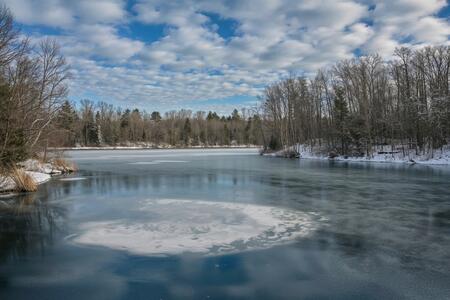
The cold of winter has settled in, and the plants and wildlife in your pond are quietly adjusting to the season’s challenges. Beneath the surface, your pond is undergoing two major physical changes: shifting temperatures and fluctuating oxygen levels. These changes play a crucial role in how...
Conference strengthens communities against emerging environmental challenges
COLLINSVILLE, Ill. — Natural resource professionals play a key role in protecting our communities’ environmental assets. With ongoing research and changing conditions, it’s increasingly important to adopt responsible stewardship, manage new diseases and pests, and apply sustainable practices...
Lost or leading the way? Rare birds may signal shifting migration routes
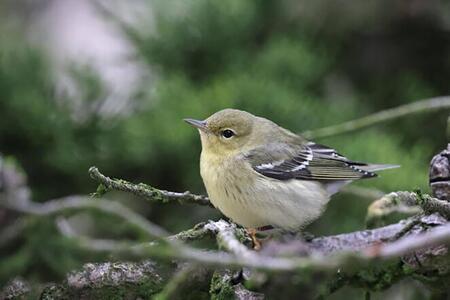
On a 2009 hike in the Huachuca Mountains of southeastern Arizona, a group of birders heard an otherworldly, ethereal bird song floating, flute-like, through the canyon. The hikers identified the singer as a brown-backed solitaire, recognizing...
Master Naturalists connect through community and conservation at annual conference
OGLESBY, Ill. — Of all the state parks in Illinois, Starved Rock has the most visitors, and this October, it also welcomed University of Illinois Extension’s Master Naturalists to explore and learn together. Against a backdrop of migrating pelicans floating in the Illinois River at the base of...