How well are you protecting your eyes while applying pesticides? Unprotected or inadequately protected eyes are at high risk of pesticide exposure, which can result in mild to severe irritation, eye injury, vision loss, or even permanent disability. Eye exposure also provides a route for the...
Whether moving grain to market, delivering fertilizer, or shipping food products nationally and internationally, freight railroads are essential to American agriculture. With tracks spanning coast to coast and everywhere in between, freight railroads are just one part of the complex transportation...
Competition for farmland is fierce. Many other farmers may want to work the same land you do, whether renting or buying. Farming is a highly competitive business. Being efficient in business is essential to successful farm operations. Prioritizing management activities that will increase...
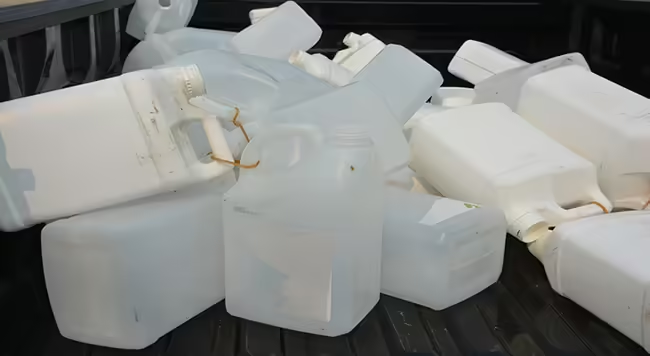
Now is the time to get rid of any old or unwanted pesticides in your chemical storage area. The Illinois EPA one-day household hazardous waste collection schedule for this fall has been released to the public. Please note, all one-day collections require pre-registration. More information can be...
The following is adapted slightly from a U.S. Environmental Protection Agency (EPA) press release dated July 23, 2025. There are currently no registered dicamba products for over-the-top (OTT) applications to soybeans and/or cotton. In recent years, Illinois had additional state restrictions on...
On April 29, 2025, the EPA published its final Insecticide Strategy, following the release of the draft version in July 2024. The insecticide strategy is part of a broader suite of regulatory efforts,...
This article is for educational purposes and not to be considered legal advice.How should a farmer prepare for an agronomy service call when there is a problem with the crop growing in the field? The problem could be a poor stand with low and varied emerged plants. There may be chemical...
After a wet spring and early summer, corn and soybean fields across central Illinois are entering critical reproductive stages—and so is the risk of crop disease. While the plants may look healthy from the road, conditions are ripe for several fungal and soilborne pathogens to take hold, often...