Title
Stay up to date on the latest research
University of Illinois is one of the nation’s research powerhouses. Illinois researchers pioneer new ideas, develop technologies, and shape policies. Scientists from many departments and partners conduct invasive research to combat the threat posed by existing invasive species and prevent future invasions.
Prairie Research Institute Department of Crop Sciences Department of Natural Resources and Environmental Sciences
Illinois Invasive Species Symposium
Learn together at the annual Illinois Invasive Species Symposium in May where industry experts share the latest research updates, management recommendations, removal success stories, and more.
FOREST REGENERATION
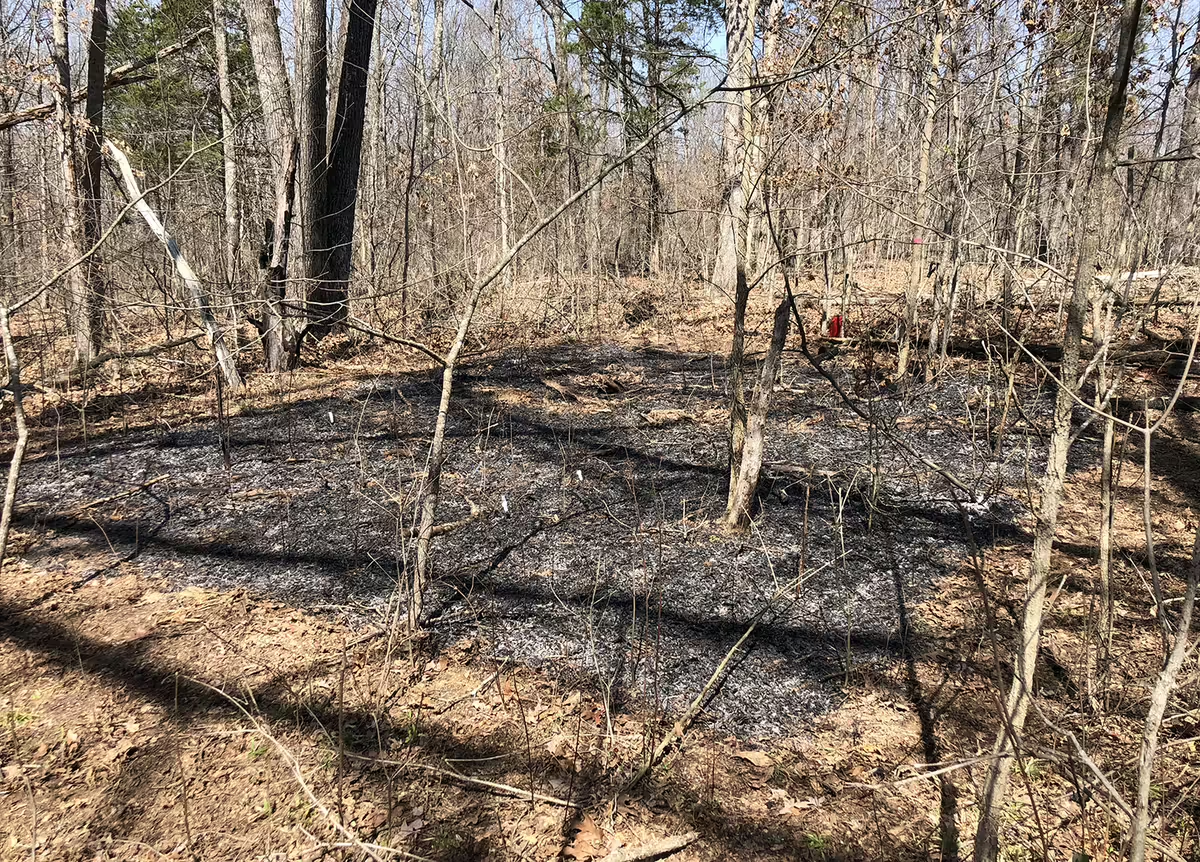
Fire brings more light into forests, which is crucial for young oak tree growth, but many land managers are concerned about how non-native plants affect fire intensity and young tree survival rates. A 2026 study from University of Illinois Urbana-Champaign researchers found that conducting more prescribed burns in forests with invasive grasses creates conditions that benefit young oak trees.
HUMAN DIMENSIONS
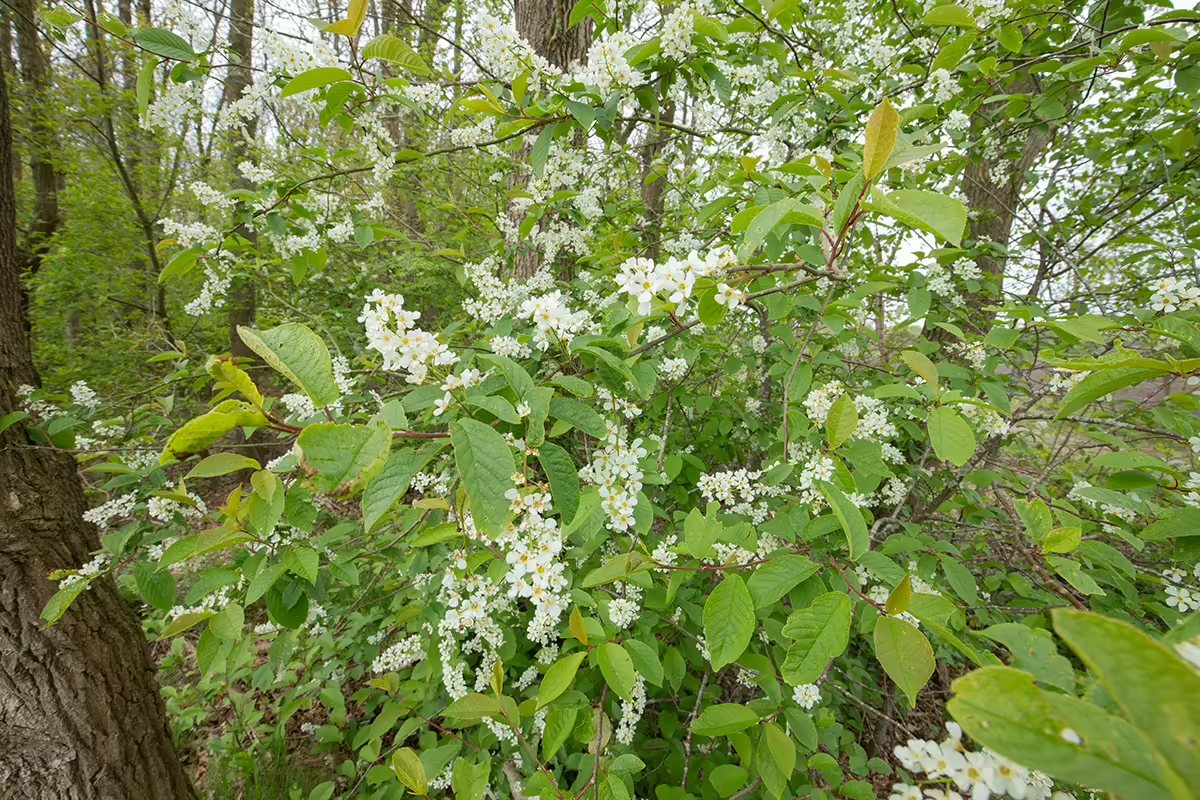
Many U.S. forests are privately owned, which makes control of invasive plants and pests challenging because efforts must be coordinated across landowners. New research from the Department of Agricultural and Consumer Economics explores how differences in land owner motivation affect willingness to control invasives and how economic incentives can be implemented most efficiently.
INVASIVE PLANTS
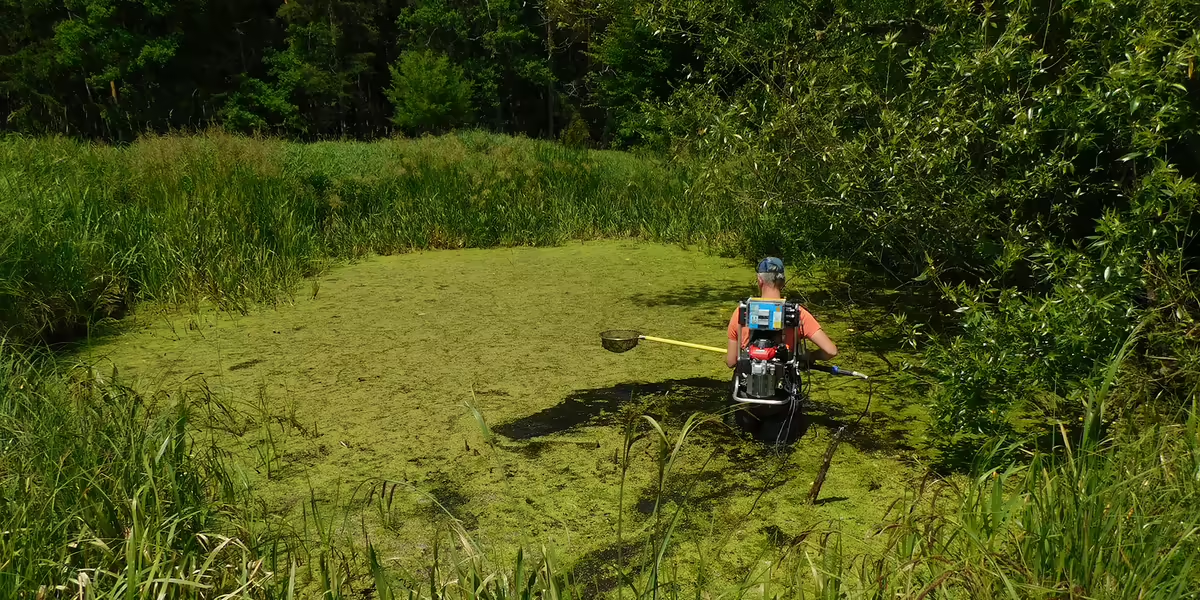
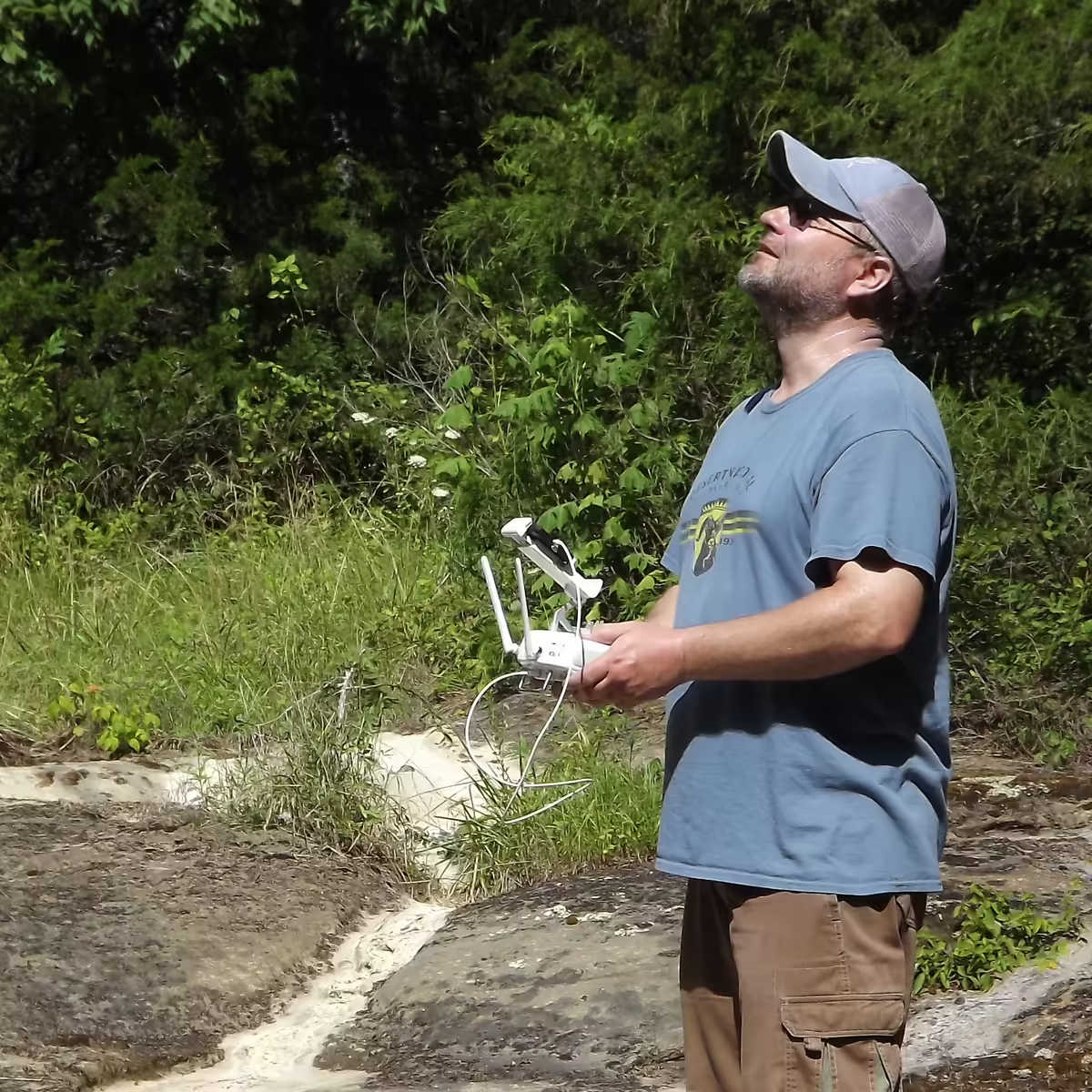
From forests to wetlands, Illinois researchers are exploring invasive plant populations, new surveillance technology, and improved control methods.

AQUATIC INVASIVES
Rivers split across mountaintops and other geographic barriers may flow only a few miles from one another, but to the aquatic creatures in those waters, the separation could represent millions of years of evolutionary time. In the U.S. Geological Survey’s Non-Indigenous Aquatic Species database, these so-called “native transplant” fish are almost twice as common as fish introduced from outside the country. But a new University of Illinois review says native transplant fish, especially those that don’t qualify as game fish, are rarely studied and their impacts are poorly understood.

AGRICULTURAL INVASIVES
According to University of Illinois agricultural ecologist Adam Davis, many cost estimates for cleaning up unwanted, invasive plants are just that: estimates, extrapolated via desktop analysis from relatively scant data. Unsatisfied with that, Davis suffered hornet attacks and years of backbreaking labor to arrive at real dollars and cents associated with removal of escaped Miscanthus plants.