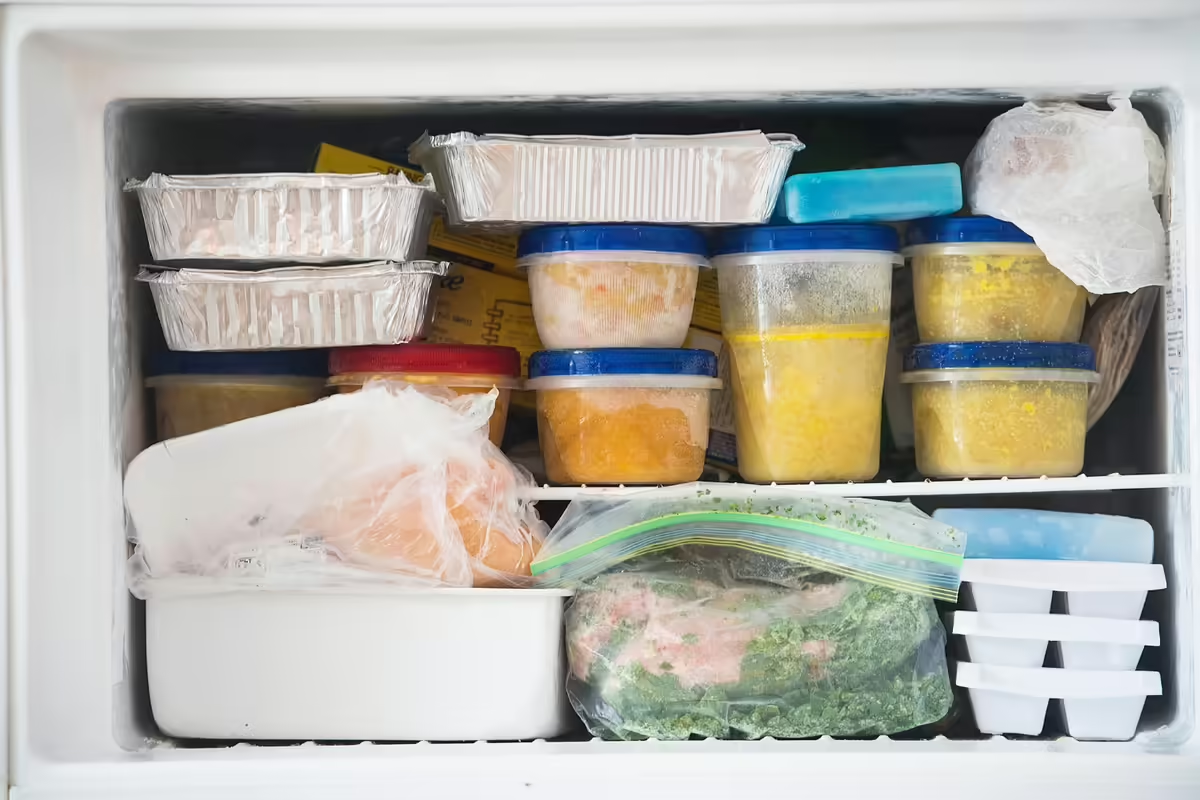
Many foods can be frozen successfully, but some may lose quality when exposed to extreme cold temperatures. Find out what food you can freeze, and for how long, to maximize its quality.
Freezer Food Types and Storage Times
Baked Goods
Freezing does not refresh baked goods; it can only maintain whatever the quality of the food was before freezing.
| Food | Recommended Storage Time for Top Quality at 0 F. |
|---|---|
| Yeast Bread and Roll Dough (unbaked) | 1 month |
| Yeast Bread and Rolls (baked) | 2 to 3 months |
| Quick Bread and Muffins (baked) | 2 to 3 months |
| Cake Batter | 1 month |
| Baked Cake (unfrosted) | 2 to 4 months |
| Baked Cake (frosted) | 1 month |
| Angel Food Cake | 6 to 12 months |
| Chiffon Sponge Cake | 1 to 2 months |
| Fruit Cake | 6 to 12 months |
| Cookies (baked at home) | 8 to 12 months |
| Cookies (commercially packaged) | 8 to 12 months |
| Cookie Dough (unbaked) | 3 months |
| Fruit Pies and Pastries (baked) | 1 to 2 months |
| Fruit Pies and Pastries (unbaked) | 2 to 4 months |
| Cream Pies and Pastries | 3 months |
| Pancake and Waffle Batter | 3 months |
Dairy
| Food | Recommended Storage Time for Top Quality at 0 F. |
|---|---|
| Butter or Margarine | 12 months |
| Cheese Hard): Cheddar, Swiss, etc. | 4 to 6 months. Shred or slice into smaller pieces before freezing for best results. |
| Cheese (Processed): Loaves, Slices | 4 to 6 months |
| Cheese (Soft): Brie, Cottage | Does not freeze well. |
| Cream (Heavy) | 2 to 4 months. Lighter cream and half-and-half do not freeze well |
| Ice Cream and Sherbet | 2 months |
| Milk | 3 months. Place into smaller airtight containers and leave an inch at the top to allow it to expand. |
| Yogurt | 1 to 2 months |
Eggs
Eggs can be stored in the refrigerator for at least one month. To store longer, crack eggs and mix the yolks with the whites. To prevent graininess, add 1 Tablespoon of sugar or ½ teaspoon salt per one cup of egg mixture. Strain through a colander to improve uniformity. Leave an inch of empty space (headspace) at the top of the container. Do not freeze eggs in the shell.
| Food | Recommended Storage Time for Top Quality at 0 F. |
|---|---|
| Eggs in the Shell | Do not freeze. |
| Whole Eggs Out of the Shell | 12 months |
| Egg Substitutes (unopened) | 12 months If opened, do not freeze. |
Fish
For best quality, double wrap.
| Food | Recommended Storage Time for Top Quality at 0 F. |
|---|---|
| Cooked, Commercially Frozen Seafood | 3 months |
| Lean Fish: Cod, Flounder, Haddock, Sole, Trout, Polluck, Perch | 6 months |
| Fatty Fish: Mackerel, Bluefish, Salmon, Tuna, Smelt | 2 to 3 months |
| Shellfish | 3 months |
Fruit
Find additional information about freezing fruits on Extension's Food Preservation website.
| Food | Recommended Storage Time for Top Quality at 0 F. |
|---|---|
| Berries, Cherries, Peaches, Pears, Pineapple | 9 to 12 months |
| Fruit Juice Concentrates | 8 to 12 months |
| Citrus Fruits | 4 to 6 months |
Meat: Beef, Pork, Veal, Lamb, and Wild Game
Check for holes in trays and plastic wrap of fresh meat. Rewrap if needed. For best quality, double wrap.
| Food | Recommended Storage Time for Top Quality at 0 F. |
|---|---|
| Bacon | 1 to 2 months |
| Canned Meat (marked “Keep Refrigerated”) | Do not freeze. |
| Chops: Beef, Lamb, Pork, or Veal | 4 to 6 months |
| Corned Beef | 1 month, drained |
| Frankfurters | 1 to 2 months. Freeze in original packaging. |
| Ground Meat (uncooked) | Overwrap if storing longer than 2 months. |
| Ham (vacuum-sealed, whole, half, or sliced) | 1 to 2 months |
| Luncheon Meats | 1 to 2 months. Product may “weep” when defrosted. |
| Roasts: Beef, Lamb, Pork, or Veal | 6 to 12 months |
| Sausage (fresh, unsalted, or smoked) | 1 to 2 months |
| Steaks: Beef, Lamb, Pork, or Veal | 6 to 12 months |
Poultry: Chicken, Duck, and Turkey
For best quality, double wrap.
| Food | Recommended Storage Time for Top Quality at 0 F. |
|---|---|
| Whole or cut up | 12 months |
| Livers or Giblets | 3 to 4 months |
| Cooked Poultry | 4 to 6 months |
| Chicken Nuggets and Patties | 1 to 3 months |
Main Dishes
| Food | Recommended Storage Time for Top Quality at 0 F. |
|---|---|
| Casseroles and Pie (with Meat, Fish, or Poultry) | 2 to 4 months |
| Commercially Frozen Meals/TV Dinners | 3 to 4 months |
| Soups and Stews | 2 to 4 months |
| Pre-stuffed Pork, Lamb, Chicken, Beef | Do not freeze. |
Other Food Staples
| Food | Recommended Storage Time for Top Quality at 0 F. |
|---|---|
| Bread | 3 months; freeze commercial or homemade bread in a heavy-duty freezer bag. |
| Coconut (shredded) | 1 year |
| Herbs | 1 to 2 years |
| Nuts (unsalted) | 9 to 12 months |
| Nuts (salted) | 6 to 8 months |
| Popcorn (unpopped) | 2 to 3 years |
| Rice (uncooked) | 6 months |
| Spices (ground) | 1 to 2 years |
| Spices (whole) | 2 to 3 years |
Vegetables
| Food | Recommended Storage Time for Top Quality at 0 F. |
|---|---|
| Commercially Frozen | 8 months |
| Frozen Fresh (at home) | 8 months |
Check Freezer Temperature
Freezing meat is only safe and effective if the freezer temperature is accurate. Check the freezer temperature frequently with a thermometer:
- Place a freezer thermometer between frozen food packages.
- Wait 5 to 8 hours.
- If the temperature is not 0 to 2 F, adjust the freezer temperature control.
- Check again after 5 to 8 hours.
Packaging and Repackaging Meat
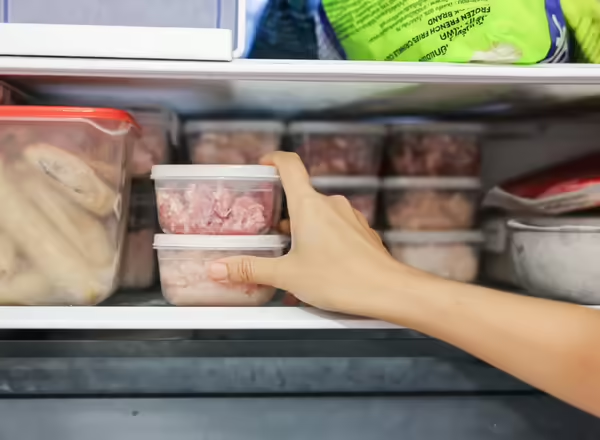
It is safe to freeze meat or poultry directly in its supermarket wrapping, but this type of package is permeable to air. Oxygen in the air can hasten both the chemical breakdown and microbial spoilage of many foods. Use the meat within approximately two months, or overwrap the package with airtight heavy-duty foil, freezer wrap, or a freezer zip-lock bag.
For long-term freezing, overwrap the porous store plastic with aluminum foil, freezer paper, or freezer-weight plastic wrap or bags to prevent "freezer burn." Be sure to seal the secondary packaging well to keep air out and moisture in. Freezer burn occurs when the surface of meat becomes dehydrated, and then the fat oxidizes. Freezer-burnt meat will have dry, grey spots and an off-flavor. Vacuum packaging with home vacuum packers is also a good way to reduce freezer burn.
Tips for Packaging Meat for Freezing
The first step in making sure the meat in your freezer is safe and wholesome is selecting only high quality, fresh or processed meat to freeze.
If you decide to repackage the meat, remember to wash your hands thoroughly and clean the surfaces that came into contact with the meat.
Properly handled food stored in a freezer at 0 F (-18 C) will always be safe as long as it hasn’t thawed. The food is safe because the bacteria has entered a dormant stage. For best quality, store frozen raw ground meats no more than 3 to 4 months; cooked meats, 2 to 3 months. Storage for a long period of time is not dangerous, but flavors and textures can deteriorate. For this reason, date packages before you put them in the freezer.
Initial freezing is most efficient when packages are placed on the freezer's lowest shelf in a single layer. Once frozen, they can be stacked on the shelves.
- When repackaging, remove as many bones as possible — they take up freezer space and add air spaces where oxidation can occur.
- Place two layers of freezer paper or wrap between slices or patties of meat to make them easier to separate when frozen.
- Use freezer containers to freeze and store smaller portions of ground beef, stew beef, or other meats.
- Remember, plastic wrap, foam meat trays, and convenience food dishes are one-time-use packaging.
Preserve Food by Freezing!
Freezing is a quick and convenient way to enjoy seasonal produce later in the year. It pauses the aging process and delivers fresh flavor, natural color, and a higher nutritional value than other food preservation methods.
Steps for Freezing Produce
Wash and Drain
Wash and drain produce before removing cores, pits, seeds, and skins. Wash small amounts at a time, change the water several times, and do not let the produce soak. This will prevent harmful bacteria from entering the produce tissues through the natural openings.
Fruits: Choose Packing Type
For fruits, determine how to prevent discoloration, if needed, and select your packing type. Most fruits have a better texture and flavor if packed in sugar or syrup.
Vegetables: Blanch and Cool
For vegetables, follow appropriate blanching times and cool quickly by plunging into cold ice water, then drain. Blanching is to scald vegetables in boiling water or steam for a short time.
Package and Label
Pack food in freezer-safe containers. Food expands when frozen; be sure to leave sufficient space between the top of the packed food and the closure of the container to allow for that expansion. Label the container with the product name and the current date. Freeze at 0 F or below and use within 8 to 12 months for the best quality.
Thawing Frozen Foods
Follow safe practices for thawing frozen food. Improper thawing can create an environment where bacteria can grow and multiply quicky on the food, leading to an increased chance of foodborne illness.

Have More Food Storage Questions?
Check out USDA's FoodKeeper resource for a comprehensive list of refrigeration and freezer recommendations for a wide variety of foods and beverages. The resources is also available as the FoodKeeper App on both Android and Apple devices!