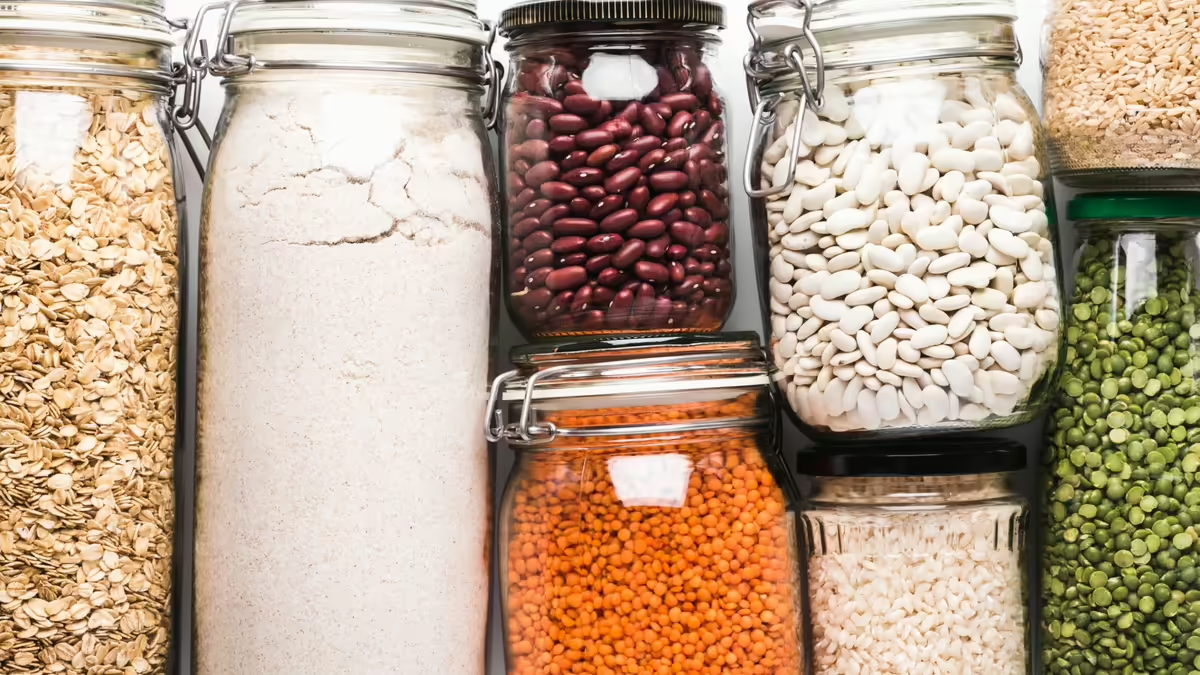
Room Temperature Storage
Many foods can be stored safely at room temperature. Some shelf-stable foods will need to be refrigerated once opened — always read the package for recommendations. Examples of foods that can be stored safely at room temperature include:
- Uncooked rice, grains, lentils, legumes
- Uncut produce like whole onions, potatoes, and sweet potatoes
- Baking staples, like flour and sugar

Tips for Storing Pantry Foods
- Keep the food storage area dry.
- Keep food off the ground.
- Do not store food and cleaning supplies in the same area.
- Cover opened food with a storage bag or place in a storage container with a lid to prevent pests from getting into the food.
- Do not use food from swollen cans; this is a sign that Clostridium botulinum could be growing inside, producing toxins that will make you sick.
- Rotate pantry foods using the First In, First Out method to maximize quality and reduce food waste.
Food Package Dates
Dates indicated on food packages can help both retailers and consumers manage their food supplies safely. Some dates relate to the safety of the product, while others can help indicate when food is at peak quality. Learn about different food package dates to help avoid unnecessary food waste, save money, and ensure best practices for food quality and safety.
Sell By or Pull Date
This date indicates when stores must remove products. Food will be safe to eat after this date if it has been refrigerated. Dairy products will usually be edible at least one week longer than the sell-by date. Eggs will be kept for 3 to 5 weeks after the listed date. Foods that use sell-by or pull dates include milk, yogurt, cottage cheese, cream, eggs, lunchmeats, and packaged salad mixes.
Best If Used By Date
This date is a recommendation to consumers when the product’s flavor or quality is highest. It is not a purchase or safety date.
Pack Dates
This date, typically found on canned foods, crackers, cookies, and spices, indicates the date the product was packaged. Manufacturers and retailers use it to track inventory, rotate stock, and locate items in the event of a recall. Since each manufacturer may use its own dating system, it can be hard for consumers to interpret the date.
- Packages of food will be safe for long periods after the pack date, but may not be as flavorful.
- Canned foods will be safe but may have changes in taste and texture for many years after this date.
- If the container has bulges or dents, throw it away.
- Any product with a broken seal or “off” smell should not be eaten.
Use By Date
This is the last date recommended to ensure a product’s peak quality. The manufacturer of the product has determined the date.
Expiration Date
Expiration dates are printed on infant formula, baby food, vitamins, over-the-counter drugs, yeast, baking powder, cake mixes, and pectin.
- Expires 2/15/27
- Do not use after 2/15/26
Infant formula, baby food, and over-the-counter drugs should never be consumed after the expiration date because they may not function in the body as initially intended. Leavening agents like yeast will be safe but may not be as effective after this date. The same applies to baking mixes and pectin used for jams and jellies.
Quality Assurance Date
It is best if foods with a long shelf life are used before expiration, but they may begin to lose flavor or develop off-flavors. The date indicated estimates how long the food will be of optimum quality. Quality is defined as odor, taste, and texture; it is not a measure of safety.
If the product smells or tastes bad or the seal on the package has been broken, don’t use it. Packaged food mixes, such as macaroni and cheese, boxed soups, bakery products, cheese, some canned foods, cold cereals, peanut butter, and mayonnaise often use this date stamp.

Have More Food Storage Questions?
Check out USDA's FoodKeeper resource for a comprehensive list of refrigeration and freezer recommendations for a wide variety of foods and beverages. The resources is also available as the FoodKeeper App on both Android and Apple devices!