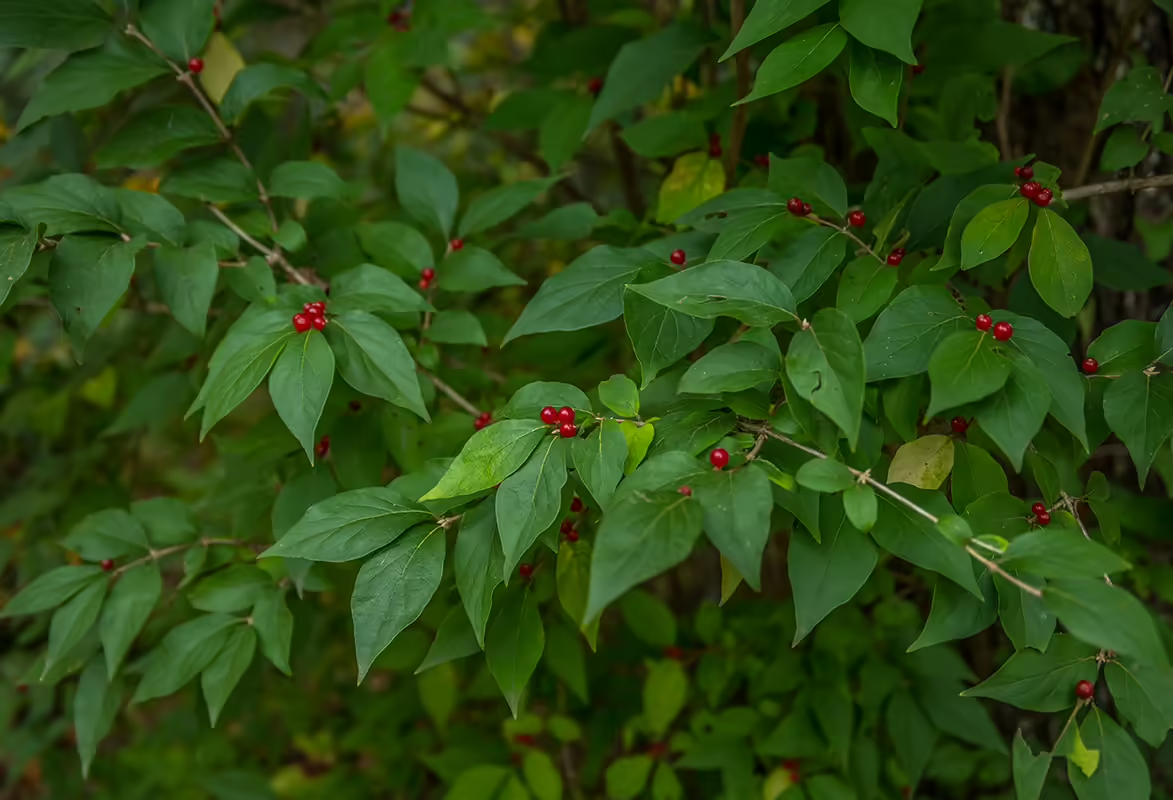
Invasives have big environmental and economic impacts
Keep Illinois natural areas strong
The prairie state is home to beautiful wild spaces, but invasive species are a growing threat in our forests, lakes, backyards, and agricultural fields. Introduced non-native plants, animals, and insects spread quickly, and once they take hold, they're hard to remove.
You can help. Explore how to prevent the spread of invasive species with everyday activities and steps you can take to keep your land beautiful and healthy by controlling plant, insect, and aquatic infestations.
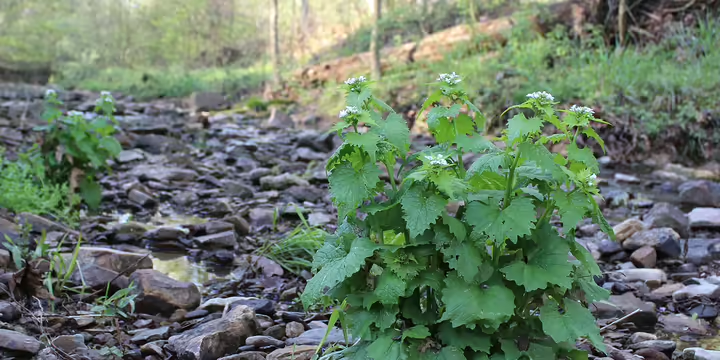
Management of Invasive Plants and Pests
Download a free copy of this comprehensive guide to managing invasive plants and pests of Illinois. Invasive species cause damage by changing the habitat for wildlife and native plants or by negatively impacting forest or agricultural resources.
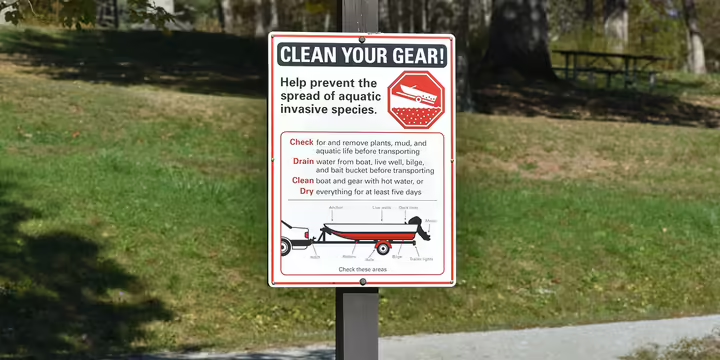
Fight the spread of aquatic invaders
Heading out to the lake? Easily overlooked aquatic invaders spread by hitching rides on boats, trailers, and gear used by anglers, boaters, and other recreationists. You can help prevent their spread.
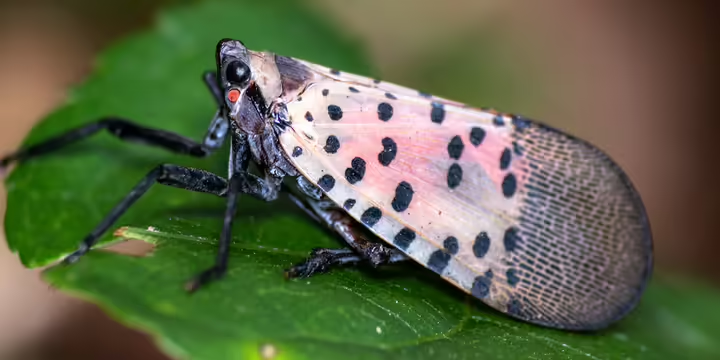
Watch Out for these Invasives
Preventing invasive species and detecting them before they get out of control is crucial for management. Explore what species to keep an eye out for and report.
Invasive species are an environmental and ecological problem for everyone.
Why do we control invasive species?
"We control invasive species because they are harming the native plants and animals we care so much about protecting."
- The Nature Conservancy global invasive species initiative
Non-native invasive species are one of the biggest global environmental threats, second only to habitat loss. Their damages cost the U.S. $120 billion every year. The U.S. Forest Service identified invasive species as one of four major threats to forests and grasslands and the Illinois Wildlife Action Plan outlines invasives as one of six primary challenges to conservation.
What we know about invasive species' ecology and management recommendations is constantly changing as we learn more through research.
Invasives make it hard to enjoy nature's beauty and resources.
- Aggressive invasive species form a monoculture, making forests, prairies, and waterways less diverse and beautiful.
- Invasives harm native species, threatening the future of plants and wildlife.
- By competing for resources, invasives reduce populations of native fish, wildlife, and fungi making it harder to hunt and forage.
Invasives harm the entire ecosystem.
- Native wildlife, like insects, birds, fish, and mammals, rely on native plants for food and shelter.
- Insect and weed pests threaten agricultural crop productivity.
What are invasive species?
Non-native invasive species are ecologically or economically damaging exotic plants or pests, introduced by humans to areas where they were not found historically. They can be introduced accidentally or deliberately and become established in the wild.
- Native species: A plant, animal, or insect that occurs naturally in a region.
- Non-native species: A species that has been introduced to a region.
- Aggressive / nuisance species: A species that spreads quickly or is somewhere it is unwanted. It could be native or non-native.
Illinois' centralized location and extensive transportation networks provide many ways for pests to arrive. Climate change also creates opportunities for species to become invasive as they seek new habitats. Read more about what to expect with invasives and climate change.
What makes a species invasive?
Not all non-native species are invasive; most agricultural crops are non-native, and some native plants are problematic. Some non-native species have been established in Illinois for decades without causing harm.
For a non-native species to be considered invasive, it must have a negative impact on the environment, economy, or human health. Invasive species spread quickly and aggressively because they do not have the natural controls found in their native habitats. Their populations grow until they cause damage by changing the habitat and competing with native species for resources.
- Giant hogweed can cause chemical burns
- Jumping worms strip nutrients from garden soil
- Silver carp outcompete native fish for food
Contributing Factors
Invasive species are complicated. What causes one species to take hold in an area depends heavily on the site's condition when an invasive species arrives. There are often many root causes of invasion, including:
- Ecosystem disturbance and degradation
- Habitat loss
- Increased natural area edges
- Overpopulation of deer
- Fire suppression
- Hydrology changes.
So how a species is managed also requires site-by-site consideration. Each situation is different, and sometimes control is not warranted. Eradication may not be feasible, so define success realistically. You can live with invasive species by maintaining or enhancing ecosystem health, reducing threats, and preserving native ecosystems.
Connect with local Extension experts
Extension experts can help you identify species and make a plan of action for controlling them. We have offices in every county available to help.
Become a Master Naturalist
You can make a difference. Become an environmental steward by joining your local Master Naturalist program. share natural resource information with others in their communities and to assist with environmental conservation and restoration activities.
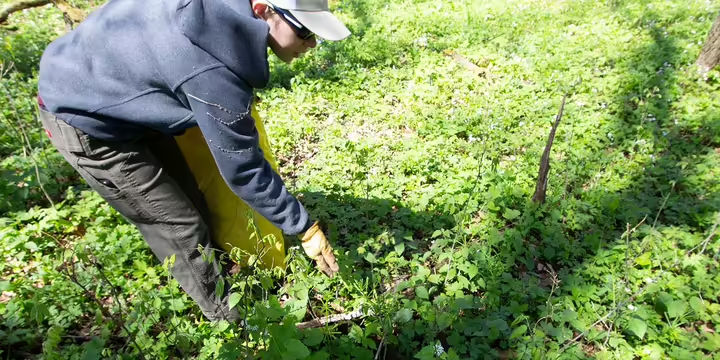
Help Prevent the Spread
Small steps make a big difference. Learn how you can help prevent the spread of invasive species, remove them, and report sightings.
Invasive species pose a serious threat to native species and natural ecosystems. Forestry Extension and Research Specialist Christopher Evans covers introductory explanation of invasive species, including their ecological impacts, and a review of...
Do you have questions about invasive species? We have the answers! This Q&A livestream about invasive species in Illinois was presented and recorded on May 21, 2026, on Facebook for the Everyday Environment series.