Bacteria that are dormant in frozen meat start to become active as the meat thaws. Leaving meat at room temperature for two hours or longer encourages the growth of bacteria and microorganisms that can make you and your family sick.
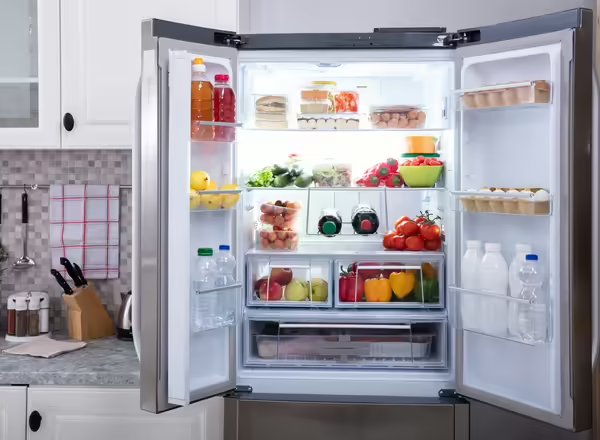
Thawing in the Refrigerator
- Move meat from freezer (0 F or colder) to refrigerator (40 F or colder).
- Place the meat on a plate or in a container to catch any meat juices that drip through the packaging as it thaws.
- Store uncooked meat below foods that do not require further cooking, such as raw vegetables, deli meats, and cheeses. Raw meat juices that drip onto these ready-to-eat foods may contaminate them with bacteria and other microorganisms.
- Use meat as soon as possible once thawed.
The chart below shows when to use meat once it's thawed, assuming the meat stays at 40°F or colder.
Meat Type | After Thawing, Use Within: |
|---|---|
| Ground meat (beef, pork) | 1-2 days |
| Small cuts of meat (stew meat) | 1-2 days |
| Poultry (ground and whole) | 1-2 days |
| Seafood | 1-2 days |
Large cuts of meat (roasts, steaks, chops) | 3-5 days |
Refreezing
Meat thawed in the refrigerator can be refrozen without cooking, though its quality will degrade with multiple freeze-thaw cycles. If meats are thawed using the other methods mentioned on this page, do not refreeze that meat unless fully cooked. Do not refreeze any food left outside the refrigerator longer than 2 hours.
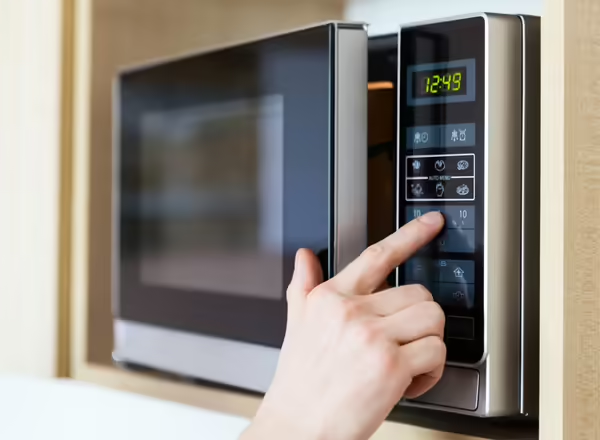
Thawing in the Microwave
Thawing meat in the microwave is possible and safe, but often results in uneven thawing and usually begins to cook the meat. This method works better with ground meat or small cuts of meat rather than large cuts of meat, like roasts or whole chickens.
- Remove meat from freezer and remove meat packaging.
- Place meat in a microwave-safe container, preferably glass or ceramic.
- Use your microwave's defrost or thaw button on a low power setting, such as 30% power.
- Once thawed, meat must be finished cooking immediately, either in the microwave or through another method.
Microwave Thawing Examples
Safe Method
Thaw frozen ground beef, then finish cooking it in the microwave, breaking the meat into small pieces as it cooks. Drain excess fat from the meat, then add the cooked meat crumbles to a hot pasta sauce.
Unsafe Method
Thaw frozen ground beef until soft, then add additional ingredients for a meatball recipe. Put the uncooked meatballs into the refrigerator to cook later.
Thawing in Cold Water
Meat can be safely thawed in cold water only, changing the water every 30 minutes until meat is thawed. This method is quicker than thawing in the refrigerator, but requires more time management.
- Fill a container with cold water (around 70 F).
- Remove the meat from the freezer and place it in leakproof packaging or a sealable bag.
- Add the sealed meat to the container of water; set a timer for 30 minutes.
- At 30 minutes, discard the water and refill with new cool water. Reset the timer.
- Change the water every 30 minutes until the meat is thawed.
- Once thawed, the meat must be finished cooking immediately.
If meat is thawed outside of packaging, the water may be absorbed in the meat, changing the quality. From a food safety perspective, the bag prevents bacteria and other microorganisms on the meat from contaminating the water. Contaminated water may splash onto countertops or other kitchen surfaces.
Cold Water Thaw Times
Larger packages of meat will take longer to thaw than smaller ones. Below are time estimates.
| Meat Amount | Time to Thaw |
|---|---|
| Small packages (1 pound) | ~1 hour |
| Large packages (3- or 4-pounds) | 2-3 hours |
| Whole turkeys | 30 minutes per pound |
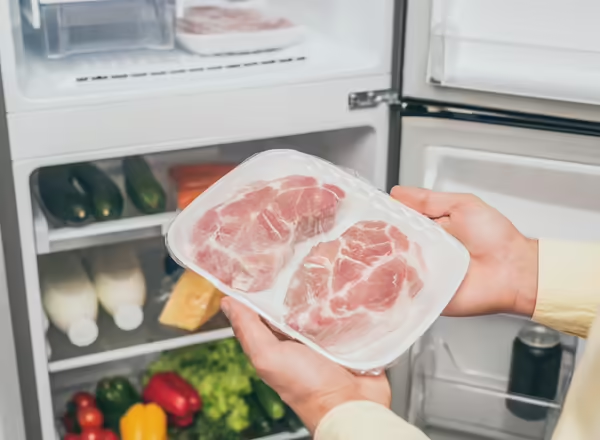
Cooked from Frozen
Meat can be cooked directly from frozen, depending on the cooking method and type of meat. Always use a food thermometer to ensure the meat reaches a safe internal cooking temperature.
Methods
- Electric pressure cookers can be used to cook meat directly from frozen. Follow manufacturer's cooking time recommendations and use a food thermometer to check final temperature.
- Stovetop methods, such as a skillet or saucepan, can cook small cuts, like frozen fish fillets, ground meat, or stew meat. Move or flip the meat regularly to ensure more even cooking.
- Dry, hot methods like grills, ovens, or air fryers might allow you to cook meat safely from frozen. Use smaller cuts of meat and move the meat regularly for more even cooking. Do not cook large frozen cuts, such as a whole turkey, using this method.
- DO NOT USE slow cookers to cook frozen meat. The frozen meat will take longer to reach a safe cooking temperature, allowing bacteria and other microorganisms to grow to large numbers or produce toxins that are not destroyed by cooking.
Unsafe Thawing Methods
Unsafe thawing methods let food enter the "Danger Zone" between 40 and 140°F, where bacteria can multiply rapidly. The only three safe ways to thaww food are to thaw in the refrigerator, in cold water, or in the microwave.
- Do not thaw in hot water
- Do not thaw at room temperature or on a counter
- Do not thaw in a slow cooker
Resources
- AskUSDA, United States Department of Agriculture
- The Big Thaw - Safe Defrosting Methods, United States Department of Agriculture, 2013