Many people recognize bush honeysuckles (Lonicera maackii, L. tatarica, etc.) and autumn olive (Elaeagnus umbellata) as invasive species. Still, some lesser‑known plants are also on Illinois’ invasive species list. invasive plants in are the ones hiding in plain sight, including shrubs, grasses, and perennials that are planted in yards every year.
Illinois recently expanded the Exotic Weed Act to include nine additional invasive plant species on the state’s regulated list. The additions include the popular ornamental Callery pear, which will become regulated in 2028.
Here are five overlooked invasive plants and native alternatives that support pollinators, birds, and healthy ecosystems.
Callery Pear (Pyrus calleryana)
Callery pear cultivars such as ‘Bradford,’ ‘Cleveland Select,’ and ‘Chanticleer’ were once promoted as sterile, easy‑care ornamental trees. These cultivars have since been shown to produce viable seed, and spread aggressively into roadsides and other natural areas where they crowd out native trees and shrubs.
Reason for Its Continued Use
This tree is still widely planted in new subdivisions and commercial landscapes. Homeowners may not be aware that Callery pear has become one of Illinois’ most rapidly spreading invasive trees.
Plant This Instead
Callery pears are popular for their white spring blooms, dark green summer foliage, and vibrant fall color. These native trees offer similar landscape appeal without the ecological harm:
- Serviceberry (Amelanchier arborea or A. laevis)-A small native tree with showy white spring flowers, edible berries for birds, and excellent fall color, well-suited for yards, edges, and naturalized landscapes.
- Prairie crabapple (Malus ioensis)-A tough, wildlife‑friendly native tree with fragrant spring blooms, strong pollinator value, and small fruits that support birds and other wildlife.
- Hop hornbeam (Ostrya virginiana)-A durable understory native tree with subtle flowers, attractive bark, and reliable yellow fall color, ideal where Callery pear was planted for structure.
Burning Bush (Euonymus alatus)
Burning bush is valued for its vibrant red fall color and bright red berries that attract birds. Birds then spread the seeds into woodlands, where burning bush seedlings form dense understories that shade out native plants, especially spring ephemerals and tree seedlings.
Reason for Its Continued Use
Burning bush is still widely sold as a foundation planting because of its intense fall color.
Plant This Instead
These native shrubs provide excellent fall color and strong wildlife value:
- Ninebark (Physocarpus opulifolius)-A hardy native shrub with exfoliating bark, spring flowers for pollinators, and dependable red to burgundy fall color for foundation or mass plantings.
- Black chokeberry (Aronia melanocarpa)-A versatile native shrub with white spring blooms, glossy foliage, outstanding fall color, and dark berries readily used by birds.
- Witch hazel (Hamamelis virginiana)-A unique native shrub or small tree that blooms in fall after leaf drop, providing late‑season interest and valuable nectar for pollinators.
Japanese Barberry (Berberis thunbergii)
Japanese barberry is an ornamental shrub that can reach six feet tall. It has sharp thorns and persistent berries. Depending on the cultivar, fall foliage ranges from red and purple to yellow and orange. Barberry leaves emerge early and hold on until late in the fall, giving it a competitive advantage over native plants. Birds spread the seeds into woodlands, and the plant also spreads vegetatively, forming dense, thorny thickets.
Reason for Its Continued Use
Barberry is often marketed as “deer resistant,” and many cultivars are advertised as compact or “well behaved,” giving the false impression that it poses no ecological risk.
Plant This Instead
These native shrubs provide structure, beauty, and ecological value without invasive behavior:
- Gray dogwood (Cornus racemosa)-A hardy native shrub with excellent wildlife value that spreads by suckers to form natural thickets, best used where it has room to expand.
- Winterberry holly (Ilex verticillata)-A deciduous holly with bright red berries that persist into winter; both male and female plants are required for fruit production.
- Red chokeberry (Aronia arbutifolia)-A reliable landscape shrub offering white spring blooms, vivid fall color, and red berries that persist well into winter.
Invasive Tawny Daylily (Hemerocallis fulva)
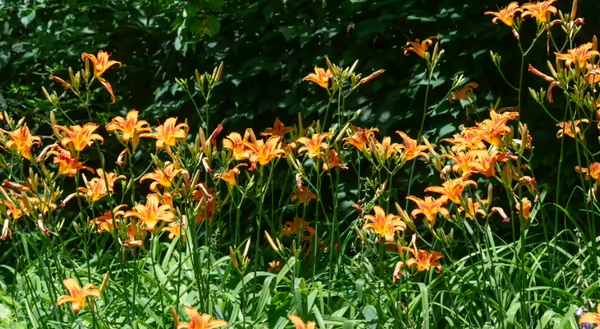
It is so common to see orange daylilies on the side of the road during the summer that it can be a surprise to some that these plants with showy flowers are not native to Illinois. This species spreads through thick rhizomes and tubers, forming dense monocultures along roadsides, woodland edges, and old home sites where it outcompetes native plants and is extremely difficult to remove.
Modern ornamental daylily hybrids sold in garden centers are clump‑forming, do not spread aggressively, and are not considered invasive. Gardeners can continue to enjoy hybrid daylilies without concern.
Reason for Its Continued Use
Because tawny daylilies resemble ornamental daylilies, many homeowners assume they behave the same way. However, Hemerocallis fulva spreads aggressively and can dominate natural areas.
Plant This Instead
These native plants provide vibrant color and fine texture without invasive spread:
- Orange coneflower (Rudbeckia fulgida)-A long‑blooming native perennial with bright flowers that support pollinators and deliver consistent summer color.
- Prairie dropseed (Sporobolus heterolepis)-A graceful, clump‑forming native grass with fine texture and excellent fall color.
- Butterfly milkweed (Asclepias tuberosa)-A drought‑tolerant native perennial with vivid orange blooms that support monarch butterflies and other pollinators.
Miscanthus (Miscanthus sinensis)
Ornamental miscanthus can escape cultivation and establish in roadsides and disturbed areas. It is documented to form dense stands that outcompete native grasses and forbs. Removal is often costly and labor‑intensive. This species is distinct from sterile giant miscanthus (Miscanthus × giganteus), which is used in University of Illinois biofuel research.
Reason for Its Continued Use
Miscanthus remains popular for privacy screening and winter interest, and many cultivars are still marketed as “non‑invasive.” While it is not yet widespread in Fulton, Mason, Peoria, or Tazewell counties, it is invasive elsewhere in Illinois, making early avoidance critical.
Plant This Instead
These native grasses provide screening, texture, and four‑season interest:
- Switchgrass (Panicum virgatum)-An upright native grass ideal for screening, movement, and winter structure while supporting birds and beneficial insects.
- Little bluestem (Schizachyrium scoparium)-A compact native grass with blue‑green foliage and striking copper‑red fall color, well suited for smaller or more formal landscapes.
- Indiangrass (Sorghastrum nutans)-A tall prairie grass with golden seed heads and strong vertical form that works well as a native alternative to miscanthus.
Replacing invasive plants with native species is one of the most impactful steps homeowners can take to support local biodiversity. Many native plants not only replace invasive ornamentals aesthetically, but also restore the ecological functions our landscapes were always meant to provide. Take a walk through your yard: replacing even one overlooked invasive plant can make a meaningful difference.
If you’re not sure where to start, Illinois Extension can help with plant identification, native alternatives, and landscape planning resources.