Resilient Communities Series
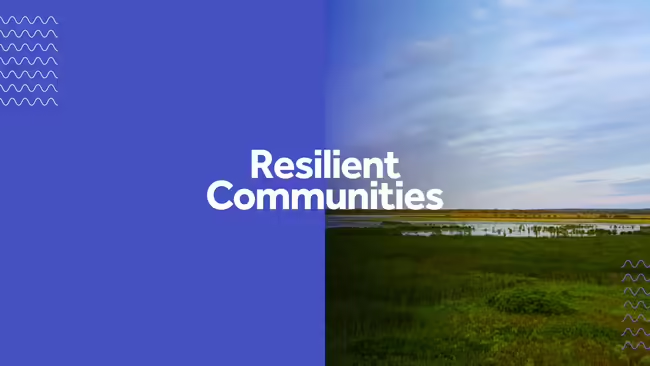
Wetlands are making a comeback in Illinois.
Wetlands of all sizes filter pollutants, provide protection from floods, recharge groundwater and serve as wildlife and fish habitat. But despite their enormous economic and ecological value, less than 10% of Illinois’ original 8 million acres of wetlands remain.
Explore restoration projects working to bring wetlands back to Illinois, discover the benefits these ecosystems can offer, and learn what your community can do to restore these vital habitats. Examples of wetland restoration projects include converting a 3,000-acre site into the Dixon Waterfowl Refuge to restoring a wetland in a small community park in Quincy.
Provided in partnership with Prairie Rivers Network and the Illinois Extension Community and Economic Development team.
Presenters
Robert Hirschfeld, Prairie River Network, director of water policy. Robert leads PRN’s efforts to ensure and protect water quality, water quantity, water access, and water equity for all of Illinois. Contact: rhirschfeld@prairierivers.org.
Paul Botts, The Wetlands Initiative, president and executive director. Paul serves on steering or executive committees of the Chicago Wilderness Alliance and the Greater Chicago Watershed Alliance and is a board officer of the Prairie State Conservation Coalition. Contact: pbotts@wetlands-initiative.org.
Glenn Sanders, Mississippi Valley Hunters and Fishermen Association, president. Glenn is a retired sergeant with the Illinois Conservation Police. He was instrumental in the wetland project at Quincy’s Bob Bangert Park, as well as many other local restoration projects. Contact: gamewarden0215@gmail.com.
About the Series
Part of the Local Government Education programming series, “Resilient Communities” presentations are a result of University of Illinois Extension and Prairie Rivers Network's collaboration to build capacity for technical assistance and education aimed to help communities navigate energy- and environment-related funding opportunities, provide guidance on community inclusion, and lead community-specific strategic planning. This outreach can help communities secure and manage resources to address legacy pollution, invest in clean energy technologies, and more.