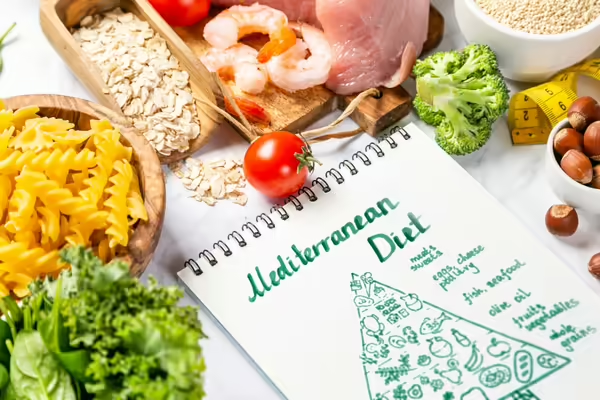
May is Mediterranean Diet Month, a time to highlight a flexible, flavorful way of eating that supports long-term health. This article explores why the Mediterranean diet stands out and offers simple meal makeover tips to help bring its benefits into everyday routines.
The Mediterranean diet offers a practical, flexible approach to eating that supports long-term health without strict rules or restrictions. Instead of eliminating food groups, it emphasizes balance, variety, and enjoyment. This eating pattern has been widely studied and is linked to improved heart health, better blood sugar control, reduced inflammation, and overall reduced risk of chronic disease. It can also be adapted to fit different cultures, preferences, and budgets, making it a realistic option for many.
Giving meals and snacks a Mediterranean makeover is a simple way to start. Begin by shifting the plate to include more plant-based foods like vegetables, fruits, beans, and whole grains. Swap refined grains for whole grain options such as brown rice, quinoa, or whole wheat bread to boost fiber and support lasting energy.
Next, rethink fats and protein choices. Use olive oil instead of butter or margarine for cooking and dressings and include fish like salmon or tuna a couple of times per week for heart-healthy fats. Replace some red or processed meats with beans, lentils, or other plant-based proteins.
Snacks can follow the same approach. Choose options like yogurt with fruit, a handful of nuts, or whole grain crackers with hummus to provide a balance of protein, fiber, and healthy fats that help keep you satisfied between meals.
Flavor is another key part of the Mediterranean style. Instead of relying on salt, use herbs, spices, garlic, and lemon to enhance taste. Meals are meant to be enjoyed and often shared with others, encouraging a more mindful and connected eating experience.
A Mediterranean meal makeover does not require a complete diet overhaul. Small, consistent changes like cooking with olive oil, adding an extra serving of vegetables, or choosing whole grains can add up over time. This month, focus on simple, realistic swaps that fit into daily routines and build from there.
University of Illinois Extension develops educational programs, extends knowledge, and builds partnerships to support people, communities, and their environments as part of the state's land-grant institution. Extension serves as the leading public outreach effort for University of Illinois Urbana-Champaign and the College of Agricultural, Consumer and Environmental Sciences in all 102 Illinois counties through a network of 27 multi-county units and over 500 staff statewide. Extension’s mission is responsive to eight strategic priorities — community, economy, environment, food and agriculture, health, partnerships, technology and discovery, and workforce excellence — that are served through five program areas — 4-H youth development, agriculture and agribusiness, community and economic development, health and community wellness, and natural resources, environment, and energy.