Across many small towns, revitalization often begins with one simple but powerful spark: someone deciding to reinvest in a long-neglected space. This story reflects a common pattern that any rural community can learn from and build upon.
In rural White Hall, Illinois, a vacant building sat unused for years. Also in this town were local residents who had a strong tie to farming and knew this town would always be home for their growing family. But they had a dream of bringing services back to their town, spending more time together as a family, and running their own business. Owners Brock and Jackie Schutz crunched the numbers but eventually took the leap of faith and opened Greene Elite Athletics. Like many rural entrepreneurs, they reached a moment of reflection that changed everything — if not me, then who?
The space was cleaned, repainted, landscaped, and given a fresh identity. What had once been overlooked became a place full of activity — hosting youth programs, classes, and community events. The transformation of this single building signaled possibility.
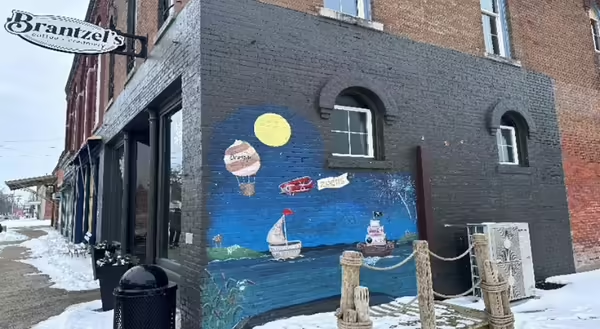
The enthusiasm, visibility, and community connection generated by that first project encouraged others to move forward with their own ideas. Soon after, another unused downtown storefront underwent its own makeover. Owners Lindsey and Luke Coultas and Casey and Kelsey Nell opened Brantzel’s, a coffee and creamery. This welcoming gathering spot — serving coffee, food, and desserts — quickly became a hub for residents of all ages. People stop in for casual visits, small business meetings, or simply to feel connected to neighbors again. What had once been the name and location of a general store dating back to 1875 has become today's gathering spot.
With each visible improvement, confidence grew. A new mural appeared, celebrating local history and adding color to the streetscape. Residents began working with local government to improve parks and public spaces, even turning to crowdfunding to add amenities such as recreation areas. Plans for additional businesses followed, and slowly, the community began to believe that momentum was possible.
Lessons for Small Towns Seeking Renewal
Revitalization doesn’t require a major project or large investment. It often starts with a few key steps:
- Support small, local ideas. One new business or community space can signal that reinvestment is worth the effort.
- Celebrate visible improvements. Fresh paint, landscaping, and simple beautification projects build pride and inspire others.
- Create places for people to gather. Coffee shops, activity centers, or multipurpose spaces help rebuild social connections.
- Engage residents and leaders. Partnerships with local government, nonprofits, and volunteers can expand resources and accelerate change.
- Encourage community-led action. Murals, park improvements, and crowd-funded projects empower residents to co-create their town’s future.
- Build momentum one project at a time. Success is contagious. When people see progress, more ideas — and more energy — follow.
If your town is ready to spark its own renewal, start by reaching out to local entrepreneurs, community organizations, your own relatives who may be business owners, and municipal leaders. Stop by your local Extension Office and learn about state and regional resources to support planning, funding, and community development efforts. A single idea can start a ripple — one that leads to renewed confidence, new opportunities, and a stronger future for your town.
About the Author
Jennifer Russell serves as a community and economic development educator, covering five counties in west central Illinois (Calhoun, Cass, Greene, Morgan, and Scott) and, by request, statewide. Jennifer works with business owners, school districts, governmental officials, and non-profits to provide leadership on strategic planning initiatives (i.e., broadband infrastructure, downtown business districts, tourism development, leadership development, and poverty initiatives). Jennifer also provides business training on team building, Real Colors™ personality assessment, and customer service.