
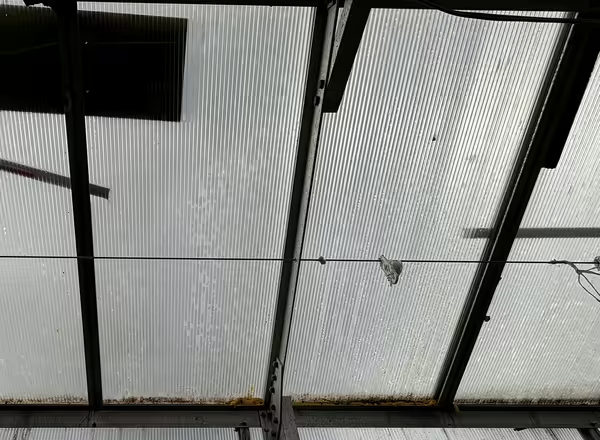
On the night of March 4, a severe storm system came through southern Illinois which consisted of high winds, hail, and very heavy rain. That system dropped over 5 inches of rain across the region, but specifically at the location of the Dixon Springs Ag Center, multiple large trees were downed and hail shattered over a dozen windows as well as damaging all three high tunnels and the greenhouse.
After assessing the damage, plastic has been removed from the top of one tunnel as the wind caused the plastic to split and tear along the factory folded seams. The plastic on the other two tunnels is riddled with thousands of indentions but for the most part they are intact. A few holes have been patched with tape, but the lifespan of these plastic covers has more than likely been decreased. The polycarbonate sheets covering our greenhouse look like swiss cheese as they are riddled with holes, creating a very ineffective and inefficient structure for holding in heat, especially as we look to forecasted lows in the next 10 days or so. Chris Callahan, University of Vermont Extension, has put together a comprehensive guide on preparing high tunnels for extreme weather. The guide provides information on management strategies for mitigating snow fall, high heat, water drainage, and more, and is definitely worth looking at for suggestions on how to be better prepared for extreme weather events.
We are fortunate that we do not have any perennial fruit crops that would most definitely have been severely damaged by the size and speed of the hail. Mark Longstroth, Michigan State University, provided information on how growers can reduce losses on perennial fruit crops after hail/storm damage through quick action, with the focus being on reducing the potential spread of disease. He has provided recommendations for various fruit crops at different times in the growing season.
Hail can also create devastation in vegetable crops. Crop protection through row covers and disease prevention from the application of fungicides are the two most common recommendations to help prevent damage, assuming you have enough notice prior to an extreme weather event. Crystal Stewart-Courtens, Extension Vegetable Specialist from Cornell University, shared additional information on responding to hailstorms.
From a research perspective, having a double layer of plastic on at least one of the high tunnels at Dixon Springs would have made for a great real time observation and comparison.