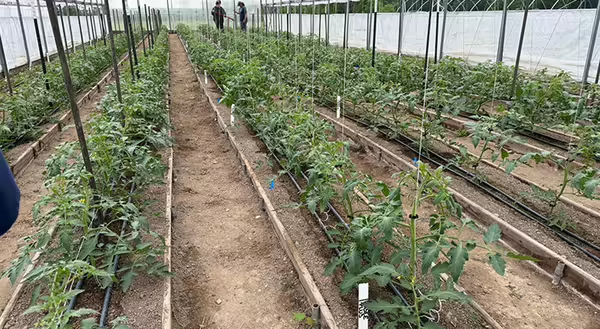
Tomato and pepper variety trials are being conducted in one of the high tunnels at DSAC, with a planting date of April 6. Tomato variety trials will consist of 5 determinate varieties, 6 indeterminate varieties, and 6 bell pepper varieties. In anticipation of the indeterminate varieties growing taller than the determinates, those rows are located in the center of the tunnel to maximize airflow from open sides and HAF fans. Also, metal rebar sticks have been placed across the trusses the length of the tunnel above each of the rows and serve as an anchor point for the single strings used to support each of the indeterminate plants. The strings are attached to the plants with clips.
In addition to the replicated variety trial, the plants in this high tunnel will also be included in a project looking at heat stress. During winter meetings, Dr. James Santiago gave presentations about the effects of heat stress on flowers. Tomatoes and peppers growing in high tunnels in southern Illinois are definitely heat stressed, making our research tunnels at DSAC a prime location for work in this area. For this project, half of the plants in each plot will be receiving a weekly sidedress application of a liquid biostimulant in addition to the normal fertilizer applications made through the drip irrigation system, and harvest data will be collected on all plants throughout the growing season. The first biostimulant application was made on April 21 as the first flower clusters were open.
The new plastic still has not been put on the middle high tunnel as the wind has not been cooperative at all for this process. Between extremely severe storm predictions and potential lows in the upper 30s for the next couple of nights, this tunnel has not been planted yet. Hopefully the wind will calm down in the next few days and progress can be made. For the month of April, DSAC received a total of 3.7 inches of rain with an average maximum high temperature of 77 F and an average minimum temperature of 53 F. Conditions still remain quite dry in our region, especially compared to the northern part of the state. Plasticulture strawberries are being harvested and many nurseries are in full sales mode ahead of Mother’s Day weekend.
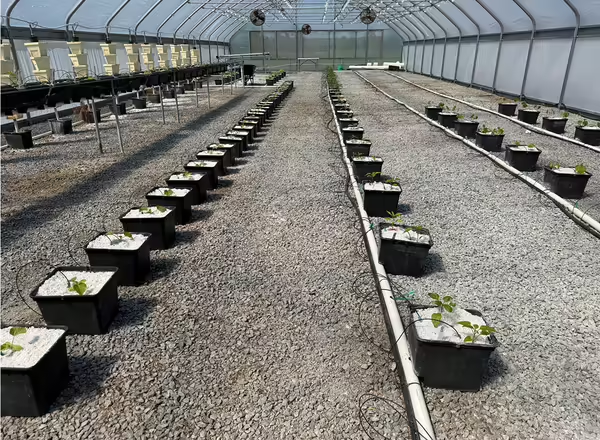
Transplants were set out in the hydroponic tunnel in mid-April and include peppers, eggplant, cherry tomatoes, specialty melons, green beans, herbs, and cucumbers. Only about 1/3 of the cucumber rows are planted at this time but additional plants will be planted later in the season, keeping the bulk of production and harvested fruit more in line with tomato and pepper harvests. Day neutral strawberries will be planted in the vertical stack system in the next week which is about a month and a half later than the normal plant date.
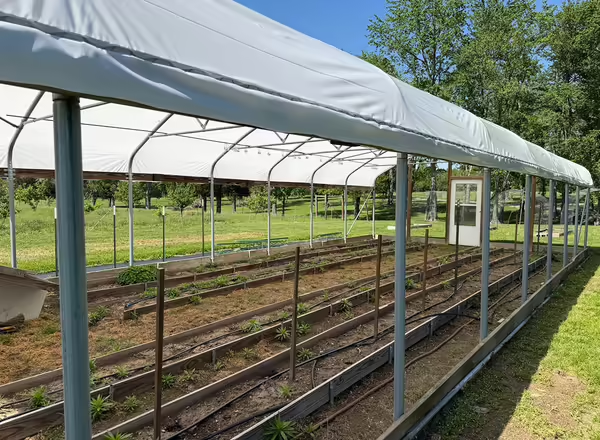
The plastic cover and side curtains on the smaller “youth” tunnel located at DSAC needed to be replaced ahead of this growing season. In thinking about heat stress and the need for shade cloth over the high tunnels, the plastic ordered for this tunnel is different than what is typically purchased. As a comparison and to gather observational information to answer the question, could this single cover replace the need for both a clear cover and shade cloth and maintain typical yields? The new cover is a white 6 mil plastic that has 55% opacity. This cover adds more shade inside the tunnel, and it will be interesting to see how plants will respond to the lessened light transmission.