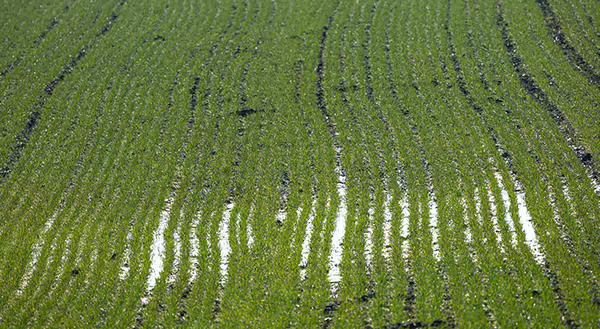
If you established a cover crop last fall or earlier this spring, the persistent April rainfall likely worked in your favor. Across northern Illinois, April weather was highly variable but ultimately warmer and much wetter than normal, shaping planting conditions throughout the western Chicago collar counties. Kane County, for example, received close to 7 inches of rainfall during April, leaving many fields saturated or flooded and causing widespread delays in cool-season vegetable planting.
Temperatures fluctuated sharply throughout April. Several early-to mid-month warm spells pushed daytime highs into the upper 70s and low 80s°F, accelerating growth in overwintered crops such as garlic and asparagus. However, these warm periods were repeatedly followed by cooler nighttime temperatures and wind patterns, with overnight temperatures dipping to near or slightly below freezing during the first half of the month.
Despite brief stretches of spring-like warmth, frost remained a concern into mid-April and continues to pose a risk into early May. Multiple nights in the low 30s°F showed the importance of cautious crop scheduling during planting season. Many commercial growers successfully planted spinach and kale in early April, benefiting from cool daytime temperatures and consistent soil moisture. However, excess rainfall and standing water from mid-to late April continue to threaten planting other cool-season crops, including lettuce, carrots, and onions, as well as warm-season high tunnel crops such as peppers and tomatoes. For guidance on managing flooded fields and associated food safety considerations, Lillian Nabwiire discusses this topic in a previous IFVN issue.
Overall, April precipitation totaled nearly double the regional monthly average, with frequent and occasionally heavy rain events limiting field access and narrowing early-season planting windows. While improved soil moisture was needed following several relatively dry summers and winters, the excess rainfall has increased concerns about soil compaction, nutrient leaching, and root health, particularly in heavier clay soils common across the region.