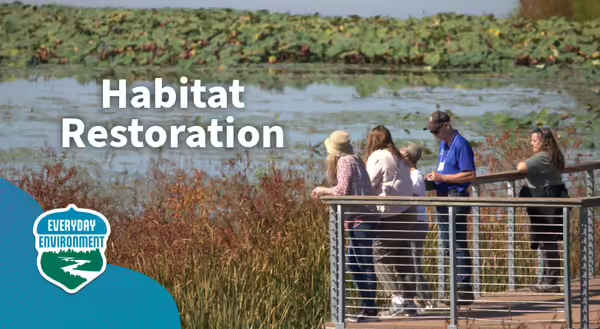
When water returned to the floodplain at The Nature Conservancy’s Emiquon Preserve in west central Illinois, it marked a major restoration success. After decades of draining the land for agriculture, restoring water to this landscape along the Illinois River helped recreate wetland, lake, and marsh habitats once common in the region. Restoration also raised an important question: when we restore natural habitats, what else comes along for the ride?
At more than 6,000 acres, Emiquon is one of the largest floodplain restoration projects in the Midwest. Restoration began in 2007 when the pumping system that had kept soil conditions suitable for farming ceased, and water returned to the historic floodplain, primarily through rain and snow.
After almost 20 years of restoration, considerable progress has been made toward restoring wetlands, lakes, prairies, forested habitats, and a more natural hydrology that includes periodic, managed reconnections to the river. The completion of a gated structure between the Preserve and the Illinois River in 2016 provides controlled passage for riverine fish, nutrients, and plankton, and allows The Nature Conservancy to manage water capacity for marsh habitats and other needs. Initial concerns about reconnection included the potential for introducing high sediment loads, excessive nutrients, and invasive species to the backwater habitats of the Preserve.
This article was written by Maria Lemke, Director of Conservation Science for the Illinois Nature Conservancy
One of the biggest challenges facing floodplain restoration widely is the spread of non-native invasive species. Plant seeds are readily dispersed by water, wind, and animals, whereas fish and other organisms move easily through water to new habitats.
At Emiquon Preserve, managers have documented about 35 invasive plant species, mostly terrestrial, and several invasive fish, including common carp, that have the potential to undermine restoration progress if left unchecked. Stewardship capacity requires balancing priorities, which include maintaining the highest quality areas and aggressively treating plant species that are more prolific seeders. Incorporating multiple treatment methods supports a strong invasive management plan that uses tools such as hydrology (i.e., flooding), prescribed fire, and targeted chemical application. New drone technologies are also being tested to monitor treatment success and potentially scout for invasive species, which remain a continued threat.
Several invasive fish species, especially carp — including common, bighead, silver, and grass carp — inhabit the floodplain habitat at Emiquon. Of these, the common carp may be the greatest threat, as they negatively impact water quality and vegetative habitats due to their tendency to uproot aquatic plants and reduce water clarity. Before restoration, measures were taken to remove common carp from agricultural ditches, and catches were very low during early restoration. However, catch numbers have increased over the years, showing successful reproduction and recruitment over the past several decades.
Studies have shown that below certain thresholds of abundance and biomass, common carp have minimal negative impacts on vegetation or other native species. Commercial fishermen have selectively removed over 400,000 pounds of carp species from Emiquon since 2020, but the big question we are working to answer is whether common carp numbers are reaching thresholds that have the potential to detrimentally impact the floodplain ecosystem.
In the summer of 2025, Conservancy staff worked with partners to tag 705 common carp with Passive Integrated Transponders, or PIT, tags. Each PIT tag has a unique internal microchip that is activated when a fish passes close to a special antenna. Individual fish are identified using this antenna array as they are recaptured and removed from Emiquon over the winter as part of a mark-recapture study that will estimate common carp abundances at the Preserve. Additionally, scientists from the Illinois River Biological Station are conducting research to better understand the age structure of the current common carp population, which will help determine how often these carp reproduce. Like the management of invasive plant species, using multiple methods to remove carp and better understand their potential threat at Emiquon will provide data to support best management practices for the Preserve and other managed wetland systems.

Protecting biodiversity
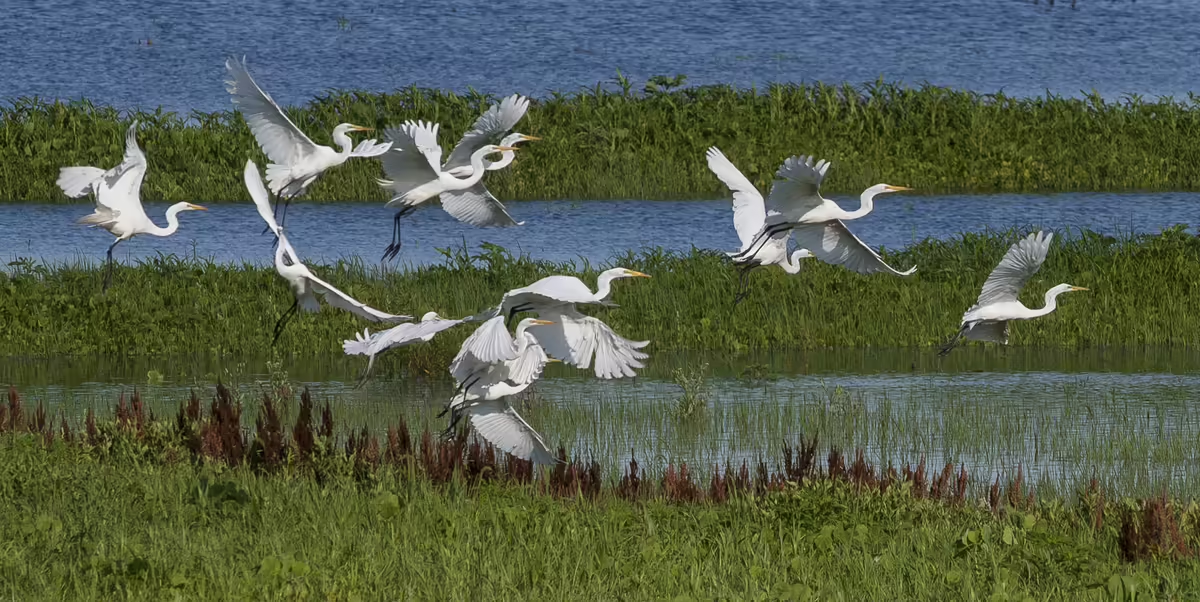
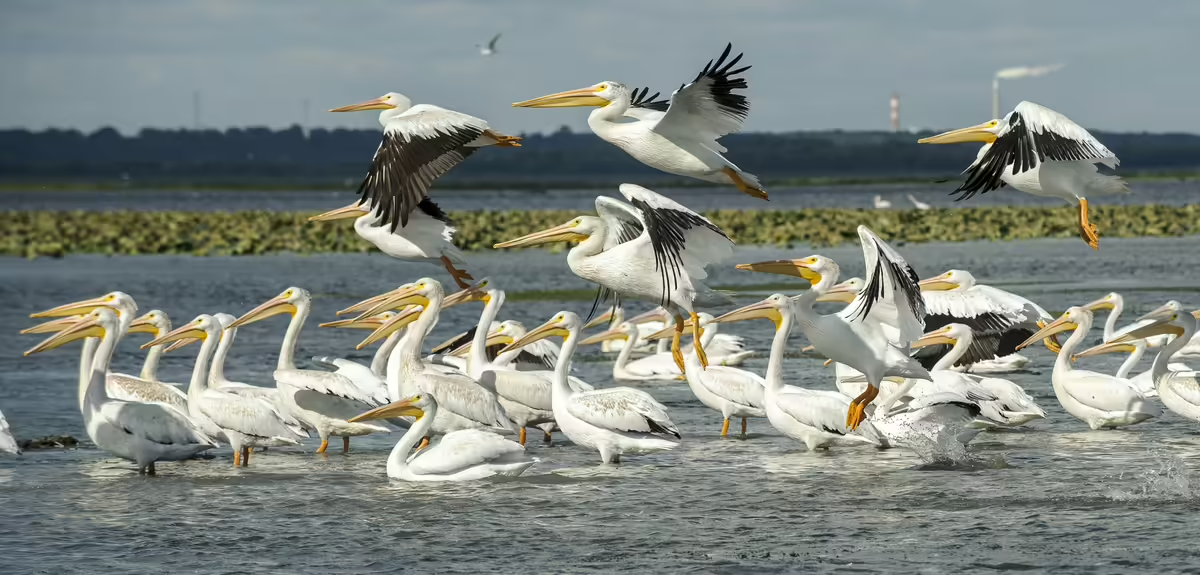
Biodiversity is a high priority at The Nature Conservancy, and managing invasive species has become a central part of Emiquon’s long-term restoration story. These efforts help protect prairie, forest, and wetland habitats that provide critical resources for pollinators, nesting birds, native fish nurseries, and diverse aquatic plants, many of which have been lost over the past century.
Through ongoing monitoring, research partnerships, and adaptive management, scientists and land stewards are working to understand which species pose the greatest risks, when populations cross ecological thresholds, and how different management tools — from adjusting water levels to targeted removals — can safeguard native biodiversity and the resources that are important for natural communities and people. The lessons learned at Emiquon can help inform invasive species management not only here, but across restored floodplain systems in the Midwest.
Learn more
- Emiquon from the Nature Conservancy
- Emiquon National Wildlife Refuge from the U.S. Fish & Wildlife Service
- Emiquon Facebook
About Everyday Environment
Everyday Environment is a series of blogs, podcasts, webinars, and videos exploring the intricate web of connections that tie us to the natural world.
Was there something about this blog's topic we didn’t cover? See something cool in nature? Let us know! Hit "Connect with Us" below to send us your question or share your everyday nature observation with and we may share it in a future blog or podcast.