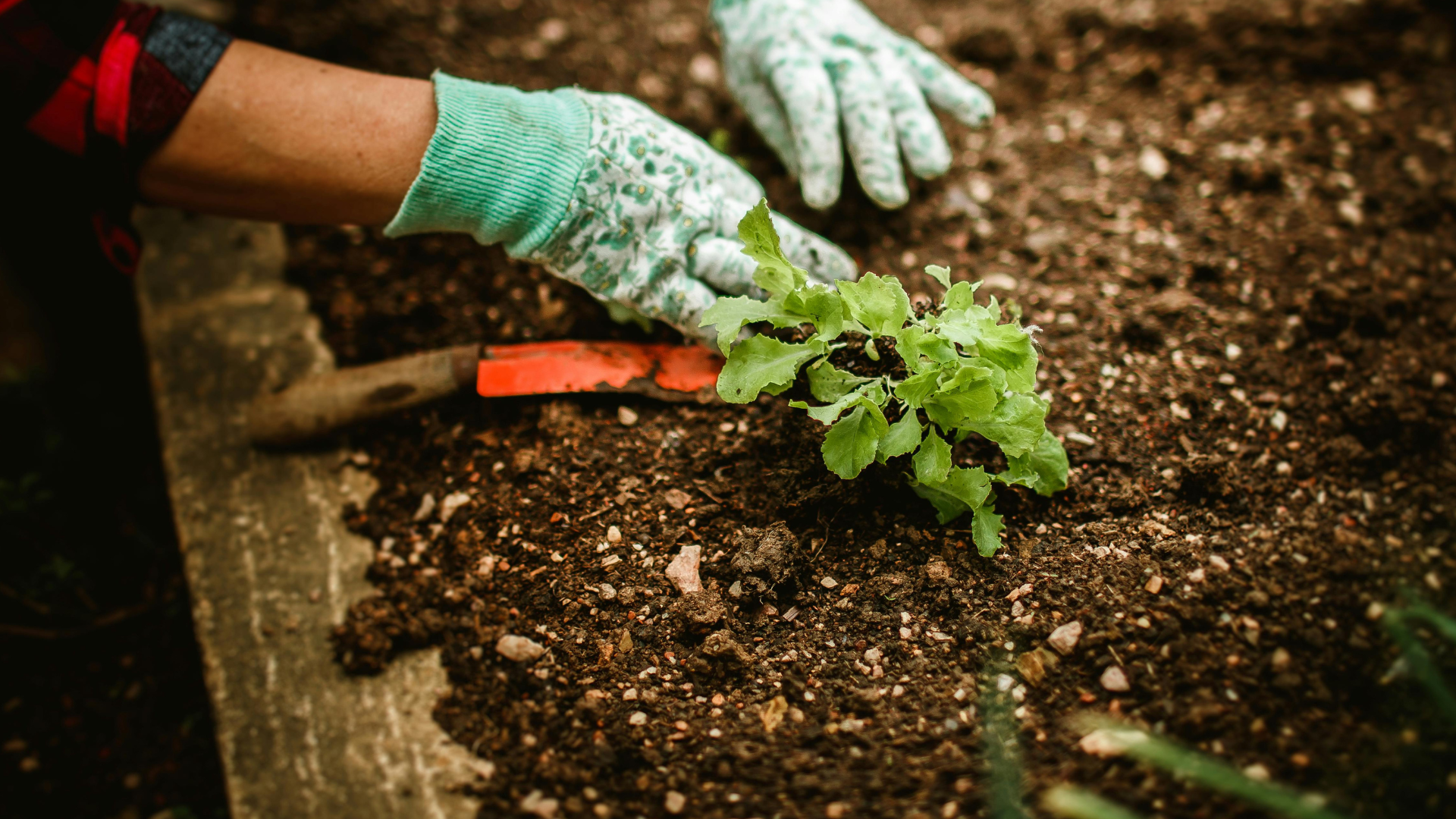
The New Year brings fresh traditions, opportunities, and resolutions. For gardeners, it also signals the start of a new growing season. Why not set a few personal gardening resolutions to become a more sustainable and successful gardener? Here are some ideas for one gardener to another.
Improve plant care practices such as watering, fertilizing, pruning, and deadheading. While these tasks can feel time-consuming during peak summer, they pay off with healthier plants, more prolific blooms, and bigger harvests. Set reminders on your calendar or create a monthly care schedule to stay on track. If consistent watering is a challenge, consider drip irrigation or soaker hoses. Take time to research your plants online for any seasonal care tips or specific requirements. Remember—very few plants thrive on neglect!
Incorporate edible plants in containers and landscape. You don’t need a large garden or raised bed to grow edible crops like vegetables, fruits, and herbs. Edible landscaping is the practice of incorporating these food-producing plants into existing landscapes or containers. Many edible plants are just as attractive as ornamental ones—bringing both beauty and function to your garden!
Start composting. Composting kitchen scraps and garden waste helps reduce landfill waste while creating a nutrient-rich product for your garden and landscape. To maintain a healthy compost pile, aim for a good balance of browns (carbon), such as leaves, straw, and paper, and greens (nitrogen), like food scraps and fresh grass clippings. A 3:1 ratio of browns to greens works best, along with air, moisture, and occasional turning to heat the pile enough for decomposition. There are many composting options to fit your space and lifestyle: Backyard composting with a pile or bin; Collection services that allow you to drop off your compostable waste; Vermicomposting, which uses worms to break down food waste.
Plant a pollinator garden. Over 80% of flowering plants rely on small but busy pollinators like bees and butterflies. To support them, plant a variety of nectar-rich flowers. Different pollinators are attracted to different blooms and are active at different times of the year, so a diverse garden ensures food throughout the season. Include both annuals and perennials that bloom from spring through fall, with overlapping flowering periods for continuous support. Whenever possible, incorporate native plants. They are well-adapted to our region, require minimal care, and provide excellent sources of nectar and pollen. Just like us, pollinators need food, shelter, and water to thrive.
No matter what type of gardening you choose in 2026, savor the experience. Don’t be too hard on yourself if something doesn’t grow as planned. Remember, every effort you make is good for both your soul and the Earth. Be patient—gardening takes time. On this chilly winter day, grab a pencil and paper, and maybe a gardening magazine or two, and start planning a few garden-related resolutions for the year ahead. By setting some of these gardening resolutions, you can start the new year with a fresh and focused approach to your outdoor space. Happy gardening and happy new year!