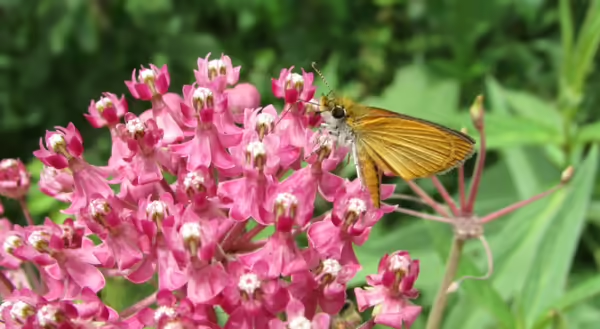
Happy National Pollinator Week! This week especially we focus on the importance of pollinators in our local ecosystems and our role in supporting them.
Many of the plants that come to mind when we think of supporting pollinators are ones with beautiful blooms, like milkweeds, asters, coneflowers, spring ephemerals, and so on. But some of our native grasses play an important role for one group of pollinators – the skipper butterflies.
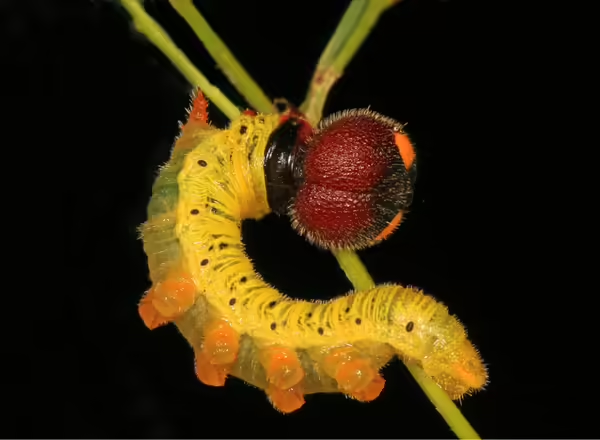
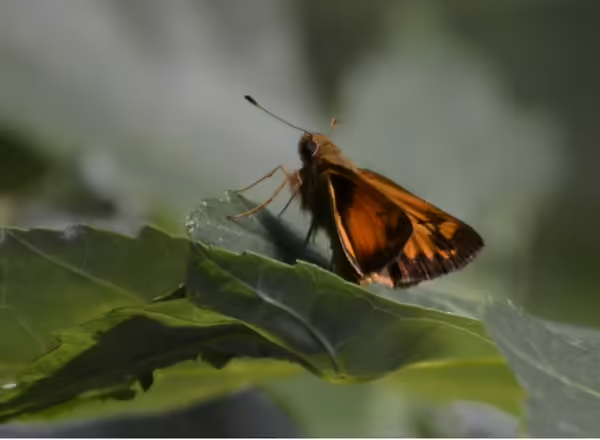
Skipper butterflies get their name because of the way they fly, since they appear to skip through the air. Skipper caterpillars have a unique characteristic – their very large heads! I’ve yet to see one in person but there are some amazing photos that showcase the disproportionate size of their heads. There are a couple of groups of skippers – grass skippers and spread-wing skippers. You can identify a skipper based on its skipping flight pattern, small size, and slightly curved, club-tipped antennae. The grass skippers typically hold their wings in a v-shape when they land, whereas the spread-wing skippers hold their wings flat.
The grass skipper caterpillars feed on native grasses to get the nutrition they need to molt and pupate. They feed at night and hide in rolled up leaves, making them very elusive in the caterpillar stage. As adults the grass skippers will visit flowers for nectar.
Supporting the skippers
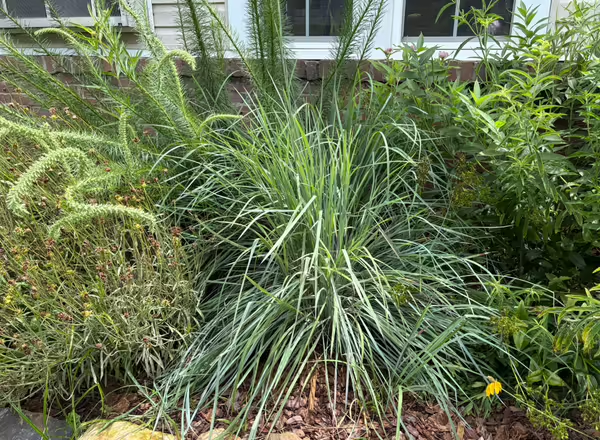
Adding grasses into your pollinator gardens not only provides a food source for skipper caterpillars, but also comes with other benefits like increasing root competition, providing cover and habitat for other insects and wildlife, and more. Check out my previous blog “Role of grasses in a pollinator garden” to learn more.
Skippers have been recorded feeding on these grasses, so consider adding them into your landscape:
- Little Bluestem
- Side Oats Grama and Blue Grama
- Lovegrass
- Poverty Oat Grass
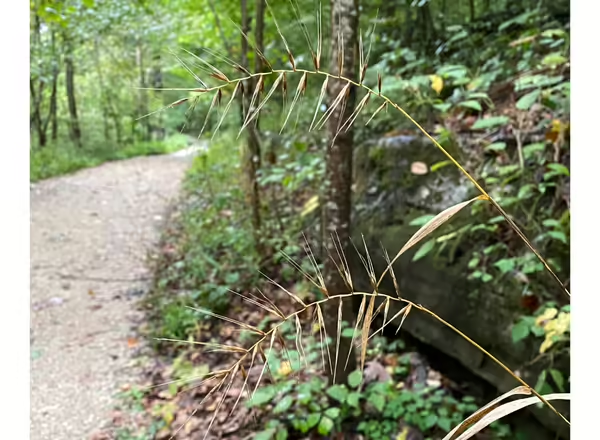
- Panic grasses in the Dichanthelium genus like Scribner's Panic Grass and those in the Panicum genus like Switchgrass
- Wild ryes in the Elymus genus
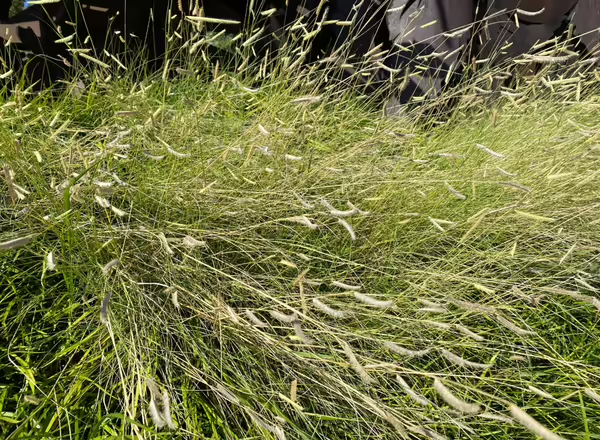
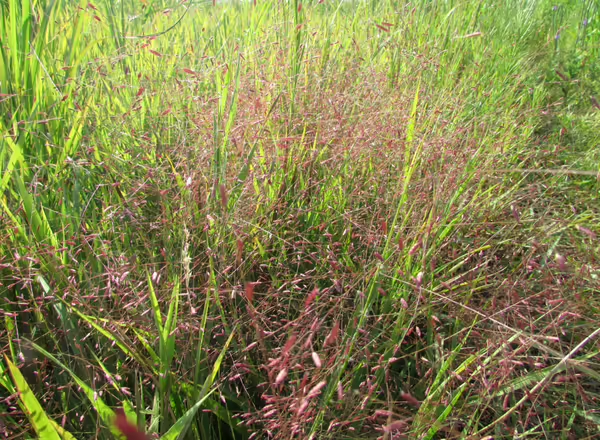
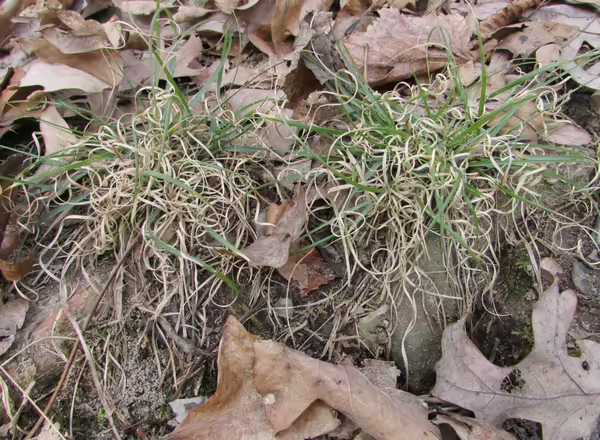
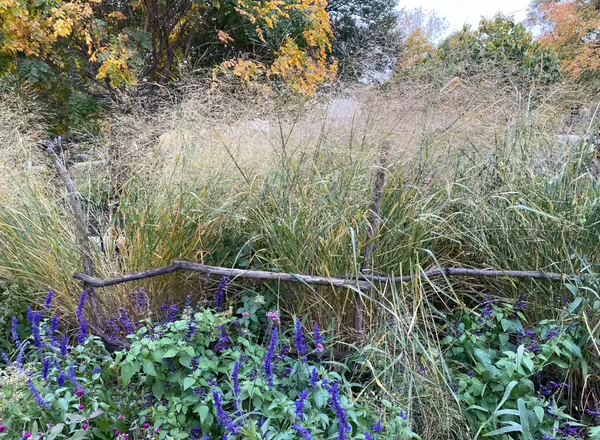
Sources:
- Skippers - Missouri Department of Conservation
- Plant-Feeding Insect Database - Illinois Wildflowers
- Caterpillars of Eastern North America by David Wagner
About Grasses at a Glance
Never miss a new post! Subscribe to our email list to get updates each time a new post is available.
Give us feedback! How helpful was this information (click one): Very helpful | Somewhat helpful | Not very helpful
ABOUT THE AUTHOR: Erin Garrett is a Natural Resources, Environment, and Energy Educator for University of Illinois Extension serving Alexander, Johnson, Massac, Pulaski, and Union counties. Erin develops and delivers high impact programming to adults and youth to help them develop an appreciation for natural resources and to empower them to make small changes to positively impact the environment. Erin’s programming focuses on why homeowners should consider choosing native plants, how to support native pollinators, how to identify grasses, how to identify and manage invasive species, and developing an appreciation for prairie ecosystems.