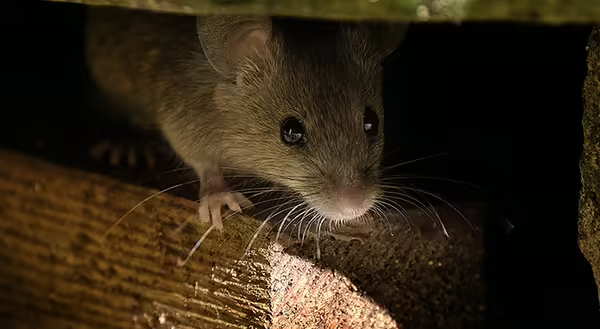
Rustling in the walls. The patter of little feet racing through the attic. Cereal spilling out of a hole chewed in the box. These are all signs you might have mice taking up residence in your home. It could be the non-native house mouse (Mus musculus), an invader from Europe that associates with humans, but sometimes native species like the white-footed mouse or deer mouse (Peromyscus spp.) will also come into our homes. Especially during cold Illinois winters, mice will take advantage of buildings for shelter.
Along with being a nuisance, mice can spread viruses, bacteria, and allergens in their urine and droppings. With humanity’s growing urban footprint, plus a changing climate modifying natural landscapes, these issues are expected to worsen. So, what can you do?
Signs of mice
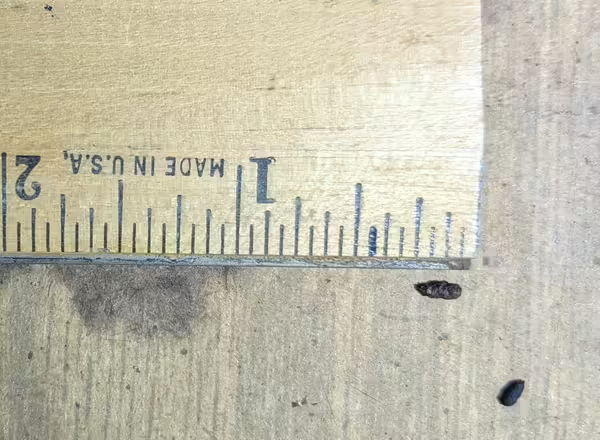
How do you know if you have mice in your home? One of the major telltale signs is hearing them, especially shortly after dark or early in the morning. You may hear scratching, scurrying, or chewing sounds from walls or ceilings. Finding droppings or smelling urine is another common sign that you may have mice. Droppings about the size of a grain of rice are likely from a mouse. Bat droppings are similar in size but will usually be concentrated in one place whereas mice scatter their droppings as they scurry about. You might also notice holes and gnaw marks on walls, foodstuffs, cardboard, trash cans, and other places. Torn up nesting material like paper, upholstery, and fabric could also indicate that a rodent is present.
Prevent mice from moving in!
The easiest way to deal with mice in the home is to prevent them entering in the first place. There are several steps you can take to make your home less attractive and harder to access.
Make Your Space Less Attractive to Mice
Prevent your home from being a source of food by keeping food sealed and in high cabinets with no access for mice (check for holes). Clean up kitchen scraps, crumbs and spills, dirty dishes, and pet food. Mice are great climbers, so use a trashcan with a tight lid. Avoid leaky faucets and don’t leave open containers of water out overnight where mice are active.
Outside the house, it’s important to understand that rodents are reluctant to cross open spaces. Trim vegetation around the house and keep debris away from outside walls. While leaving piles of debris outside is good for birds, be aware that any type of yard pile (wood, bricks, tires) can create shelter for mice. If you think you may have mice inside your house, take down bird feeders to avoid accidental feeding.
Seal possible entrances
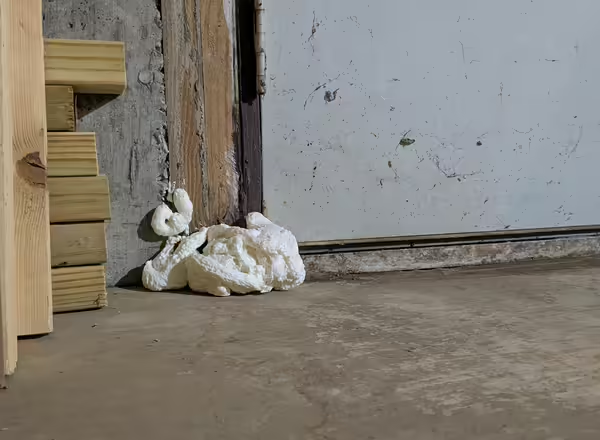
Mice can squeeze through very small openings, so anything about ½ inch or larger should be covered or sealed. Focus especially on attics, basements, and crawlspaces. Rodents prefer nesting in places that are dark, warm, and less disturbed by people. Use window screens and ensure they have no holes. Exterior and garage doors should have weather stripping or bristle-strips/door sweeps to seal openings.
Mice will chew through many common materials. Using metal, steel wool, hardware cloth, putty, or expandable foam is recommended when sealing cracks and holes in walls, including around pipes. If you rent, report cracks and holes to your landlord. Local laws may require landlords to address these concerns to prevent pests. You can also fill gaps with steel wool for renter-friendly rodent prevention.
Mice love cars, too!
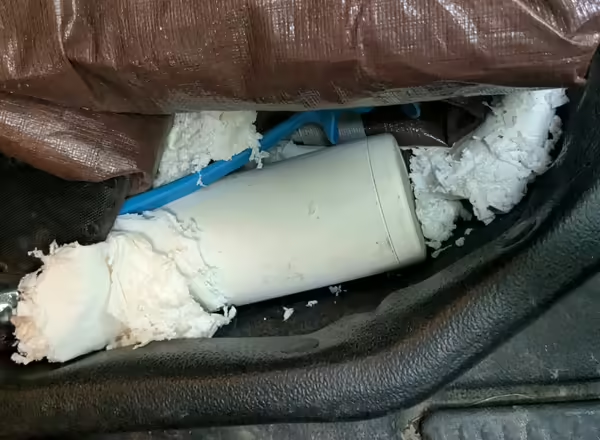
Vehicles are attractive to mice, which can cause substantial and expensive damage by chewing wires and tubes, damaging upholstery, and filling vital parts with nesting material. You may notice droppings, smell an odor, or, unfortunately, only find out after visible damage or a mechanical failure. Preventing mice in your car follows the same principles as preventing them in your home: reduce access and remove food.
- Use your car often. Moving your vehicle a lot will discourage mice from taking up residence and may be one of the most effective preventative measures.
- Park away from possible food sources, such as dumpsters or gardens, and nesting material, such as newspaper and cardboard boxes. If possible, park in a sealed garage to prevent easy access.
- Keep your car clean, especially of food wrappers.
Non-Lethal Control
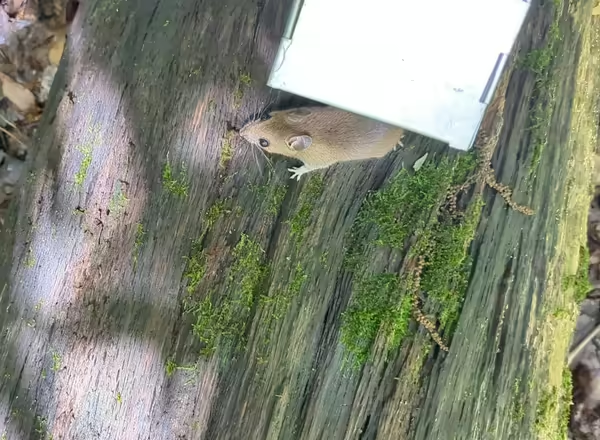
If you see signs that mice have taken up residence in your home or car, it’s important for your health to remove them. Baited live traps can be used to catch and release mice, but be sure to let them go far away from your home (several miles if possible!) as mice will return to a cozy nest. If setting live traps, remember to check them often. Another non-lethal method is the use of natural or chemical repellents, but it’s unclear how effective they are. Using repellents may be more appropriate as a preventative measure to keep mice out of small spaces, or along with other controls.

Lethal Control
In many cases, non-lethal methods are not sufficient. If you rent, document all signs and sightings of rodents in detail and report them promptly to your landlord. Local laws likely require the landlord to provide pest control services. If you’re dealing with mice on your own, consider using snap traps. Well-designed snap traps are quick and humane. Check traps at least once a day and be sure they’re out of reach of children and pets. This will improve the effectiveness, sanitation, and humaneness of trapping.
Remember that mice are seeking food and shelter, so take measures to prevent them from finding that in your home. Prevention and humane controls are the best ways to help humans and wildlife coexist.
This blog was written in collaboration with guest author Nicole Dobrosky, an NRES graduate student.
References:
- Colvin, B. A., & Jackson, W. B. (1999). 11. Urban Rodent Control Programs for the 21st Century.
- Hansen, S.C., Stolter, C., Imholt, C. et al. (2016). Plant Secondary Metabolites as Rodent Repellents: a Systematic Review. J Chem Ecol 42, 970–983. https://doi.org/10.1007/s10886-016-0760-5
- Lambert, M. S., Quy, R. J., Smith, R. H., & Cowan, D. P. (2008). The effect of habitat management on home‐range size and survival of rural Norway rat populations. Journal of Applied Ecology, 45(6), 1753-1761.
- Mason, G., & Littin, K. E. (2003). The Humaneness of Rodent Pest Control. Animal Welfare, 12(1), 1–37. doi:10.1017/S0962728600025355
- https://www.cdc.gov/healthy-pets/rodent-control/index.html