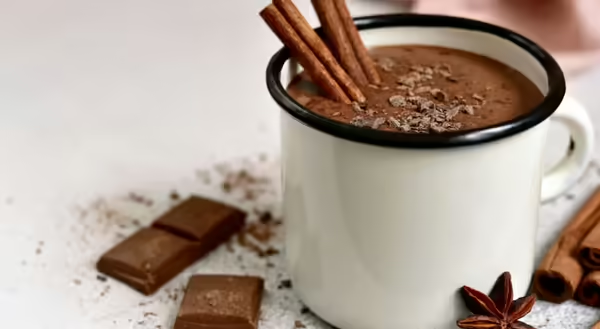
Hot Chocolate Day is January 31, inviting us to appreciate the plants and traditions that make this beverage possible. While hot chocolate feels like a simple winter comfort, its story includes an array of flavorful plants starting with chocolate and adding herbs and spices.
Hot cocoa and hot chocolate are terms that we often use interchangeably. Technically, hot cocoa and hot chocolate are different because the form of chocolate used in their preparation differs. Hot cocoa is made with cocoa powder. Hot chocolate is made from melting chocolate bars into cream or your favorite milk.
Let’s look at the origins of hot chocolate, from the cacao tree to the botanicals that provide a wide variety of flavors.
A Sip of History: From Traditional Drink to Modern Comfort
For much of history, “chocolate” meant a beverage, not a bar. Today, hot chocolate continues to evolve. Traditional recipes to healthy homemade variations include ingredients such as raw cacao, natural sweeteners, and spices, which add character and depth while honoring chocolate’s botanical roots.
Theobroma cacao: The Tree Behind the Treat
All chocolate begins with the cacao tree (Theobroma cacao), which is native to the tropical rainforests of Central and South America. Early cultures, including the Olmec, Maya, and Aztec, domesticated and cultivated cacao thousands of years ago. Beans were processed into a rich beverage that is very different than today’s hot chocolate.
In the 1500s, cacao reached Europe. At that time, it was sweetened and served warm. The drink spread through chocolate houses and elite social circles, becoming increasingly refined.
Now, we think of a sweetened, warm beverage. Hot chocolate is made by melting chocolate into warm cream or milk, adding a sweetener of your choice, and using other botanical add-ins to create your own perfect hot chocolate.
Sweetness from the Crops That Flavor Your Cup
Hot chocolate’s signature sweetness usually comes from one of two plants:
Sugarcane (Saccharum officinarum)
A tall tropical grass cultivated in warm climates. Historically linked to global trade and still one of the world’s major sweetener crops.
Sugar beet (Beta vulgaris)
A temperate-climate root crop that emerged as a major sugar source in the 19th century and continues to support regional agricultural economies across the U.S. and Europe.
Though processed differently, both deliver the sweetness that balances cocoa’s natural bitterness—an important step that shaped European-style hot chocolate beginning in the 1500s.
Flavorful Botanical Add‑Ins
Hot chocolate pairs beautifully with other flavorful plants.
Peppermint (Mentha × piperita)
An easy-to-grow herb. A single sprig or drop of peppermint extract adds cooling freshness to hot chocolate.
Cinnamon (Cinnamomum spp.)
Harvested from the inner bark of tropical trees. Cinnamon has been paired with cacao since ancient Mesoamerican preparations and remains a favorite today.
Vanilla (Vanilla planifolia)
A tropical orchid whose cured pods provide unmistakable flavor and sweetness. Vanilla is labor-intensive to produce, but the distinctive flavor profile makes it an important flavoring worldwide.
Chili Peppers (Capsicum spp.)
Traditional Aztec chocolate drinks often incorporated spices and heat. A pinch of chili powder creates a bold, memorable cup that echoes chocolate’s origins.
Make‑At‑Home Chocolate: A Simple Recipe with Botanical Flair
Servings: ~4
Ingredients
- 3 cups milk of choice
- 1 Tbsp honey
- ¼ tsp peppermint extract or 1 peppermint stick
- ¼ tsp vanilla extract
- ¼ cup semisweet chocolate chips (melted into the milk)
- Pinch of kosher salt (optional)
Directions
- Heat the milk in a small saucepan over medium‑high heat until it steams.
- Remove from heat and whisk in honey, peppermint, vanilla, a pinch of salt (optional), and chocolate chips until smooth.
- Pour into mugs. Optional garnish: whipped topping or a peppermint stick.
If you’d prefer a non‑mint version for the main recipe, omit peppermint and add a cinnamon stick while heating the milk; remove before serving. Check out the original recipe for this and other warm beverages.
A Cup Filled With Natural Connections
Hot chocolate may seem like a simple comfort drink, but the plants behind it—cacao, sugarcane, sugar beets, peppermint, cinnamon, vanilla, chili peppers—connect you to plants from around the world.
Enjoy a warm and wonderful Hot Chocolate Day!