By Sarah Smith, Master Gardener and Naturalist, serving Fulton, Mason, Peoria, and Tazewell counties
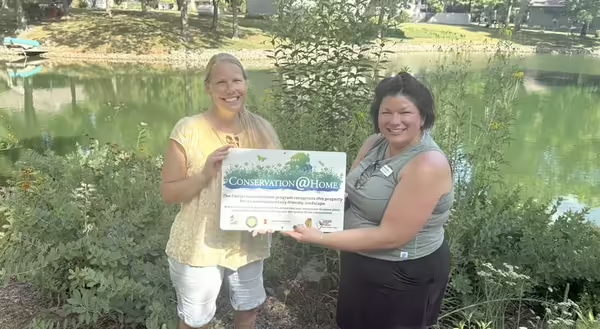
In 2018, Lynda and her husband Jeff moved into their current home and set to work on taking care of their almost 2-acre property that sits on a small lake, surrounded by other homes. Encouraged by her neighbor, friend, and Master Gardener, Michelene Koch, in 2019, Lynda became an Illinois Extension Master Gardener. One of her first projects as an intern was a pollinator garden at Peoria Zoo. It was there that she was first introduced to native plants and their benefits by fellow Master Gardener May Bach. Lynda credits May with cultivating her knowledge and curiosity for native plants. As for the Conservation@Home program, Lynda heard about the program through Extension and was inspired by Ellen Denler’s enthusiasm for native plants and the principles of C@H, so she decided to get involved and incorporate the concepts into her home landscape. By July 2025, she was ready to have her yard evaluated and certified. Then in the fall, Lynda embarked on Master Naturalist training to enhance her knowledge of the natural world and conservation education.
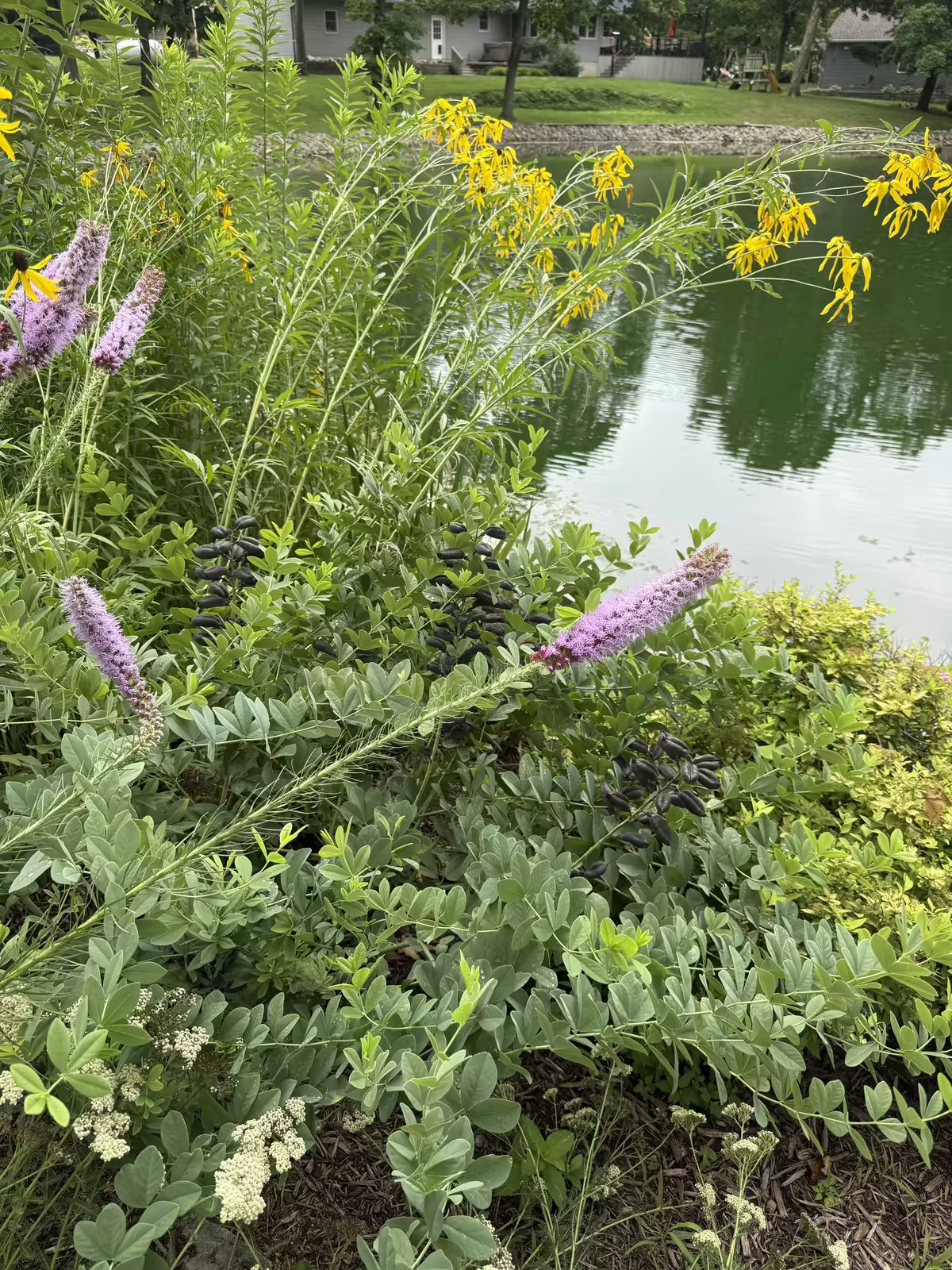
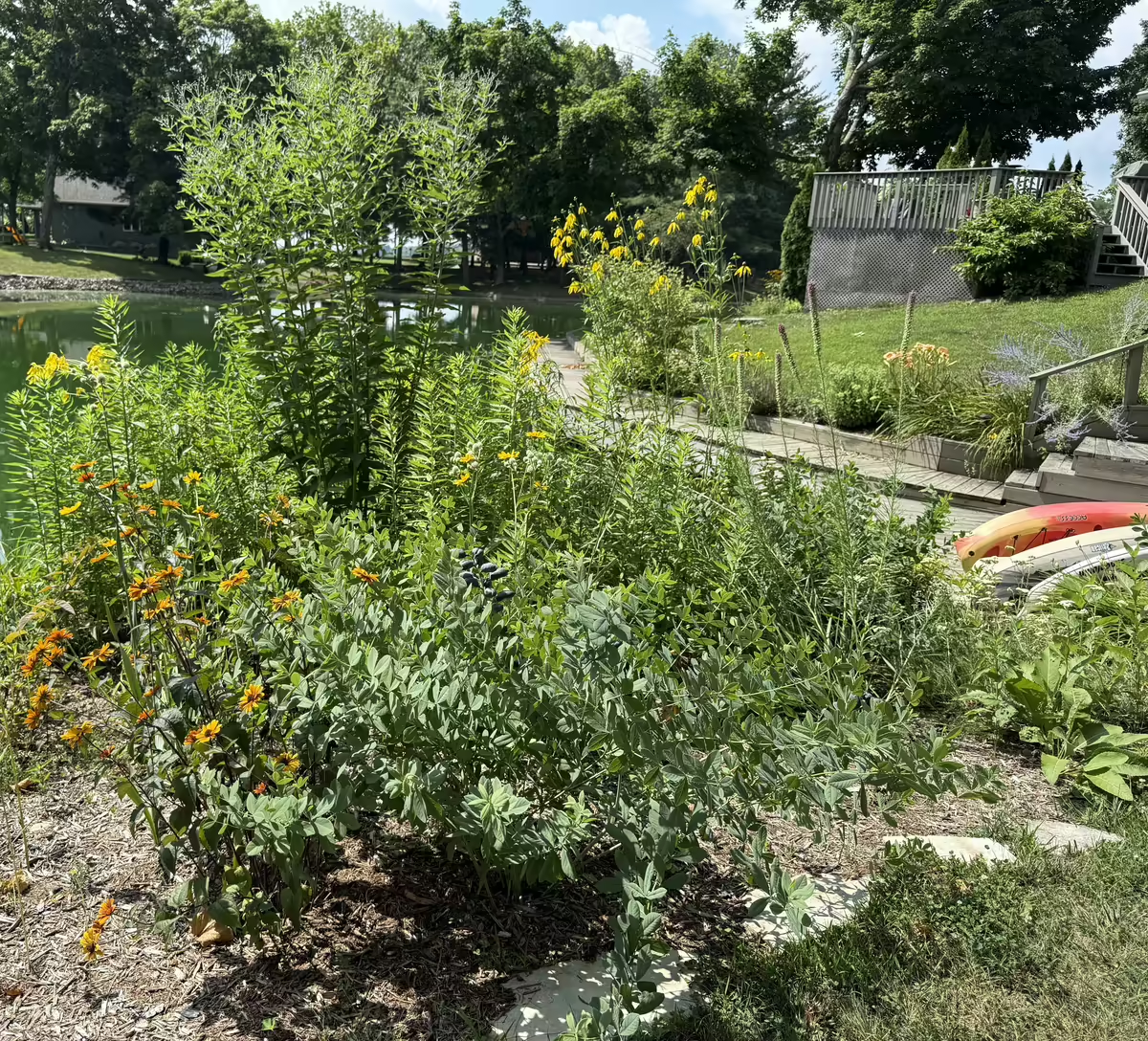
At the start, their yard consisted of mostly lawn, highlighted by landscaped beds and several mature trees. The beds contained some shrubs and flowers which Lynda has curated to showcase her interests. One of her favorite things is planting sunflowers and leaving them out for the finches. Organically over the last five years, Lynda has incorporated native plants into her home landscape. Lynda stresses the importance of challenging the status quo and embracing the chaos of native plants. Demonstrating that it’s rather easy to do, Lynda has integrated native plants into her existing beds. She still has plants that aren’t natives, because she enjoys them for their other properties, but she now has a trained eye and a different perspective. New wildlife visitors have been a welcome benefit of the new landscape. Undoubtedly, they visit for the park-like setting, the shade of the large trees, a meal from a flower or a feeder or a quick dip in the lake. Last season, 2025 marked the first time she’s seen a monarch caterpillar on the property. In addition to caterpillars and butterflies, Lynda says that the natives have made their yard a host to so many more lightning bugs and a larger variety of insects and birds. She has spotted Northern Flickers, Indigo Bunting and Kingfisher along with a Great Blue Heron stopping over on the lake.
Resuming the previous homeowner’s practice, at first Jeff and Lynda maintained the lawn with chemicals to continue achieving a uniform look free of weeds and dandelions. A practice the couple no longer adheres to. Lynda says one of the main challenges to adjusting was changing their mindset about expectations for their lawn and yard. Once enemy invaders, dandelions and clovers now take up residence with ease. In addition to the elimination of chemicals and the introduction of native plants, they’ve added bird feeders to help supplement food sources in the winter and a rain barrel to help aid in refreshing the containers and beds. Lynda also collects kitchen scraps and composts them to utilize in the garden.
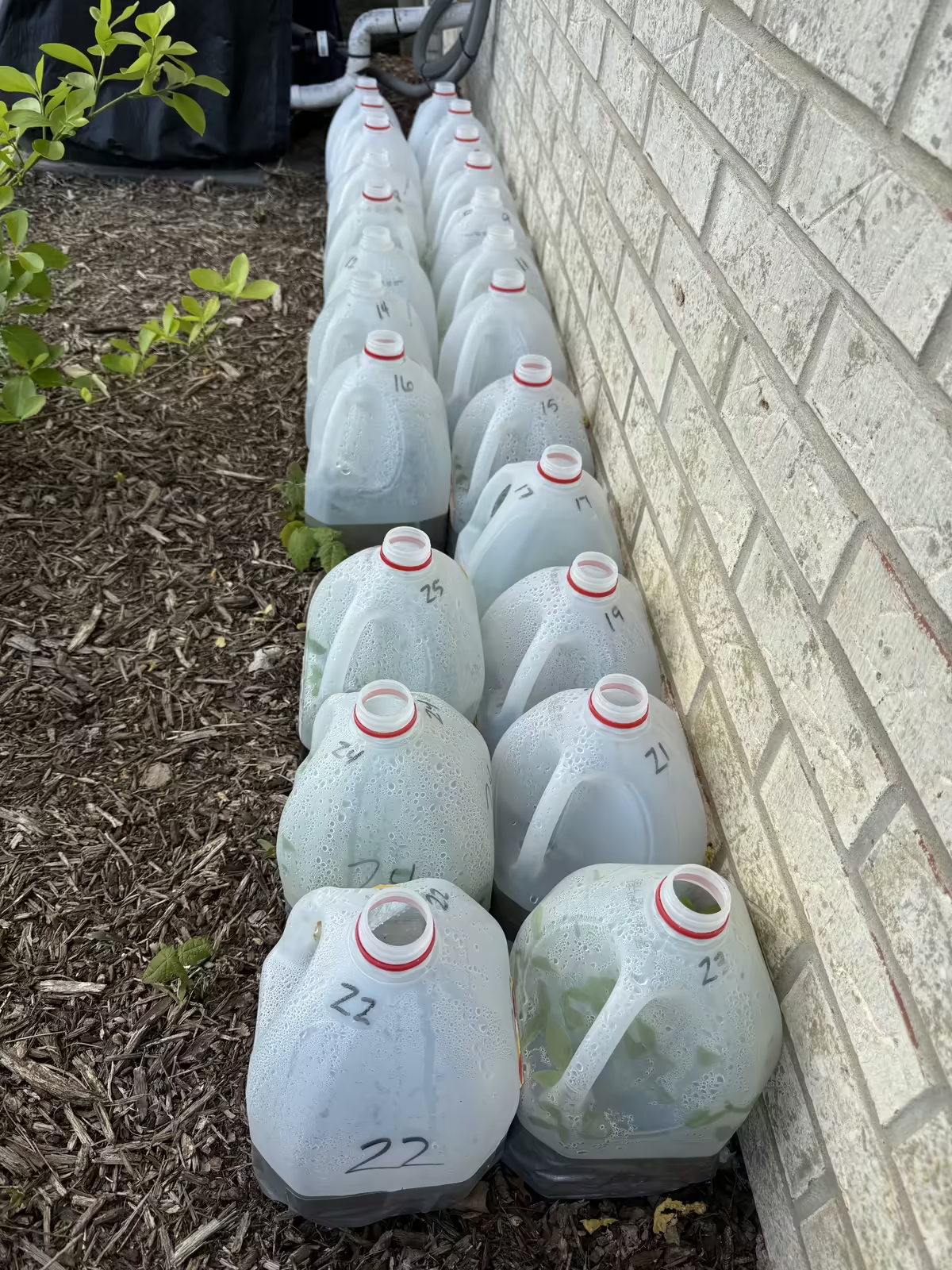
A second challenge has been the sun factor, since natives tend to enjoy more time basking in it and Lynda and Jeff have so many trees, it can often be hard to come by. They have chosen to utilize prime sun areas for new native plantings though, an example being a bed they started on the edge of the lake. Home to some snake visitors, it is also highlighted with some of Lynda’s favorite natives, like Missouri Ironweed. Fall 2025 brought a new 20ft by 30ft site that they hope to develop into a large native bed. Lynda is currently winter sowing seeds saved for this area, another part of the process where she has found joy. The area will house more of what’s done well in their yard and what they enjoy, Missouri Ironweed and more milkweed to entice additional Monarch friends. For future, Lynda says they may research and explore adding more shade loving natives to diversify the areas enveloped by the trees. They are letting their yard evolve over time and adding something new each year. For the long-term goal, Lynda envisions having two raised vegetable beds with a canopy and the rest of the yard encompassed in native plants.
Though their property is part of an HOA, Lynda says they haven’t had resistance from neighbors, mainly because they’ve seamlessly tied the native plants into the existing landscape. Some neighbors have asked questions about what they’re doing, and Lynda has enjoyed sharing and explaining the C@H principles. Others have embraced their shared interests and been very encouraging and generous with sharing their knowledge.
Something that the couple now focuses on together, the new C@H endeavor has given Lynda and Jeff an opportunity to develop their yard with shared enthusiasm and interest, which has been one of the many highlights. On a recent road trip to South Carolina, Lynda was reading Doug Tallamy’s How Can I Help?: Saving Nature with Your Yard and discussing it with Jeff. At one point in the book, Tallamy mentions one of the oldest oaks, the Angel Oak Tree located in John’s Island, SC. Since they were traveling near it, Lynda and Jeff decided to take a day to seek it out and experience its presence first-hand. Another shared experience that has enriched their lives.
What’s Lynda’s advice to those considering native plants and conservation efforts at home? Don’t be afraid, just try it out and keep at it. Talk to your fellow gardeners, Extension volunteers and attend C@H focused events. Be willing to try something new and if something doesn’t work the first year, have patience and try again the second and third year.