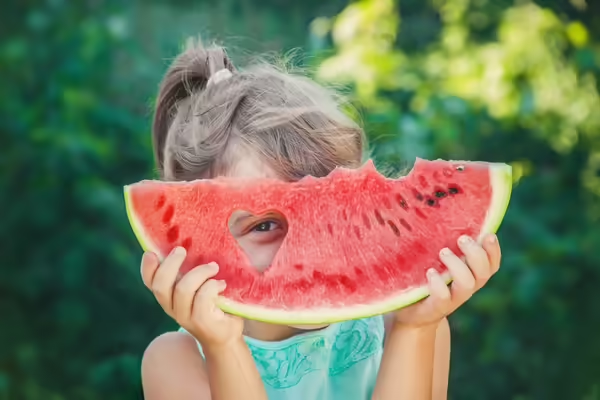
Summer is the perfect time to enjoy fresh, flavorful fruits and vegetables at their peak.
Beyond great taste, choosing seasonal produce can support wellness by boosting hydration, increasing antioxidant intake, and providing a variety of nutrients that help the body thrive during warmer weather. Incorporating a variety of seasonal fruits and vegetables also helps increase intake of vitamins, minerals, fiber, and plant compounds linked to improved heart health, immune function, and reduced risk of chronic disease.
One of the biggest challenges during summer is staying hydrated. While drinking water is essential, many fruits and vegetables can also contribute to fluid intake. Hydrating foods contain water, electrolytes, and nutrients that help support the body's cooling system and maintain energy levels during hot days.
When shopping this season, focus on these four summer food groups:
- Hydrating Melons
Watermelon, cantaloupe, and honeydew are composed of more than 90% water and contain important nutrients such as potassium and vitamin C. These refreshing fruits make a simple snack on their own or can be blended into smoothies, fruit salads, or frozen treats. - Antioxidant-Packed Berries
Strawberries, blueberries, raspberries, and blackberries are rich in fiber, vitamin C, and antioxidants that help protect cells from damage caused by environmental stressors, including sun exposure. Add berries to yogurt parfaits, salads, oatmeal, or infused water for a burst of flavor and nutrition. - Crisp Summer Vegetables
Cucumbers, zucchini, bell peppers, and tomatoes provide hydration, fiber, and a variety of vitamins and minerals. These vegetables are versatile and can be enjoyed fresh, roasted, or grilled. Pair them with homemade dips such as hummus, basil pesto, or yogurt-based tzatziki for a nutritious snack or side dish. - Fresh Herbs and Citrus
Herbs such as basil, mint, cilantro, and parsley add vibrant flavor without excess sodium. Citrus fruits like lemons and limes provide vitamin C and can help make water more appealing. Try adding fresh herbs and citrus to water, salads, grilled vegetables, or fish for a bright flavor boost.
Shopping seasonally may also help stretch your food budget. When produce is in season locally, it is often more abundant, flavorful, and affordable. Farmers' markets, roadside stands, community-supported agriculture (CSA) programs, and home gardens can be excellent sources of fresh summer produce.
This month, challenge yourself to add one or two seasonal fruits or vegetables to your meals and snacks each day. Small changes can add variety to your plate while helping you stay hydrated, nourished, and energized all summer long.
University of Illinois Extension develops educational programs, extends knowledge, and builds partnerships to support people, communities, and their environments as part of the state's land-grant institution. Extension serves as the leading public outreach effort for University of Illinois Urbana-Champaign and the College of Agricultural, Consumer and Environmental Sciences in all 102 Illinois counties through a network of 27 multi-county units and over 500 staff statewide. Extension’s mission is responsive to eight strategic priorities — community, economy, environment, food and agriculture, health, partnerships, technology and discovery, and workforce excellence — that are served through five program areas — 4-H youth development, agriculture and agribusiness, community and economic development, health and community wellness, and natural resources, environment, and energy.