URBANA, Ill. — There is no better way to check in on a crop field than to take a walk down a row. Youth looking to strengthen their agronomy skills or share what they already know can do so while competing with a team at the Youth Crop Scouting Competition with University of Illinois Extension on Aug. 4 in Champaign.
The statewide opportunity is unique for high school students interested in agronomy to work as a team, explore, share their knowledge, and help solve today’s crop-related issues.
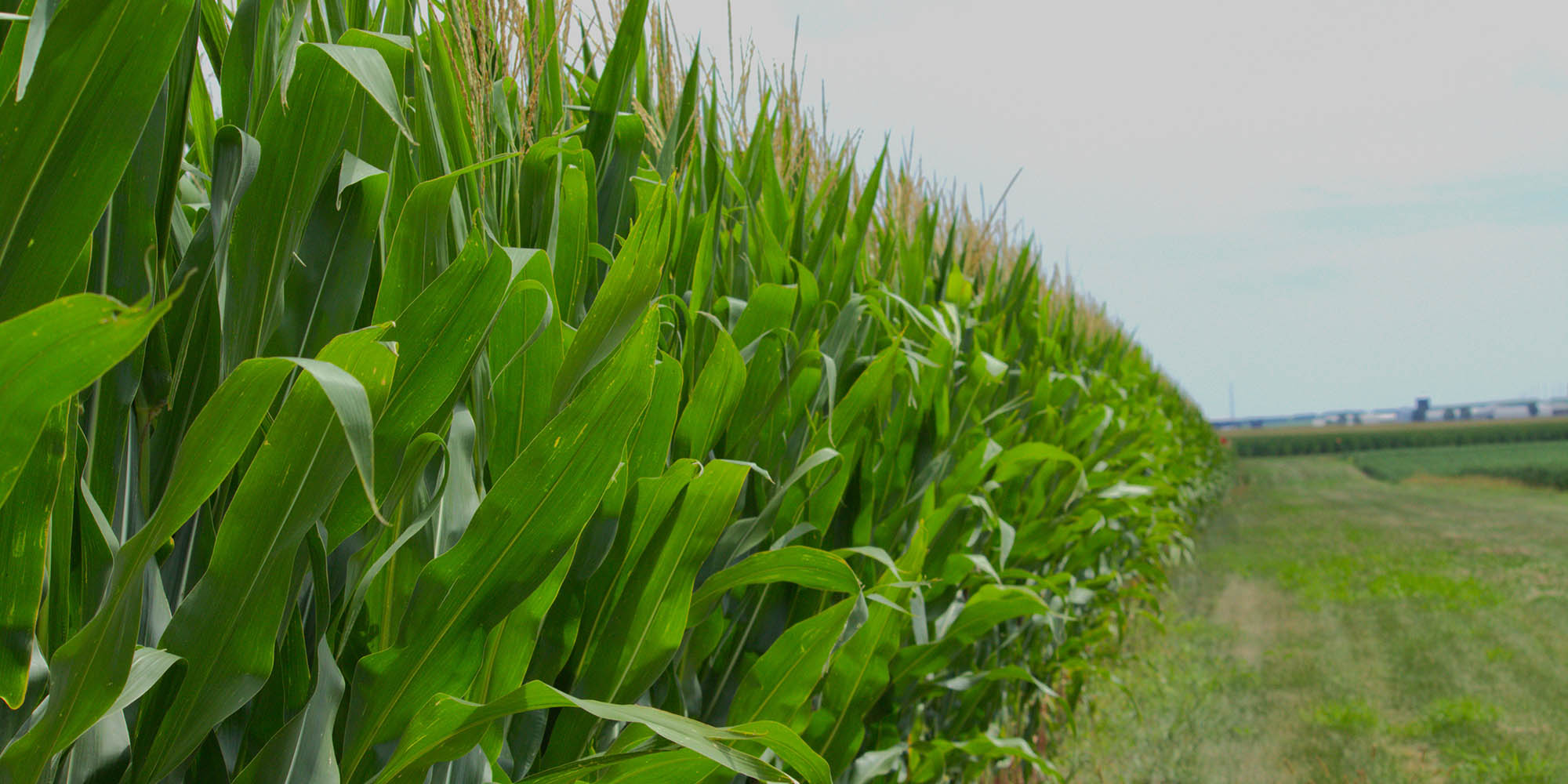
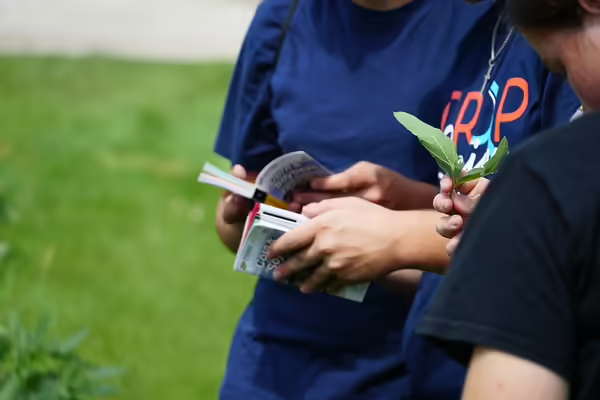
During the daylong contest, teams of high school students rotate through various crop testing stations set up in corn and soybean fields to test their knowledge of topics such as weeds, insects, disease identification, corn and soybean growth stages, abiotic disorders, pesticide application, and integrated pest management.
“While rotating through stations, youth get to handle the crops themselves, ask questions, and have conversations with university researchers and experts from the field,” says Meagan Diss, competition coordinator and commercial agriculture specialist with Illinois Extension. “The competition is built on that foundation and helps youth prepare for a career in agronomy and agriculture.”
Understanding what is happening in today’s farm fields strengthens relationships with growers and supports strategic management decision-making to maximize yield and profit. Students are helping push the future of agriculture forward by participating in competitions through Illinois Extension 4-H and Illinois Association FFA.
University staff will judge the teams to determine results, and the top four teams will win cash prizes sponsored by industry and university partners. The top four teams receive cash prizes of $500, $300, $200, and $100. The top two teams will advance to represent the state at the regional competition hosted in Illinois for the first time on Sept. 12.
“It is exciting to see growth in the youth crops competition garner attention for Illinois to host the regional competition this fall,” says Diss. “It is truly a unique opportunity, and we would love to see all 10 team spots filled for the state contest on Aug. 4.”
The state competition begins at 8:30 a.m. and goes to 1:30 p.m. at the University of Illinois Urbana-Champaign Crop Sciences Research and Education Center, 4202 South First St., Champaign. Team check-in starts at 8 a.m.
The competition is open to high school students completing grades 9 to 12 in the spring of 2026. Official teams include two to five students and an adult coach. Sign-up is encouraged before the end of the current school year, as space is limited to 10 teams.
For event details or to register teams by July 1, visit go.illinois.edu/CropScouting. All teams will be required to provide completed release forms for all members, in physical or digital form, before the competition, or they will not be allowed to participate.
For questions or if you need a reasonable accommodation to participate in this program, contact Meagan Diss at mcdiss@illinois.edu or 217-300-5386. Early requests are strongly encouraged to allow sufficient time to meet access needs.
SOURCE: Meagan Diss, commercial agriculture specialist, Illinois Extension
WRITER: Jenna Braasch, media communications coordinator, Illinois Extension
University of Illinois Extension develops educational programs, extends knowledge, and builds partnerships to support people, communities, and their environments as part of the state's land-grant institution. Extension serves as the leading public outreach effort for University of Illinois Urbana-Champaign and the College of Agricultural, Consumer and Environmental Sciences in all 102 Illinois counties through a network of 27 multi-county units and over 500 staff statewide. Extension’s mission is responsive to eight strategic priorities — community, economy, environment, food and agriculture, health, partnerships, technology and discovery, and workforce excellence — that are served through five program areas — 4-H youth development, agriculture and agribusiness, community and economic development, health and community wellness, and natural resources, environment, and energy.