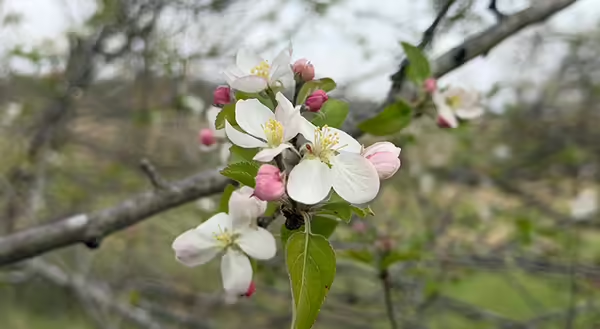
The mid March cold snap brought temperatures in the 18 to 22 degree range across southern Illinois. Double row covers on plasticulture strawberries did not provide enough protection to save flowers from popcorn up to full bloom in maturity. Flowers in tight bud were saved for the most part. As of March 26, the ‘Gold Rush’ apple in my yard was in full bloom and the ‘Pixie Crunch’ beside it was at pink. An interesting observation from a sloped peach planting noted that the flower buds on trees at the bottom of the slope withstood the cold better than those at the top of the slope. At first, this would seem opposite of normal expectations, as the colder air would settle into the lower half of the slope and cause more damage. But with further thought, the lower slope tends to stay colder and lags behind the upper slope in terms of breaking dormancy. The fruit buds on the trees in the lower slope were tighter and able to withstand the cold temperatures better. Hopefully all of the trees will have received just enough natural thinning and still produce a good crop this year. I have heard reports of sweet corn being planted the last few days of March, with soil conditions having enough moisture for germination.
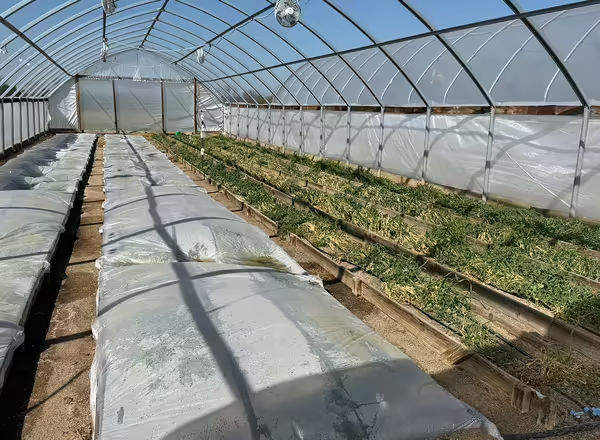
During the storm the first week of March, the plastic over the middle high tunnel was ripped and had to be removed. This is the high tunnel with the overwintering cover crops of spring oats and Austrian winter pea. Before the storm, half of the beds had been covered with additional plastic for solarization and the other half had been scheduled for covering. The storm changed that plan. The cold snap of mid March appears to have set back the spring oats a bit but not enough to terminate. Tomato planting is scheduled to begin on April 6 within this tunnel but first it will need to be reskinned and remove the inside plastic to allow for the cover crops within the whole tunnel to be terminated mechanically.
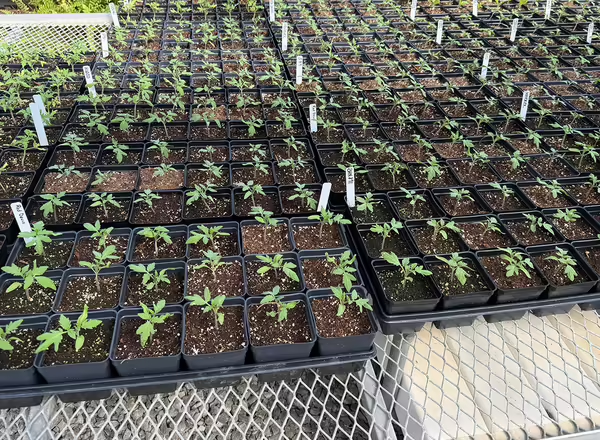
The storm also effected the tomato and pepper transplants as they had to be moved multiple times to different locations to avoid freeze damage due to damage sustained to our greenhouse. Repairs have been made and the transplants have been moved back in and are receiving adequate light and heat. This move seems to have delayed tomato growth a bit but the pepper tranpslants look uniform and on schedule.