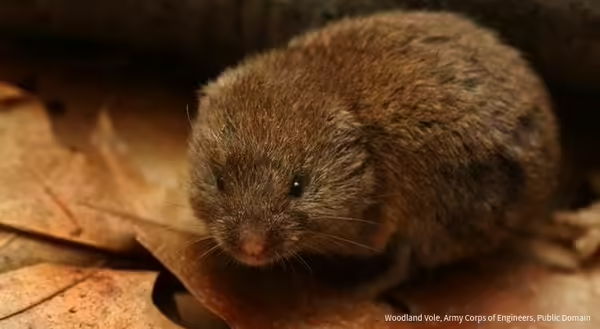
Voles are active in the winter, even if you aren't
While I may not be out in the garden during this time of year, the frozen landscape of Illinois during January still has plenty of life. In fact, there is one animal that toils in the garden all winter, the vole.
What are voles?
Voles are small mouse-like rodents. The easiest way to distinguish them from a mouse is their short, stubby tail. Similar to mice, voles can be found around human habitation, but unlike mice, they are not typically trying to get in our homes.
There are three species of voles found in Illinois: the meadow vole (Microtus pennsylvanicus), prairie vole (Microtus ochrogaster), and woodland vole (Microtus pinetorum). The meadow vole is present in the northern half of Illinois, while the other two species can be found throughout. If you had not already guessed, the species' names are indicative of the habitats in which they are found naturally. Additionally, both the meadow and woodland vole are the most likely to be encountered in a home landscape.
Damage caused by voles
While voles are active all year long, it is in the winter when they seem to get into the most mischief. During the warm growing season, food supply is ample, and voles often roam about unnoticed. However, in the winter, as forage becomes scarce, voles will seek out food that may lead to damage to our lawns, perennials, and small woody plants.
A vole's diet is adaptable depending on available food, but they are primarily herbivores (plant eaters). Voles also act as granivores (seed eaters) and, on occasion, will eat insects, snails, or other small animals when vegetation is scarce.
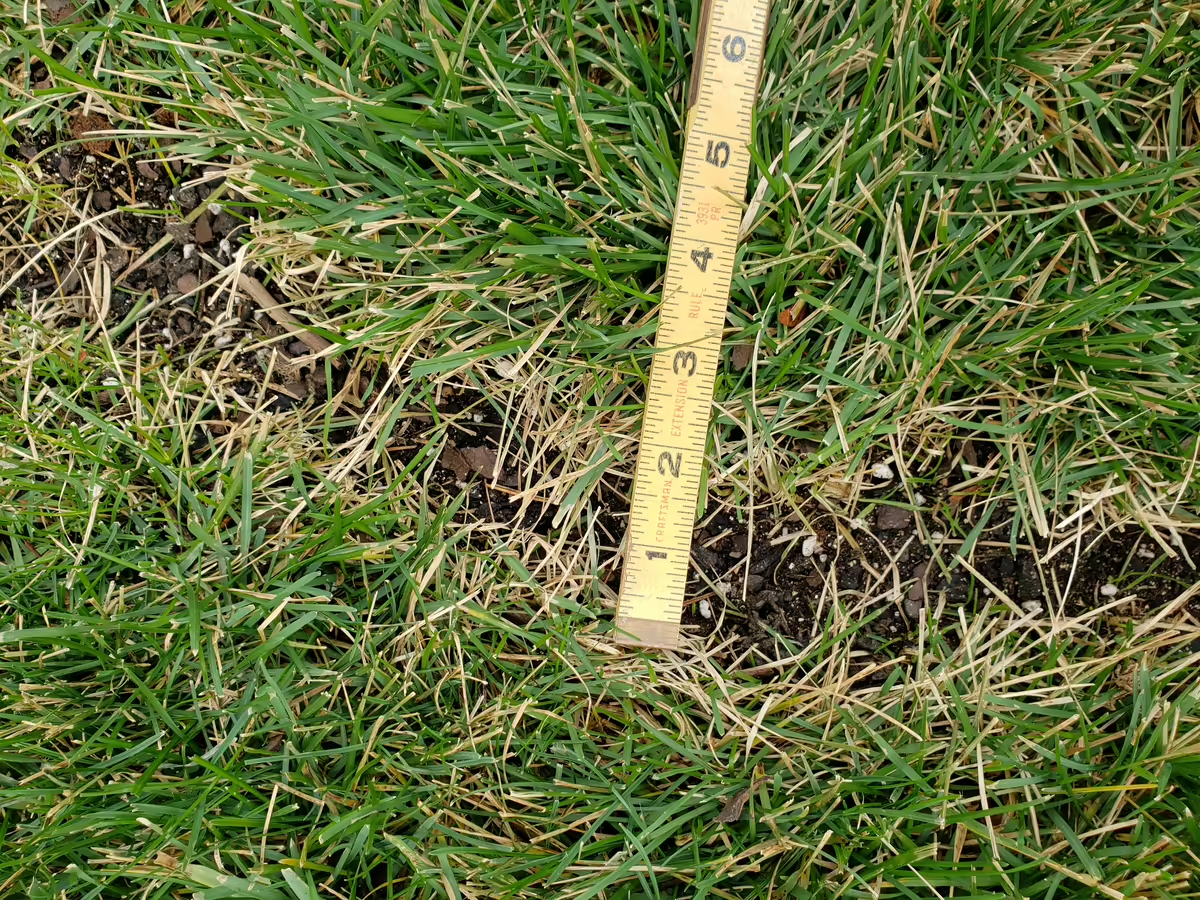
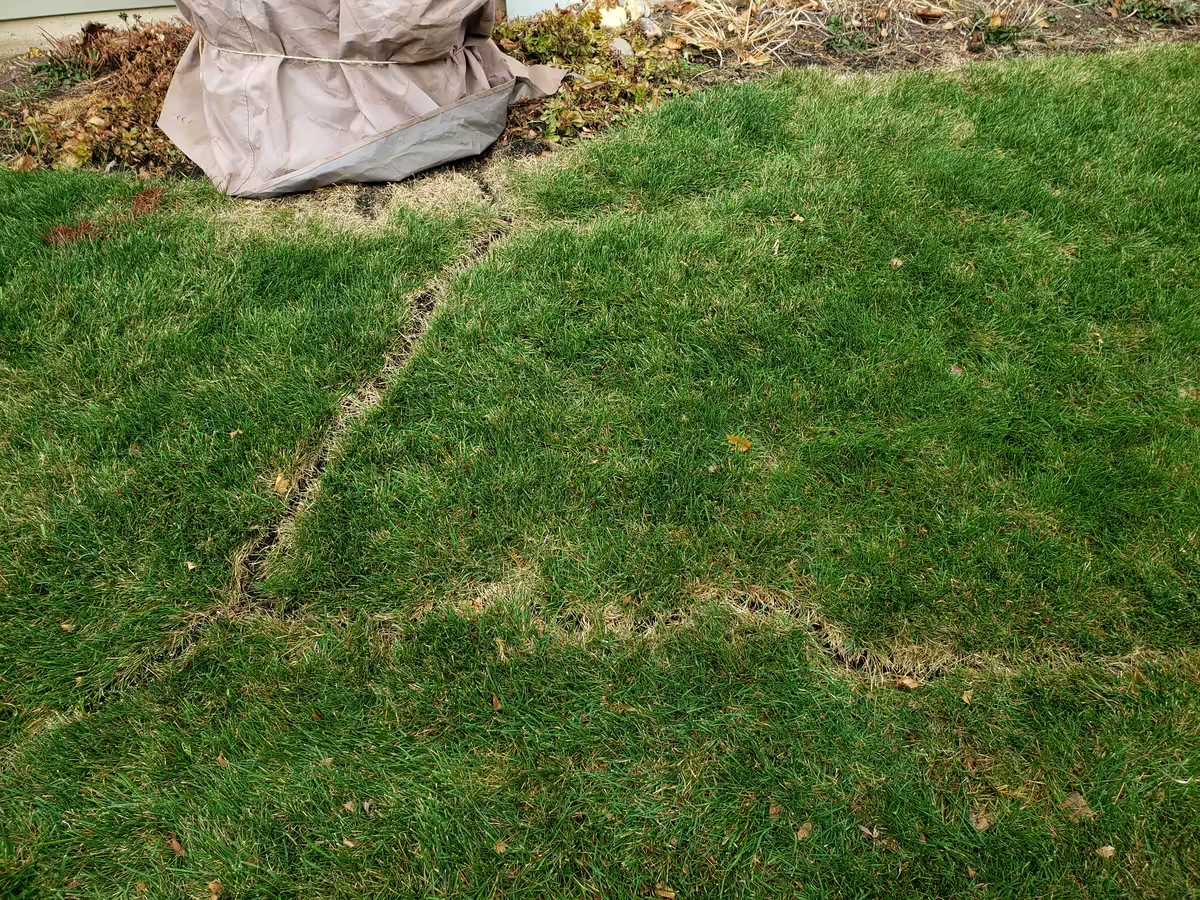
Aided by snow cover in the winter, voles will chew runways across the lawn as they scrounge for food in a home landscape. Melting snow reveals paths of chewed grass from a family of voles. I have never seen such a small critter elicit so much rage from lawn-centric homeowners. If you are upset by the runways created by voles in your lawn, these areas often regrow by the time we reach summer.
More lasting damage can occur at the destination of these chewed-up runways. A freshly planted spring bulb collection of tulips is a welcome meal to a vole in the winter. As is the bark from newly planted shade and fruit trees. I have seen entire peach orchards ravaged by voles as they chewed the bark off at the base of the trunk.
Vole control
There are many methods to control voles, but the tried-and-true techniques are habitat modification and physical exclusion. Keeping grass mowed short reduces food and cover. Leave a three-inch gap between mulch and the base of trees.
Habitat modification
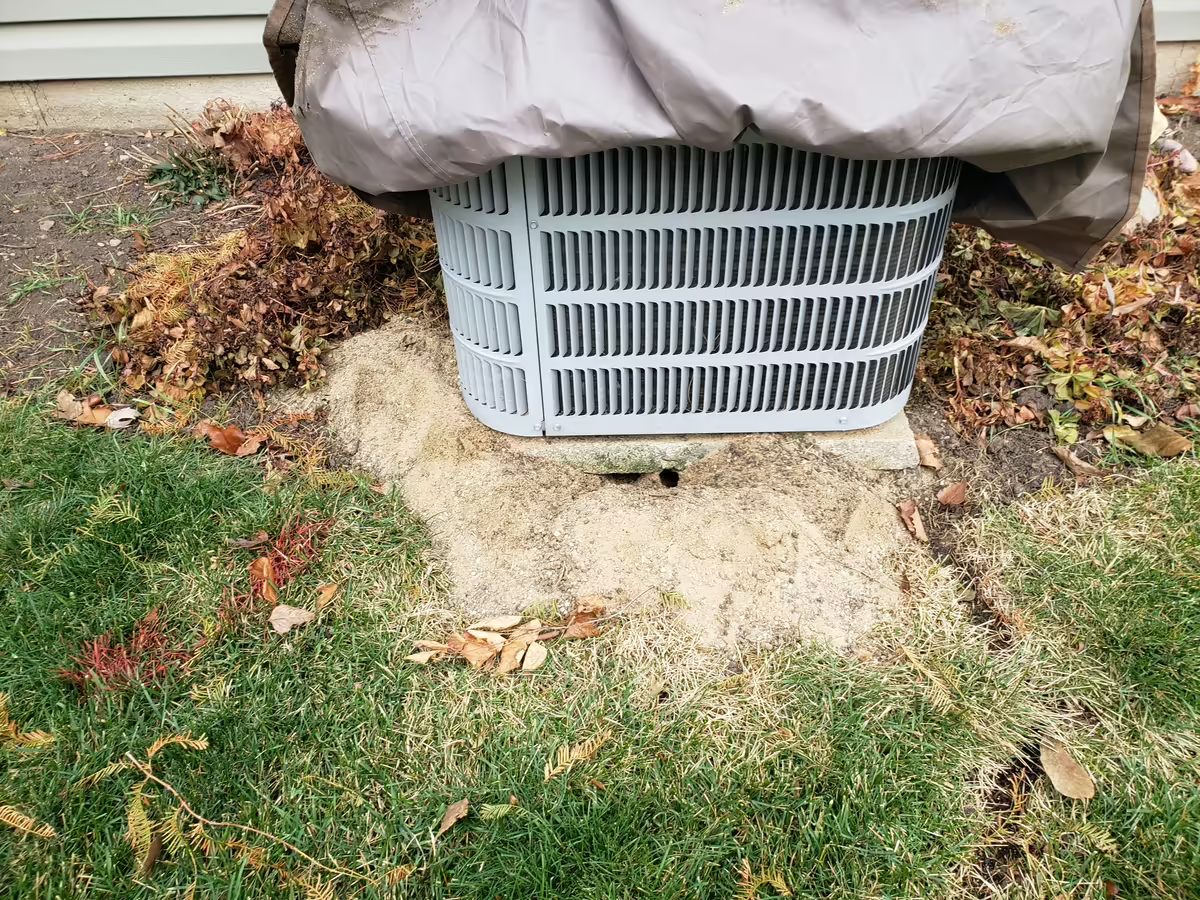
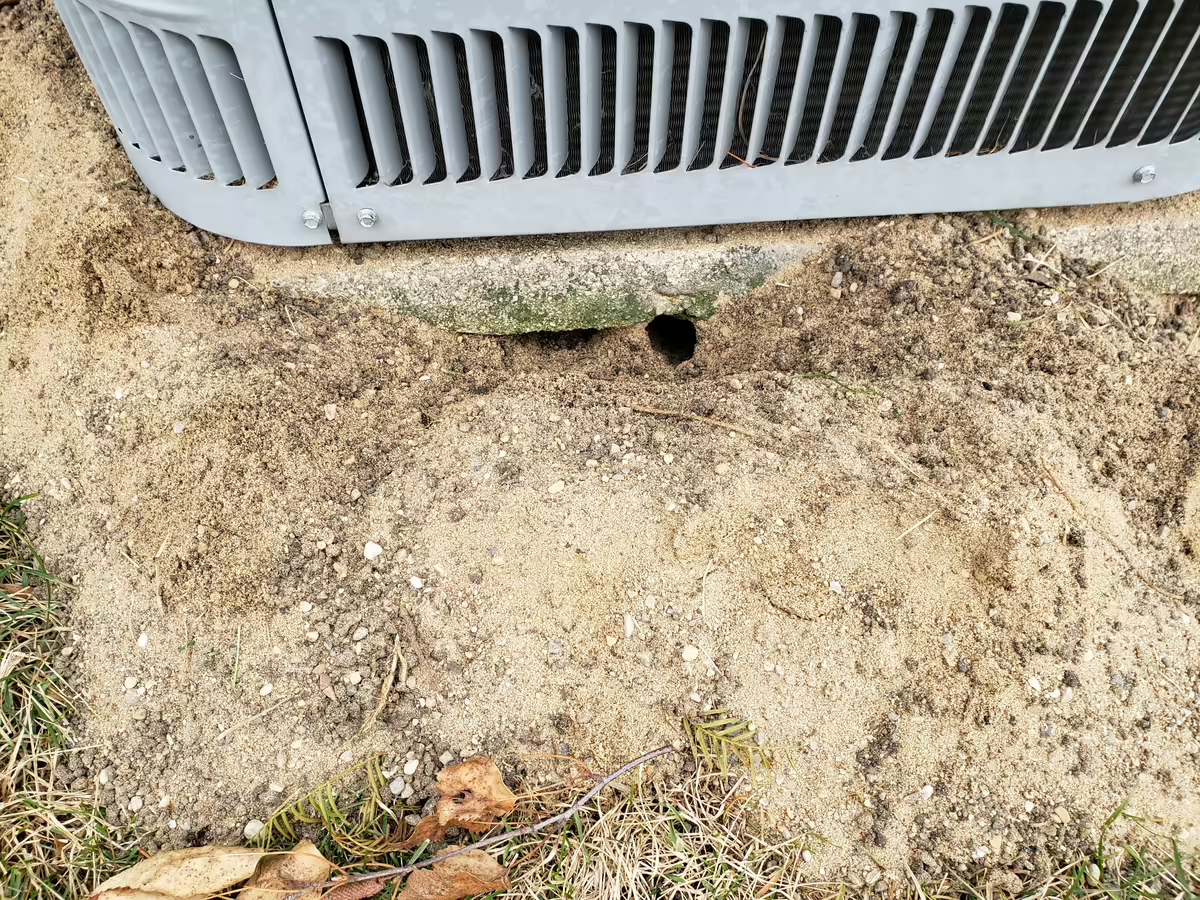
While voles venture into our manicured landscapes for food, they often nest in taller grass and weedy areas. (Though not always! Scroll to the end to see where one ended up nesting over winter.) Reducing these weedy areas can limit nesting opportunities. However, you are also removing habitat for other critters, including predators of voles, when doing so. If you wish to create habitat while limiting voles' access to your yard (and other rodents' access to your house), clear vegetation nearest the home and let vegetation remain at the property's extents.
Because voles are granivores, birdseed can be very attractive to lure them into your yard. Birds will often scatter seeds on the ground when at a bird feeder. If voles are a continual issue, consider putting away the bird feeder for a while or switching to a suet feeder.
Physical exclusion
Physical exclusion involves hardware cloth buried six to eight inches into the ground and rising up around plants you want to protect, creating an above- and below-ground barrier. Newly planted and thin-barked trees can be protected with a wire or plastic mesh that is flush with the ground. Mesh openings in any barriers need to be one-quarter inch or less.
Repellents
Repellents such as the active ingredient thiram offer short-term protection. The winter weather may make it difficult to reapply. The voles may be active outside at -20 degrees Fahrenheit, but do you really want to be?
Toxic baits
Toxicant baits such as zinc phosphide and anticoagulants are also listed for use in Illinois to poison voles. Place baits in runways or burrow openings. Read and follow the instructions on the product label. These products can impact other wildlife, such as vole predators and ground-feeding birds. Individuals will need to decide if they wish to introduce a toxin that can potentially impact their local food chain.
Trapping
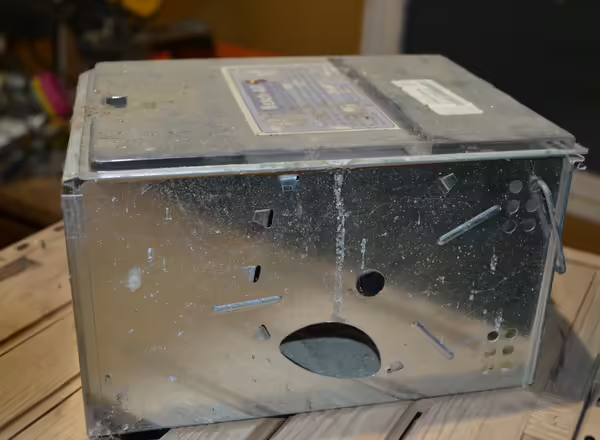
Trapping is another option. Common snap traps set perpendicular to the vole runway, with the trigger in the runway, will catch a small number of voles. Cover the snap trap to prevent injury to birds or other wildlife. However, because voles can be prolific reproducers, snap traps aren’t effective in large areas. Multi-catch traps can be deployed to capture multiple voles in one day. Place the trap near the burrow opening in the runway. Bait with some birdseed. Check the trap multiple times a day so any trapped voles don’t suffer from exposure.
Vole legal status
The Illinois Wildlife Code does not protect voles. They may be removed without a permit.
Bottom line: Protect the trees!
In my yard, voles weren’t a problem until they started gnawing on my trees. Lawns will regrow, but once a young tree is ringed by a vole, it’s over for that tree. Every fall, regardless of vole activity, I place protective collars around my small trees so that when I finally get back out in the yard next spring, I know my trees will still be there to greet me.
Good Growing Tip of the Week: Because voles are a popular menu item for many predators, you can encourage more opportunities for natural control. Perches for hawks and cover for snakes allow nature to take its course.
Thank you for reading!
Sign up for our emails! Want to get notified when new Good Growing posts are available? SIGN ME UP
Give us feedback! How helpful was this information (click one): Very helpful | Somewhat helpful | Not very helpful
MEET THE AUTHOR
Chris Enroth is a horticulture educator with University of Illinois Extension, serving Henderson, McDonough, Knox, and Warren counties since 2012. Chris provides horticulture programming with an emphasis on the home gardener, landscape maintenance personnel, and commercial landscapers. Additional responsibilities include coordinating local county Master Gardener and Master Naturalist volunteers - providing their training, continuing education, advanced training, seasonal events, and organizing community outreach programs for horticulture and conservation assistance/education. In his spare time, Chris enjoys the outdoors, lounging in the garden among the flowers (weeds to most).