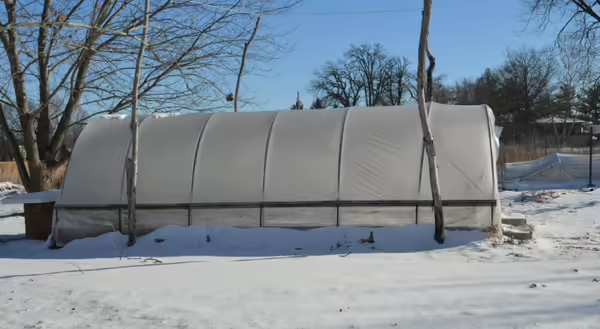
A winter day in the year-long garden
Looking out the window midway through winter gives one a bleak view of the world. Gray sky, trees bare, plants succumbed to the cold. Yet a gardener’s mind does not linger long on the landscape’s stillness. Rising from my chair, I step out the door. Underfoot, the dull shuffle of mulch gives way to the crunch of frosted grass as I make my way to the garden.
The high tunnel
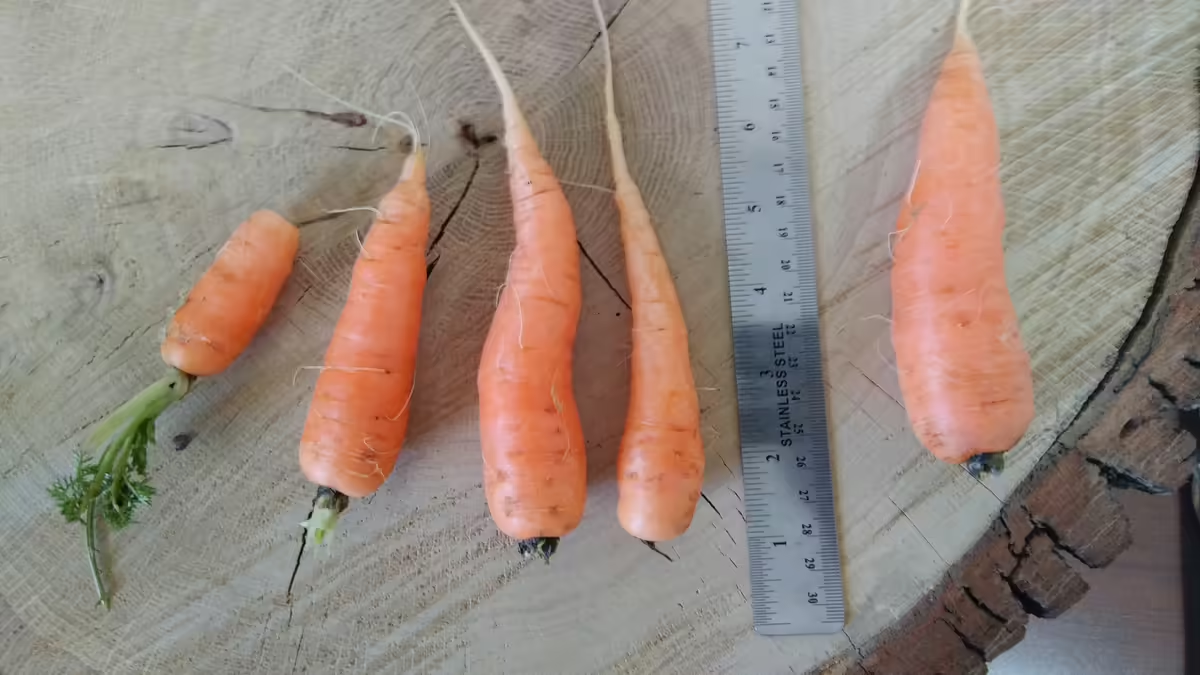
Poking my head into the high tunnel, I am greeted by a twenty-degree increase in temperature and the smell of living plants. Three garden beds hold green crops seemingly in protest of the cold winter outside. A block of carrots lies in near stasis in one bed. Soon, my digging fork will free them from the soil. Carrots are tough, cold-hardy vegetables, concentrating sugars in their tissues to create an enhanced sweet flavor. ‘Candy carrots’ is a term for carrots harvested in winter. Growing them in the high tunnel may be more for my comfort than for the crop. At least I don’t have to dig through snow to reach them.
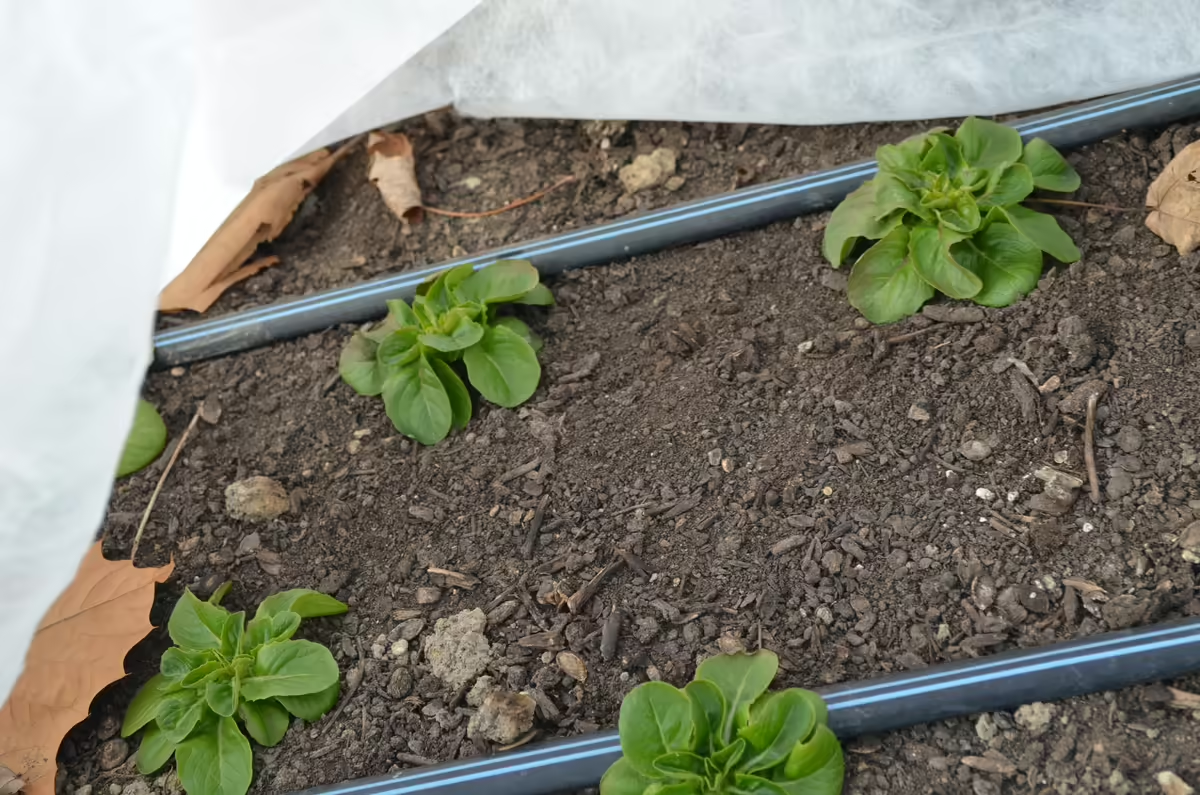
A line of butterhead lettuce lies tucked under row cover fabric in the second bed. Even inside the high tunnel’s protection, more tender crops like leaf lettuce require an extra layer to hold heat closer to the ground.
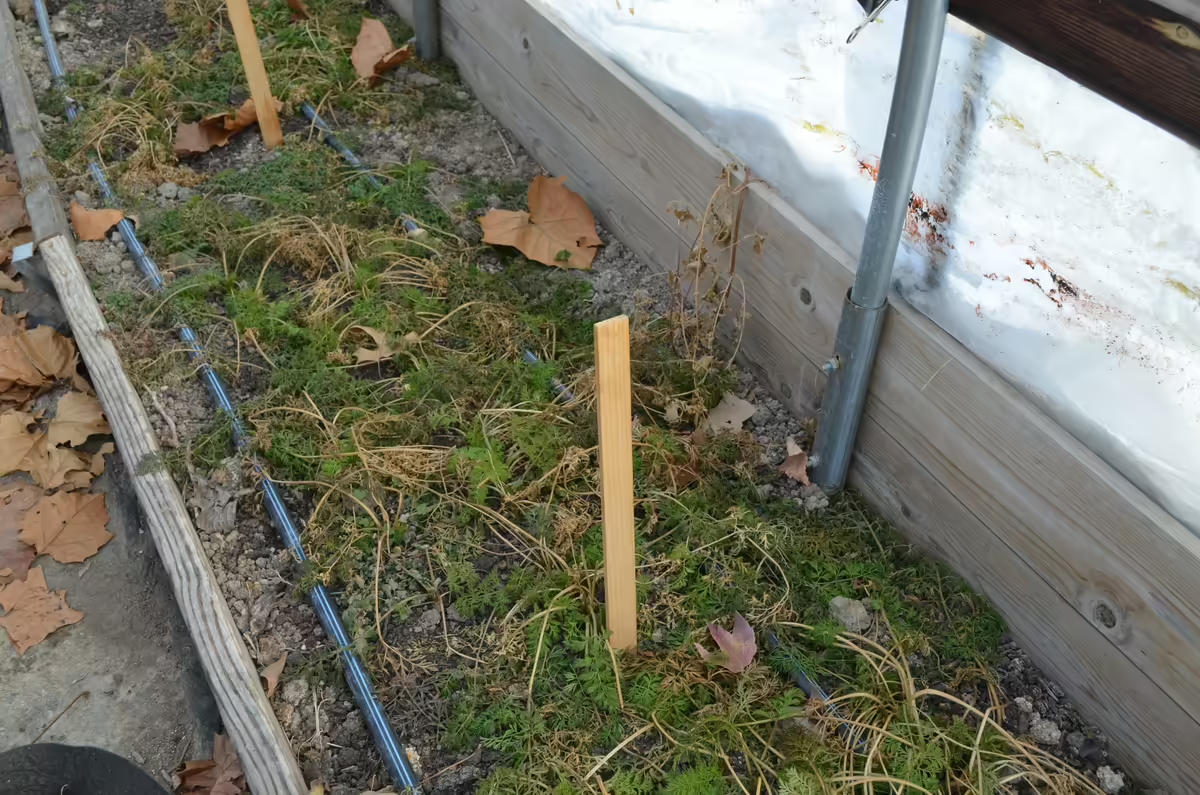
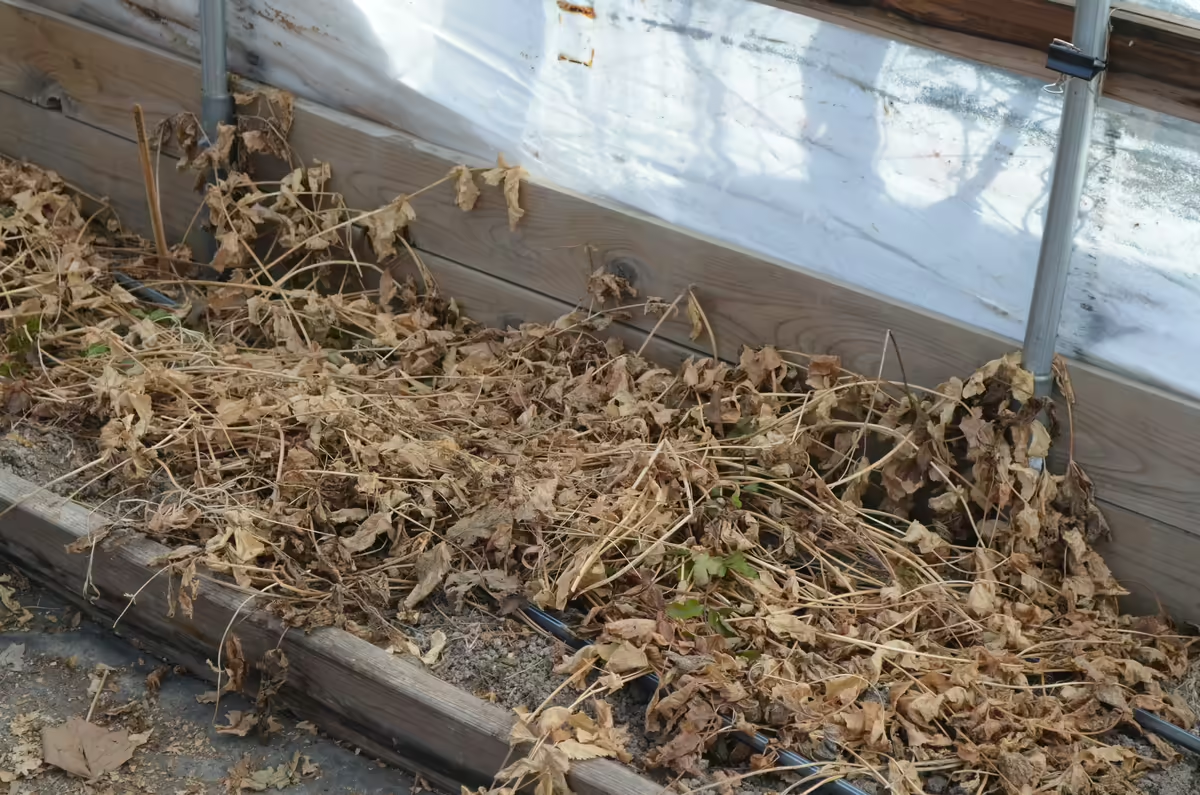
Parsnips, with their tops frosted and wilted, also await my digging fork. Not long now. They were sown in early spring the previous year. Tricky little devils to germinate, but they eventually did and spread their leafy canopy over the soil, choking out weeds and requiring little maintenance on my part. There is little competition for patience than that of a steadfast gardener.
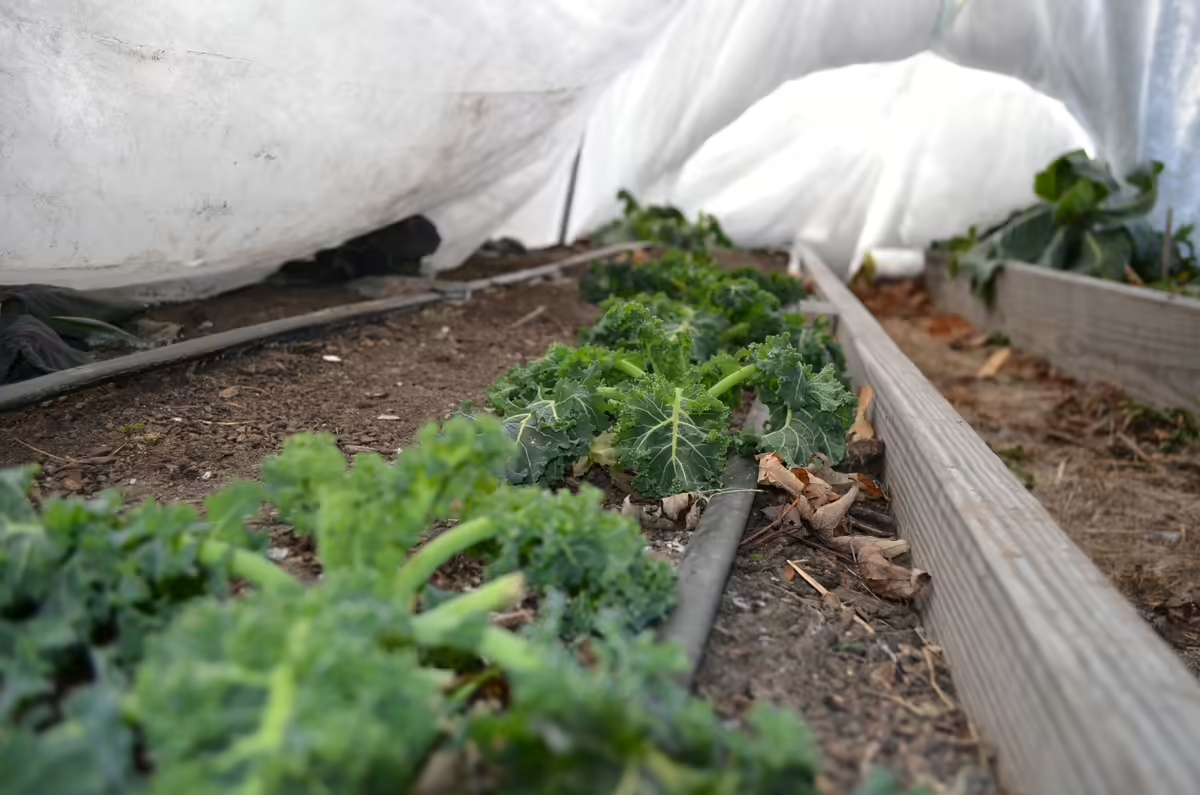
The high tunnel also houses young transplants of kale and cabbage. These plants will tough out the winter in this plastic-covered haven and begin to yield as our days lengthen and temperatures warm. Evidence of long-gone cabbage worms remains on half-eaten kale leaves.
The low tunnel
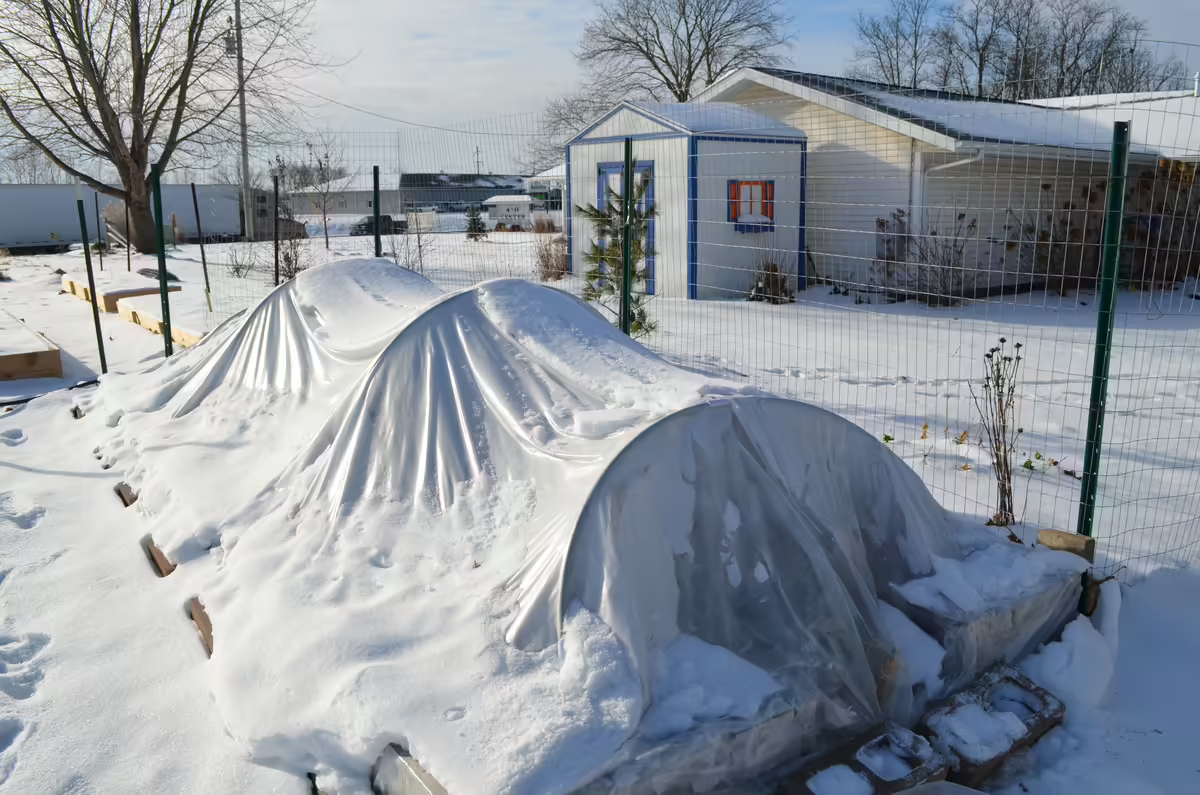
Stepping back outside the high tunnel, the crisp bite of winter returns. Outdoor raised beds, new and old, stare at the sky, empty yet holding within their soil the potential to grow a flourishing garden. A low tunnel (essentially a miniature high tunnel) protects two of the raised beds. Hiding beneath the poly plastic is a buffet of salad greens.
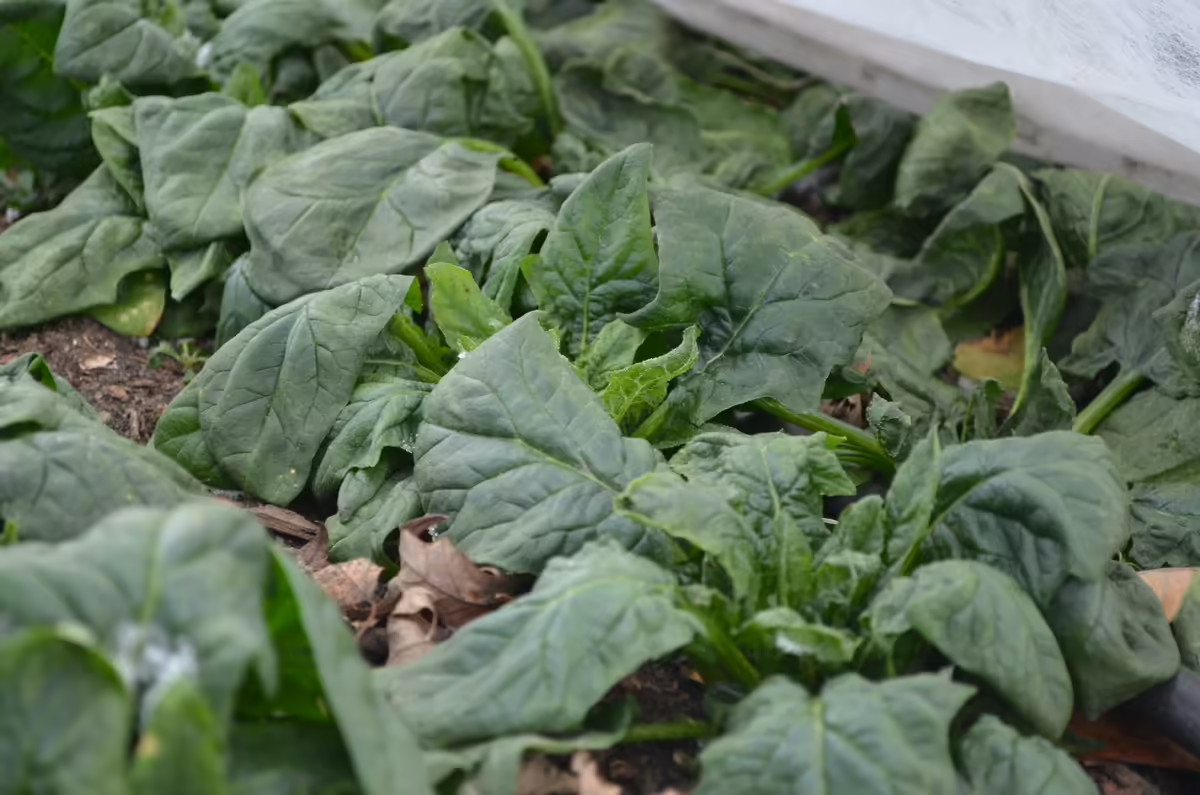
Pulling back the low tunnel’s plastic covering reveals spinach, kale, Swiss chard, bok choy, and baby cabbages, all of which stand in contrast to their stark winter surroundings. My hand plucks a spinach leaf from its stem, nibbling as I scout the rows of greens. A gardening mantra to live by: don’t forget to stop and taste the spinach.
Extreme cold in the winter garden
Indeed, we have been fortunate this winter to have experienced relatively mild weather. Yes, we did experience significant winter weather in December, including substantial snowfall. Snow is a fantastic insulator against frigid cold, and it protected many plants from subzero temperatures just last month, including my own.
As I type this article, we are about to be plunged into a bitter polar freeze. Highs for multiple days will stay trapped in the single digits. Yet this time, we lack snow cover. Without snow to help insulate the high and low tunnels, many crops will not survive. Therefore, it is time to harvest the lettuce, pick the cabbage, and cut the bok choy and Swiss chard.
The carrots, spinach, parsnips, and kale will be fine. Who says you can’t garden in the winter?
Good Growing Tip of the Week: While a high tunnel may heat up on a sunny winter day, the heat dissipates throughout the night, equalizing with outside temperatures by early morning. If growing in a high tunnel in winter, cold-tolerant crops are necessary to survive nighttime temperatures.
Thank you for reading!
Sign up for our emails! Want to get notified when new Good Growing posts are available? SIGN ME UP
Give us feedback! How helpful was this information (click one): Very helpful | Somewhat helpful | Not very helpful
MEET THE AUTHOR
Chris Enroth is a horticulture educator with University of Illinois Extension, serving Henderson, McDonough, Knox, and Warren counties since 2012. Chris provides horticulture programming with an emphasis on the home gardener, landscape maintenance personnel, and commercial landscapers. Additional responsibilities include coordinating local county Master Gardener and Master Naturalist volunteers - providing their training, continuing education, advanced training, seasonal events, and organizing community outreach programs for horticulture and conservation assistance/education. In his spare time, Chris enjoys the outdoors, lounging in the garden among the flowers (weeds to most).