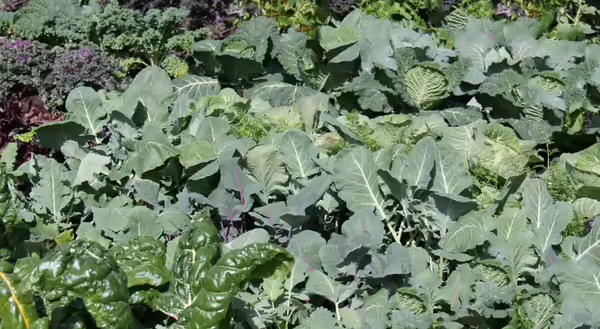
I think a winter diet of heavy, carb-laden foods is starting to weigh me down, literally and emotionally. I’m craving fresh produce, but forget the tomatoes and cucumbers; all I want is something green. Despite the looming threat of winter weather, spring is on the horizon, and I don’t know if I can wait any longer. I’m starting some leafy green seeds.
What’s a Leafy Green?
Leafy green vegetables are among the easiest crops to grow, whether in the ground or in containers. They start readily from seed, provide extended harvest periods, and are nutritious. That’s a pretty good deal if you ask me.
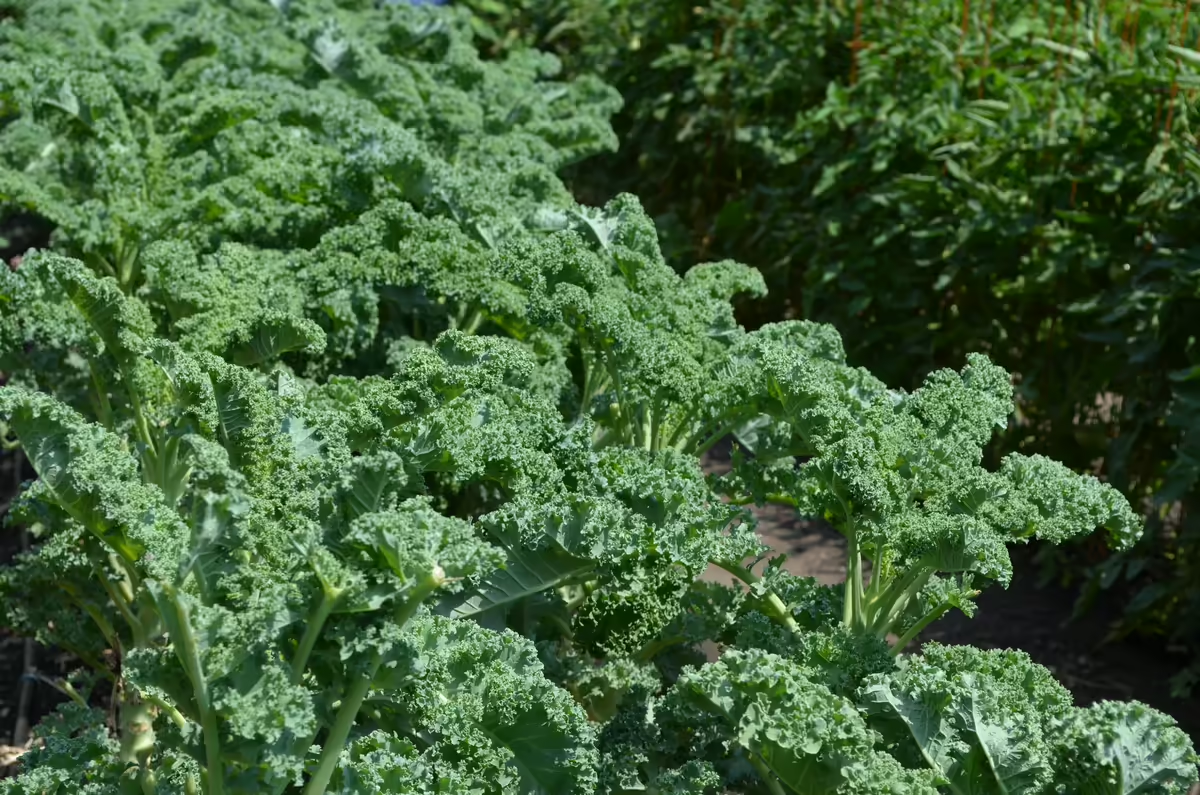
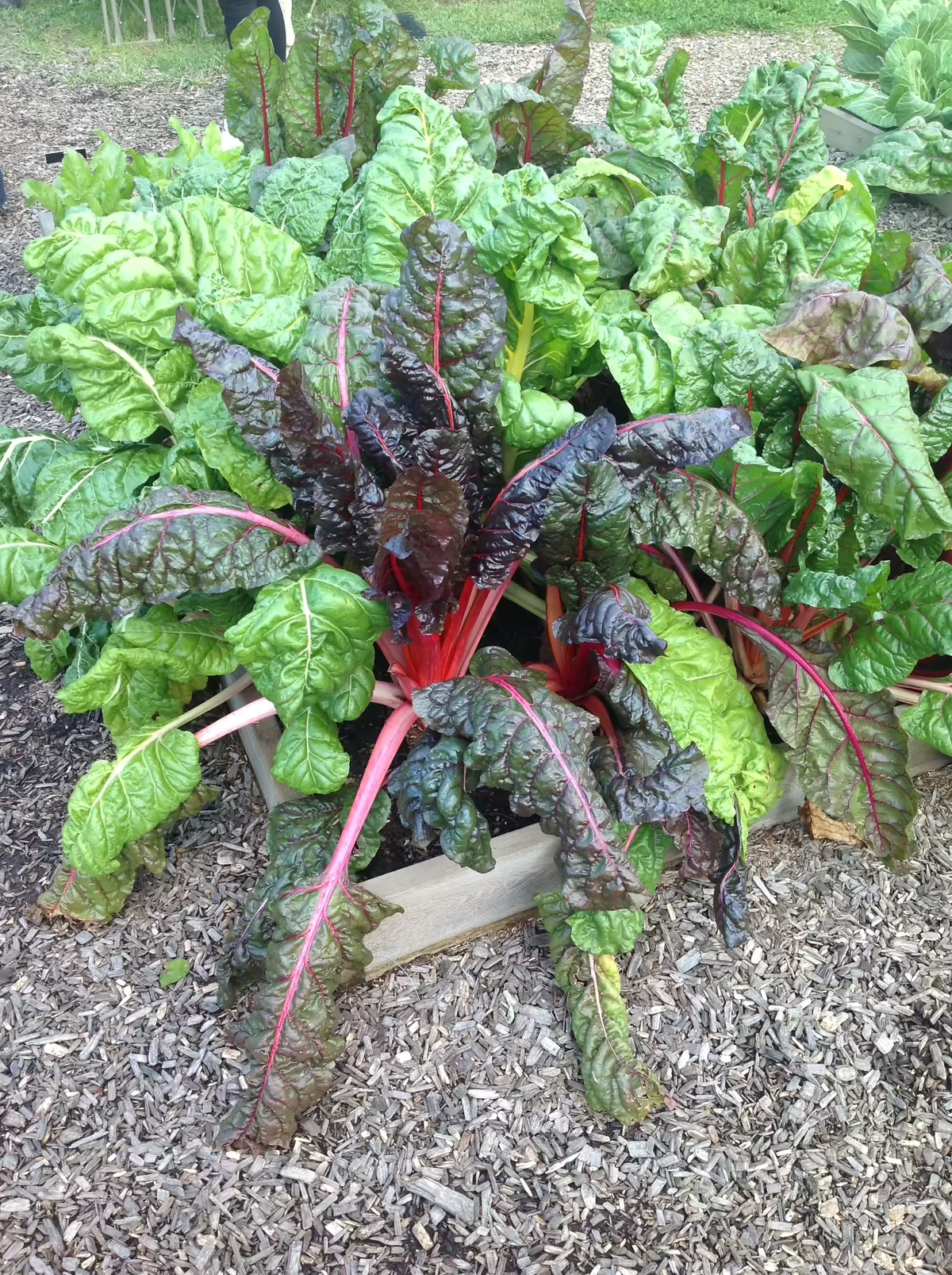
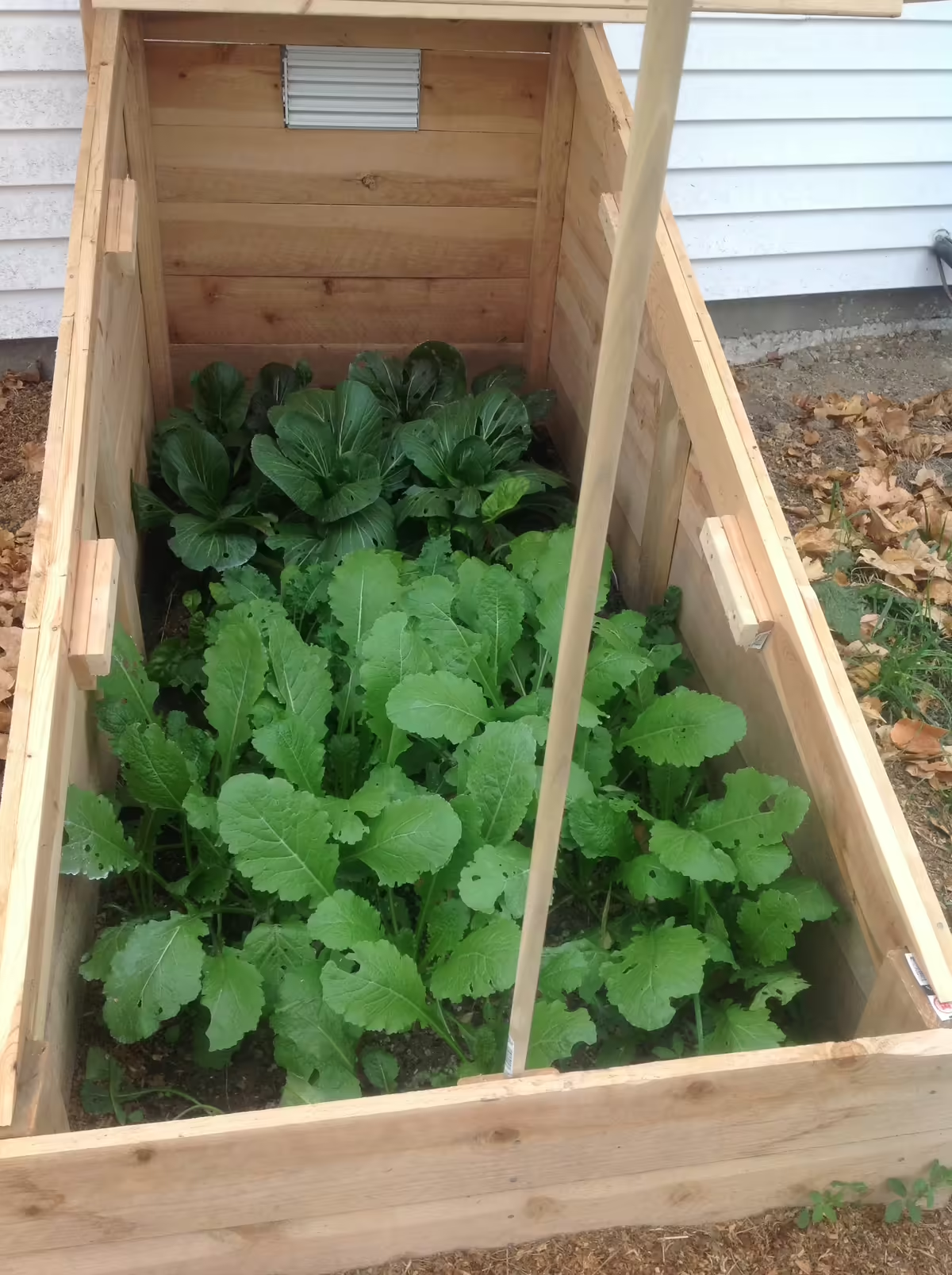
Leafy greens are vegetable crops prized for their leaves. Lettuces and spinach are common options, but others include chard, kale, collards, arugula, mustard, turnip greens, beet greens, bok choy, and cabbage. Some greens are best eaten fresh, while others shine when cooked in various ways, from sautéed to roasted, or even grilled.
Starting Leafy Green Seeds
Of course, I tell people not to start their garden seeds too early, because timing is important in vegetable gardening. I generally recommend seeding leafy greens outdoors in late March or early April. Many leafy greens—such as kale, collards, lettuce, and arugula—perform very well when direct-sown outside. However, that means waiting longer to get seeds going. One trick that allows us to cheat a little is to start seeds indoors.
There are various seed‑starting calculators online, but your best resource will always be the instructions on the seed packet. In Central Illinois, I begin starting leafy green seeds indoors around the first or second week of March. If I lived in Southern Illinois, I’d already be within the ideal seed‑starting window for leafy greens. And if I lived in Northern Illinois, I’d need to wait about two additional weeks.
Read more about recommended planting dates for various vegetable crops. When to Plant the Home Vegetable Garden
Growing Leafy Greens
Once you’ve gotten your leafy greens through the early spring cold snaps, it’s time for them to face the heat of summer. Leafy greens tend to grow and taste better during the cooler months. Some, such as chard, collards, and kale, will hold up throughout the summer and provide a continual harvest. Others, such as lettuce and spinach, struggle in the heat and may bolt, which means they flower and begin producing seed. Once bolted, lettuce and spinach become bitter and are best pulled, tossed into the compost pile, and replaced with something else. Bolted greens can always be replanted later in summer for a fall crop.
Some loose‑leaf lettuces can be grown further into summer because they are slightly more heat‑tolerant, especially if provided with shade from taller crops or shade cloth and given adequate moisture.
If you are growing in containers, make sure to use a high‑quality potting mix—avoid garden soil or topsoil. I suggest seeding directly into containers, following the seed packet directions.
You can begin harvesting once the leaves are large enough to use. Seed packets typically provide helpful guidance on when and how to harvest. Using scissors or a sharp knife minimizes damage to plants that will be harvested repeatedly. For crops like kale, harvest the lower leaves and avoid cutting from the top. Kale will continue to grow upward as the bottom leaves are removed—I’ve seen some impressively tall kale plants over the years!
Need more specifics on a particular crop? Check out our vegetable gardening webpage for individual crop profiles. Home Vegetable Gardening | Growing
As winter continues to serve up its heavy, carb‑laden meals, nurturing those first sprouts is a welcome reminder that spring is coming, along with lighter, brighter harvests of leafy greens.
Good Growing Tip of the Week: The first leafy green I plant in my garden each year is spinach. Spinach seeds germinate best in cold soil. You can even sow spinach on frozen soil, and it will germinate as the ground thaws.
Thank you for reading!
Sign up for our emails! Want to get notified when new Good Growing posts are available? SIGN ME UP
Give us feedback! How helpful was this information (click one): Very helpful | Somewhat helpful | Not very helpful
MEET THE AUTHOR
Chris Enroth is a horticulture educator with University of Illinois Extension, serving Henderson, McDonough, Knox, and Warren counties since 2012. Chris provides horticulture programming with an emphasis on the home gardener, landscape maintenance personnel, and commercial landscapers. Additional responsibilities include coordinating local county Master Gardener and Master Naturalist volunteers - providing their training, continuing education, advanced training, seasonal events, and organizing community outreach programs for horticulture and conservation assistance/education. In his spare time, Chris enjoys the outdoors, lounging in the garden among the flowers (weeds to most).