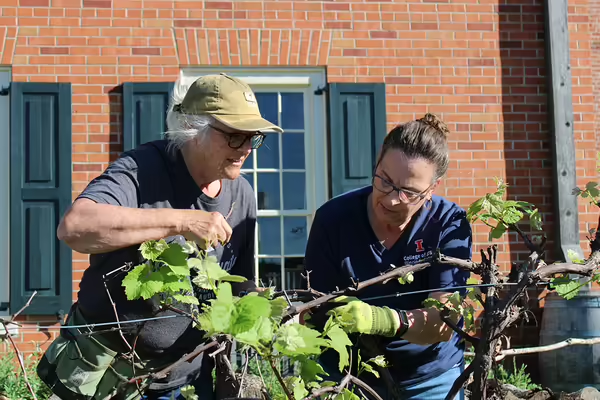
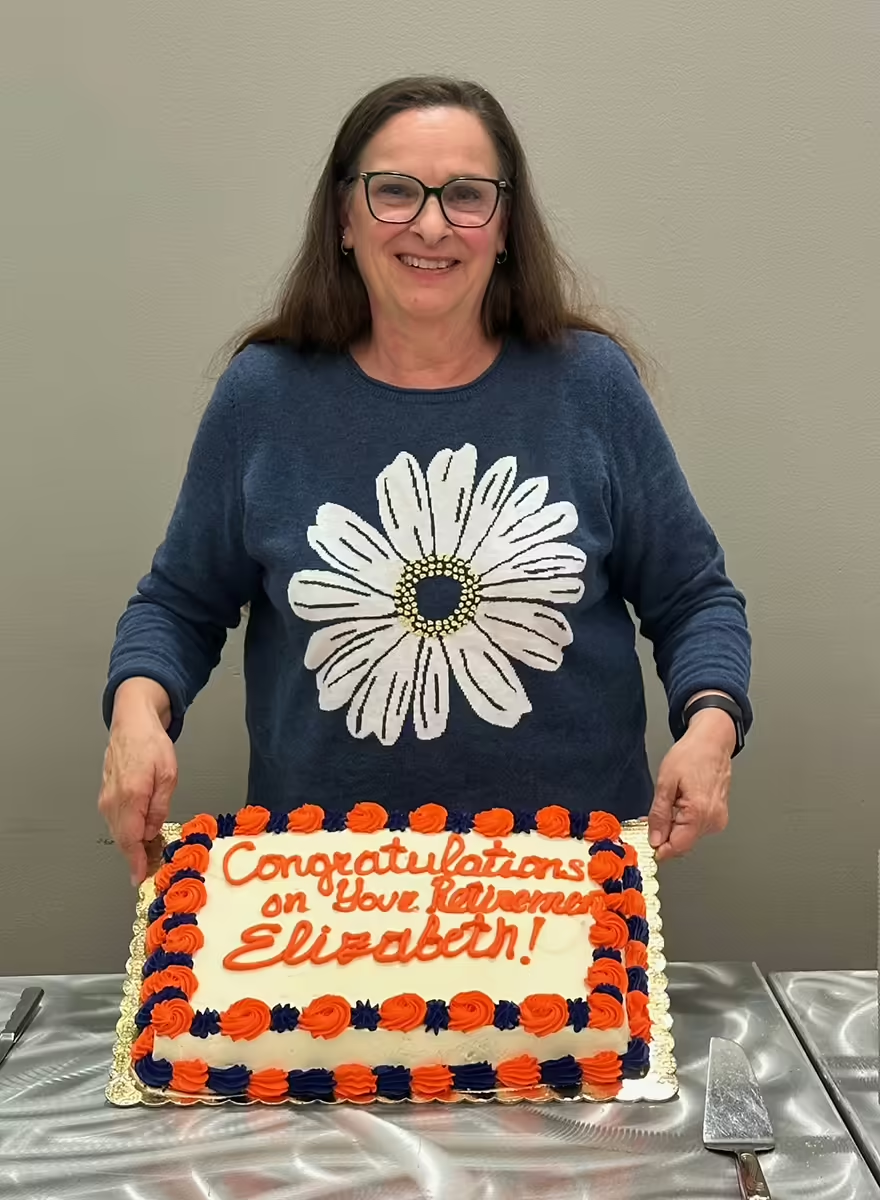
URBANA, Ill. — When something feels off with a specialty crop like peaches, apples, or horseradish, one phone number growers may have on speed dial is Elizabeth Wahle. Since 2002, Wahle has been with University of Illinois Extension, assisting growers through production questions, while helping colleagues carry out Extension’s mission of extending knowledge and supporting communities. Wahle will retire from Extension in April after 24 years of helping specialty growers build and sustain viable food webs and ecosystems.
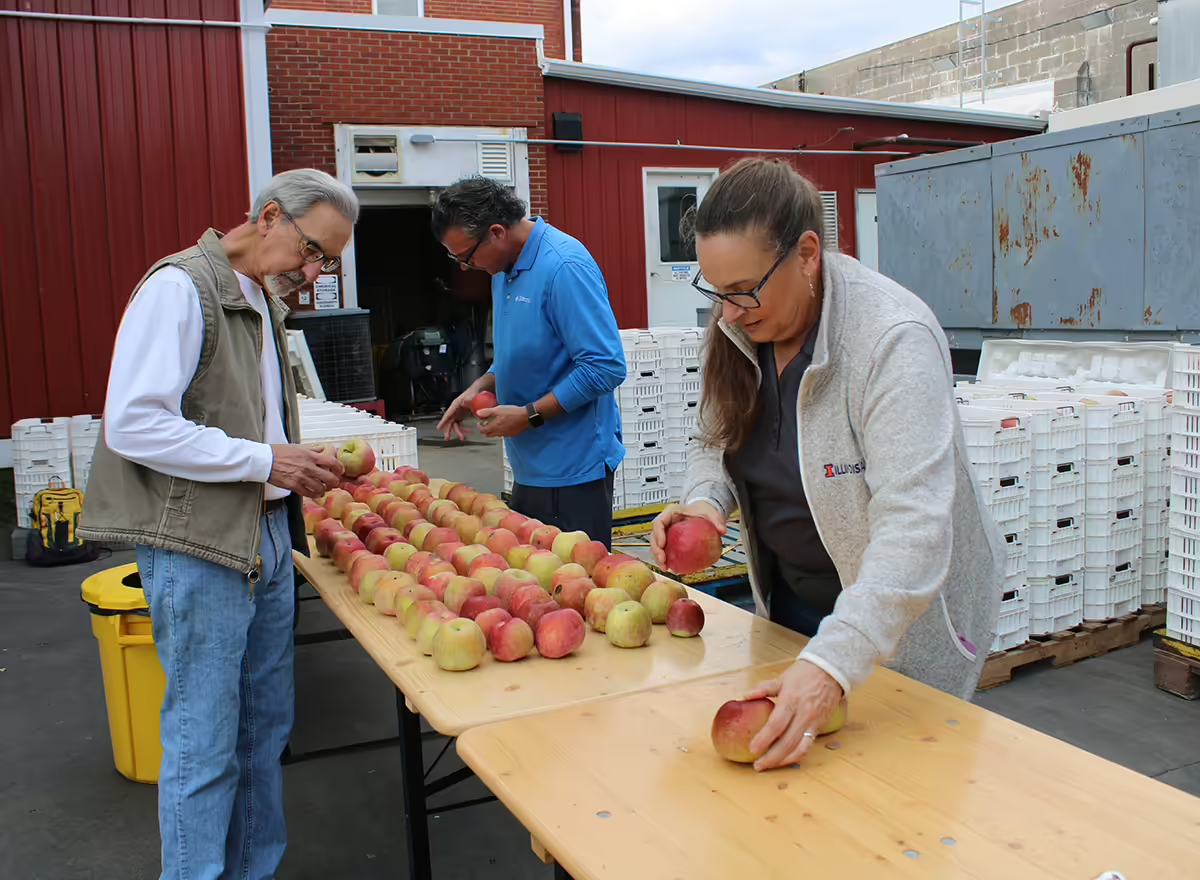
Over the course of her Extension career, Wahle has held educator roles in agriculture and horticulture that have led to her current statewide Extension specialist in Agriculture and Agribusiness role. Her work has focused primarily on the Illinois commercial specialty crop industry, including vegetable, horseradish, small fruit, and tree fruit production, while also supporting consumer horticulture programming in the Madison, Monroe, and St. Clair county area.
“We are thankful for Elizabeth and grateful for her years of dedication to Extension,” says Travis Burke, assistant dean and program leader for agriculture and agribusiness at Illinois Extension. “Countless colleagues and partners have expressed that the mentorship and experiences she shared with them through the years are immeasurable.”
Throughout her career, Wahle coordinated and contributed to numerous local and state educational programs for growers and industry professionals through continued research. Illinois Extension-led events include the Southern Illinois Fruit and Vegetable School, Southwestern Illinois Commercial Tree Fruit School, Illinois Horseradish Growers School, and the Gateway Green Industry Conference.
Wahle also helped build successful partnerships that helped make opportunities like the Illinois Specialty Growers Association's From Food to Flowers: Everything Local Conference possible. Now, the conference is a must-attend, near-annual sellout event for Illinois growers. She also contributed to research and Extension publications, including the “Midwest Fruit Pest Management Guide,” “Pest Management for the Home Landscape,” and “Vegetable Gardening in the Midwest.”
Reflecting on her career, Wahle says the relationships she built with growers and colleagues are what she values most. She hopes she will be remembered as a trusted source of information and finds it rewarding when growers and gardeners share how her programs helped them try new practices or achieve success.
In retirement, Wahle looks forward to spending more time with her husband of 42 years and her mother, as well as traveling, gardening, and walking her dog. She also plans to do some consulting work to stay connected to the agriculture industry she has long served.
Wahle’s legacy will continue to impact communities and serve as an example guiding the ongoing work of the specialty crops, local foods, and agriculture teams with specialty growers for years to come.
SOURCE: Amanie Abusaid, Extension program coordinator, Illinois Extension
WRITERS: Amanie Abusaid, Extension program coordinator, Illinois Extension, and Jenna Braasch, media communications coordinator, Illinois Extension
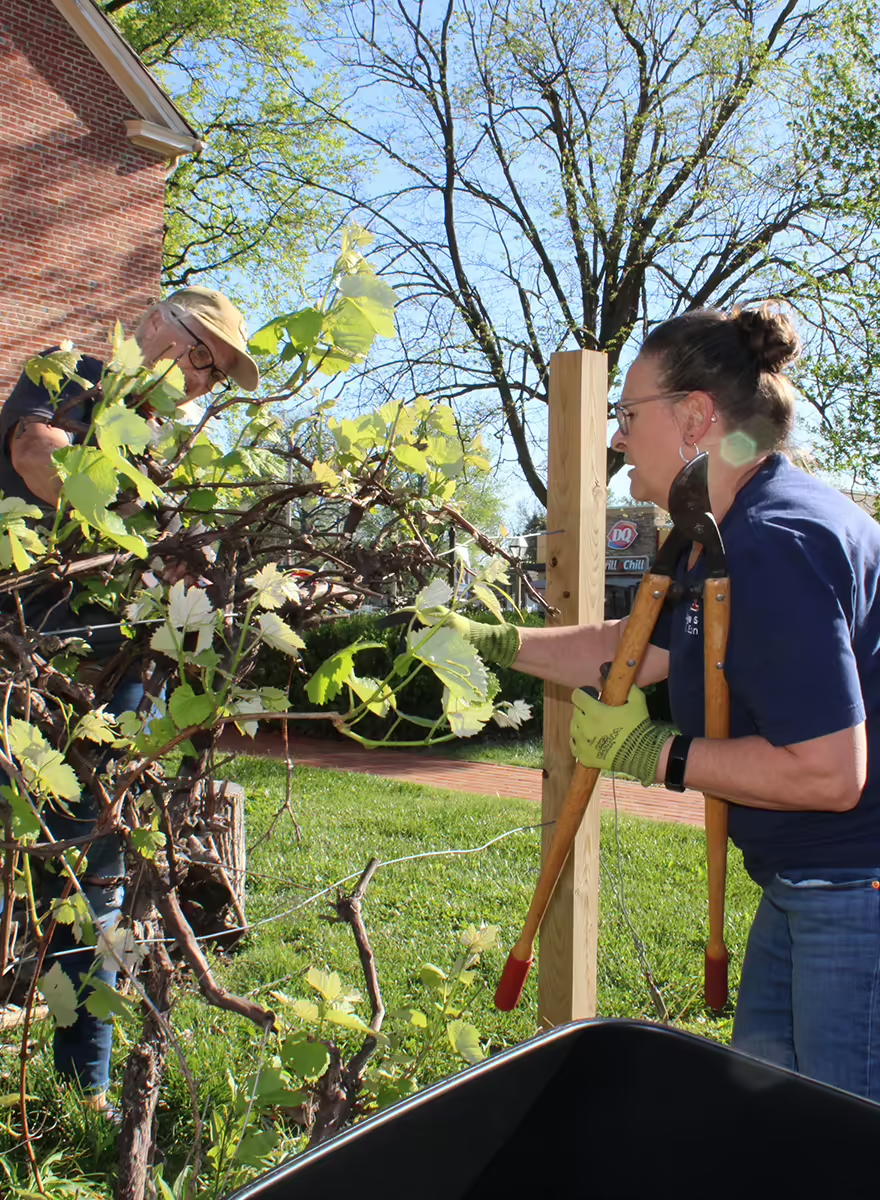
CAPTION: Elizabeth Wahle, University of Illinois Extension specialist, works with growers on pruning techniques. Photo Credit: University of Illinois Extension. Photos available for media download, including credit.
University of Illinois Extension develops educational programs, extends knowledge, and builds partnerships to support people, communities, and their environments as part of the state's land-grant institution. Extension serves as the leading public outreach effort for University of Illinois Urbana-Champaign and the College of Agricultural, Consumer and Environmental Sciences in all 102 Illinois counties through a network of 27 multi-county units and over 500 staff statewide. Extension’s mission is responsive to eight strategic priorities — community, economy, environment, food and agriculture, health, partnerships, technology and discovery, and workforce excellence — that are served through five program areas — 4-H youth development, agriculture and agribusiness, community and economic development, health and community wellness, and natural resources, environment, and energy.