Episode Number
143
Episode Show Notes / Description
Think your vision is fine? Some eye diseases develop without any warning signs.
Transcript
Good morning. This is your Wellness Wake-Up Call with University of Illinois Extension.
Eleven million Americans over the age of 12 need vision correction, and about one in four children require glasses or contact lenses by the time they reach elementary school. Good vision is essential because an estimated 80% of the information we process comes through our eyes. Yet, many people skip routine eye exams.
Regular eye exams are important because many eye diseases develop silently. Your brain naturally adapts to gradual vision changes, making it difficult to notice problems until permanent vision loss has already occurred. Even if your vision seems fine, undetected vision problems can contribute to headaches, eye strain, and fatigue.
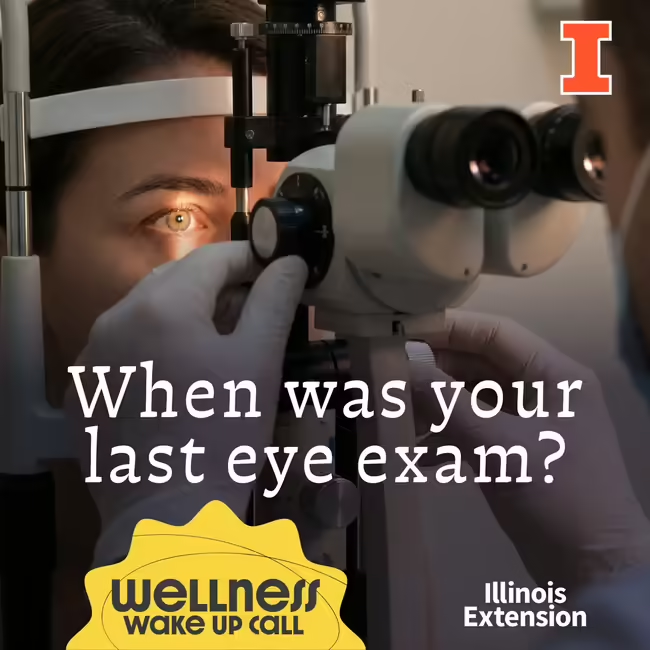
Comprehensive eye exams do more than check your vision. Eye care professionals can detect early signs of eye disease and may also identify other health conditions, such as high blood pressure and diabetes, by examining the blood vessels and nerves inside the eye.
Children should have a comprehensive eye exam every one to two years, or annually if they wear glasses or contact lenses. Adults without vision concerns should also have an eye exam every one to two years, while those with chronic health conditions or corrective lenses should have annual exams or follow their provider's recommendations.
As children head back to school this fall, schedule an eye exam for them and don't forget to make an appointment for yourself. Healthy vision supports lifelong health.
Thank you for listening! I hope you have a happy and healthy day ahead. Content for this episode was provided by Diane Reinhold, nutrition and wellness educator for University of Illinois Extension.
Eleven million Americans over the age of 12 need vision correction, and about one in four children require glasses or contact lenses by the time they reach elementary school. Good vision is essential because an estimated 80% of the information we process comes through our eyes. Yet, many people skip routine eye exams.
Regular eye exams are important because many eye diseases develop silently. Your brain naturally adapts to gradual vision changes, making it difficult to notice problems until permanent vision loss has already occurred. Even if your vision seems fine, undetected vision problems can contribute to headaches, eye strain, and fatigue.
Comprehensive eye exams do more than check your vision. Eye care professionals can detect early signs of eye disease and may also identify other health conditions, such as high blood pressure and diabetes, by examining the blood vessels and nerves inside the eye.
Children should have a comprehensive eye exam every one to two years, or annually if they wear glasses or contact lenses. Adults without vision concerns should also have an eye exam every one to two years, while those with chronic health conditions or corrective lenses should have annual exams or follow their provider's recommendations.
As children head back to school this fall, schedule an eye exam for them and don't forget to make an appointment for yourself. Healthy vision supports lifelong health.
Thank you for listening! I hope you have a happy and healthy day ahead. Content for this episode was provided by Diane Reinhold, nutrition and wellness educator for University of Illinois Extension.