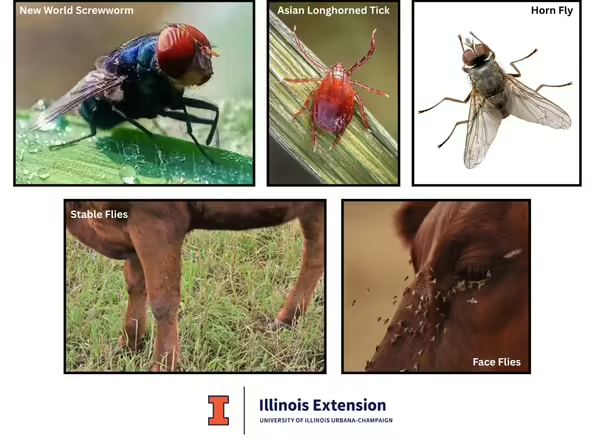
Warm summer temperatures create the perfect environment for challenges from insects and internal and external parasites to transpire. Pets spending time outside can also cause trouble in the cattle herd. With the growing risk of New World Screwworm, proper pest and parasite control is even more important. Knowledge and prevention are the best tools to keep your herd free of problems.
Pests to Watch For:
The Asian longhorned tick is an invasive species whose bites can make cattle sick. Recently identified in Illinois, this is a timely and major threat. Infestation can cause severe blood loss and stress. Read more here.
Horn Flies:
Horn flies are biting flies that take blood meals and cause irritation. This blood loss can reduce weight gain and milk production.
Face Flies:
Face flies don’t bite; instead, they feed on moisture around the eyes, nose, and manure. They can transmit pink eye and reduce the time cattle spend grazing.
Stable Flies:
Stable flies are biting flies, that get their name for biting the legs of livestock. This can cause increased stomping and stress among cattle.
New World Screwworm (NWS):
NWS was recently detected in Texas for the first time in decades. They are not worms, but instead flies whose larvae infest wounds and feed on living tissue. This severely impacts animal welfare and hurts performance. Although this is NOT currently an Illinois risk producers need to be aware.
How to Manage Pests:
- Rotate insecticide classes to prevent insecticide resistance.
- Treat wounds promptly and with insecticide to prevent infection and infestation.
- Use integrated control:
- Fly tags can provide coverage for at least 30-60 days and ensure individual animal protection.
- Fly sprays immediately decrease the fly load and are great for short-term control.
- Insecticide pour-ons deliver active ingredients directly to the animal’s skin.
- Back rubbers, oilers, and dust bags are low labor and allow for re-application of fly control in forced scenarios.
- Biological control uses fly parasites to attack fly pupae and prevent hatching of flies.
- Feed additives are used to break the life cycle of flies and are a low-labor, low-stress form of fly control.
External Parasites to Watch For:
Lice:
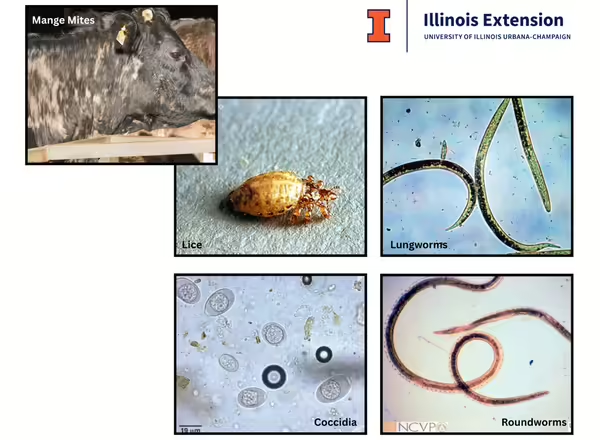
Lice feeds on the blood or skin of warm-blooded animals. This can cause itching, hair loss, and even anemia.
Mange Mites:
Mange mites burrow into the skin, inhabiting hair follicles and causing skin disease. This leads to irritation, hair loss, and excessive scratching.
Internal Parasites to Watch For:
Roundworms/stomach worms:
These nematodes infect the gastrointestinal tract and other body systems, reducing feed efficiency and weight gain. They are most commonly found in calves on pasture.
Lungworms:
This nematode infects the respiratory tract causing respiratory irritation and coughing. They are often found in grazing cattle.
Coccidia:
These microscopic, protozoan parasites infect the intestinal tract, often in calves. This causes diarrhea, dehydration, & reduced growth. Coccidiosis often is associated with stress and weaning.
How to Manage Parasites:
- Implement strategic, regular deworming protocols with your vet to combat internal parasites.
- Treat affected animals with approved parasiticides as soon as possible.
- Utilize fecal testing to determine parasite pressure and know which parasites to be preventing or monitoring for.
- Use rotational grazing and avoid overstocking to reduce over-exposure to parasites. Keep newborn calves in pastures that have had time to rest, to reduce parasite exposure.
- Practice biosecurity. Quarantine and monitor incoming cattle before introducing them to the herd.
- Routinely and frequently observe cattle to help detect infestations early and improve treatment success.
Pet-related Risks:
Chasing or harassing cattle:
Excited dogs can cause unnecessary stress and spike cortisol in cattle herds. A dog chase may result in muscle injury, scratches, or damaged fences and property.
Transporting ticks and parasites:
Cats and dogs often act as bridge hosts between wildlife and livestock. An infested pet can introduce pests and parasites to the cattle herd.
Disease transmission:
Pets can also introduce diseases and biosecurity concerns. Zoonotic diseases can be transmitted between your pets and your cattle. Not to mention, roaming strays and wandering pets from other homes can transmit disease from site to site.
How to Manage Pet-Related Risks:
- Protect your animals by keeping excited or unfamiliar dogs away from cattle.
- Talk to your vet to establish strong parasite prevention for your pets.
- Limit cattle exposure to household pets or stray pets.
- Practice farm biosecurity to prevent disease transmission.
Preventing Problems
Unfortunately, pests, parasites, and pet-related risks can lead to discomfort and disease in cattle. A preventative management and observation strategy can help catch pests and parasites before they become major problems. Illinois cattle producers should be especially aware of the growing presence of the Asian longhorned tick.
Olivia Shike is a student who works in beef production, research, and producer outreach as a University of Illinois Extension intern in the I-BELIEF program through the Department of Animal Sciences in the College of Agricultural, Consumer and Environmental Sciences. This article has been reviewed by Extension Beef Cattle Specialist, Travis Meteer.