Historically, applied fruit and vegetable research conducted at the University of Illinois Dixon Springs Agricultural Center in southern Illinois has always included variety trials, whether in open field production or in high tunnels. For the past 15 years, research projects have been conducted solely in a high tunnel production system, ranging from trials in IPM, fertility, and system management, but always including variety trial work as well. This year is no exception with variety trials including determinate tomatoes, indeterminate tomatoes, and bell peppers.
The determinate tomato variety trial consists of 5 cultivars replicated 4 times in randomized plots consisting of 8 plants in each plot. Transplants were set out on April 6 at a spacing of 2 feet between plants. All the transplants received a shot of 9-45-0 starter fertilizer when they were watered in and have been fed through the drip irrigation system with a combination of 20-20-20 (first two weeks only), magnesium sulfate + potassium sulfate, 3-15-28, and calcium nitrate + potassium nitrate. Fertility applications increased in frequency as the plants grow and are now on a daily routine as the plants are sizing and carrying a fruit load.
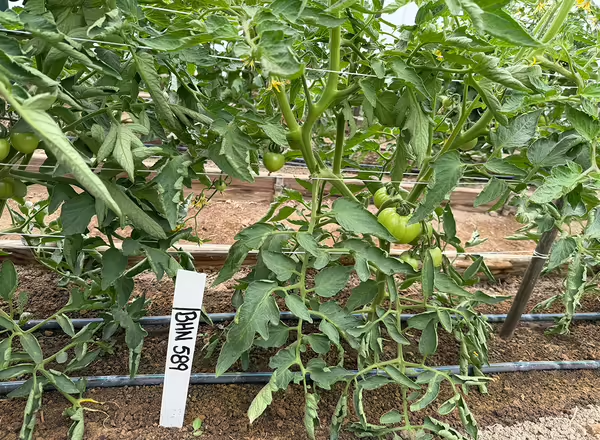
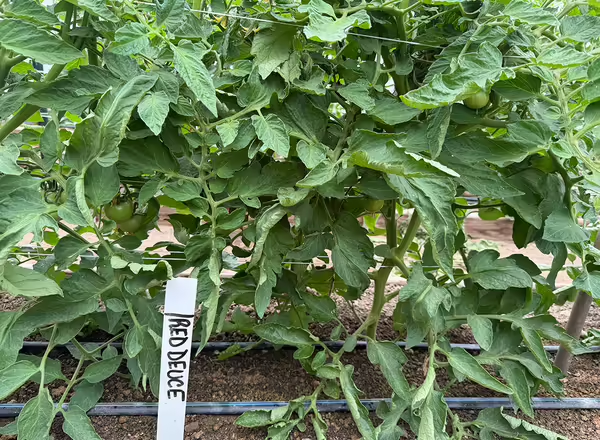
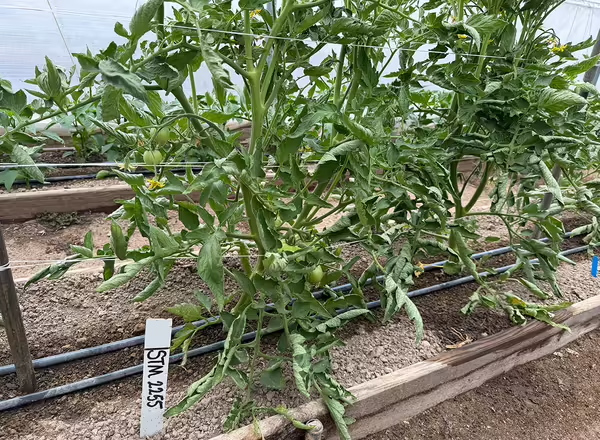
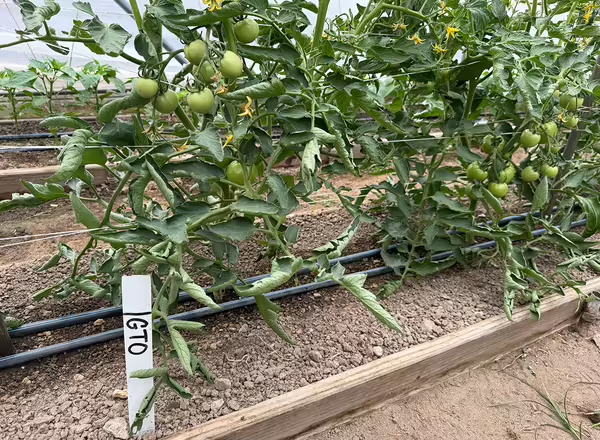
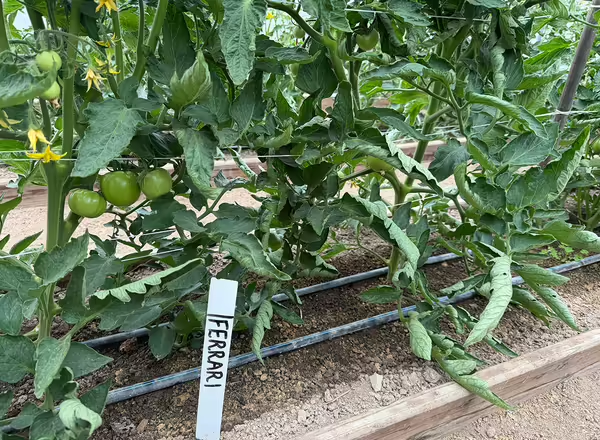
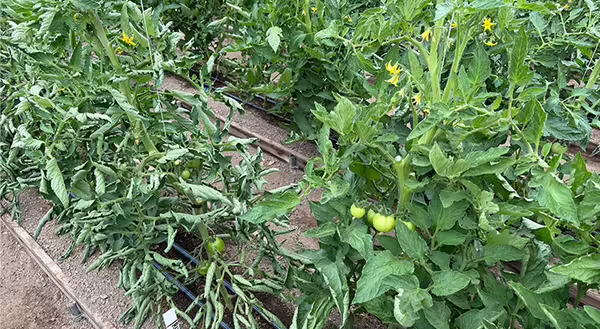
The five cultivars in the trial include: ‘BHN 589’, ‘Red Deuce’, ‘STM 2255’, ‘GTO’, and ‘Ferrari’. ‘BHN 589’ and ‘Red Deuce’ are very commonly grown in high tunnels as they consistently produce a large volume of high-quality fruit, and they are included in DSAC variety trials every year. ‘Red Deuce’ is also known to produce large tomatoes, often in the range of 12 to 14 ounces per fruit. ‘STM 2255’ has been included in past trials at DSAC while ‘GTO’ and ‘Ferrari’ are new cultivars that have not been trialed at our location. The photographs were taken on May 20, 6 weeks after transplanting, and offer a good comparison between the five cultivars as far as foliar coverage, fruit set, and sizing. Sunburn can be a problem later in the season if plants don’t have good foliar coverage, but excessive foliage can limit air flow and hinder harvest. From early observations of these cultivars, it appears that ‘Ferrari’ may have the best balance between foliar coverage and fruit set, while the physiological leaf roll and overall foliar coverage of ‘STM 2255’ may prove to be problematic later in the season. ‘Red Deuce’ has the densest canopy but will be needed to produce the volume and size of fruit that is typical. ‘GTO’ seems to have set more fruit than the other cultivars, but the foliar coverage may not be enough to prevent sunburn or sufficiently feed the crop. Once the fruit begin to ripen, harvest data will reveal how these cultivars perform under the same growing conditions.