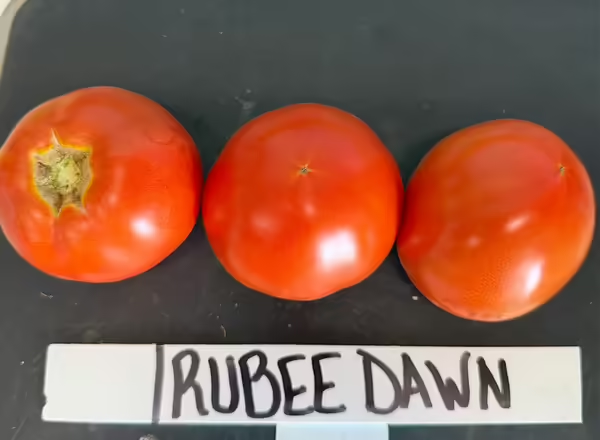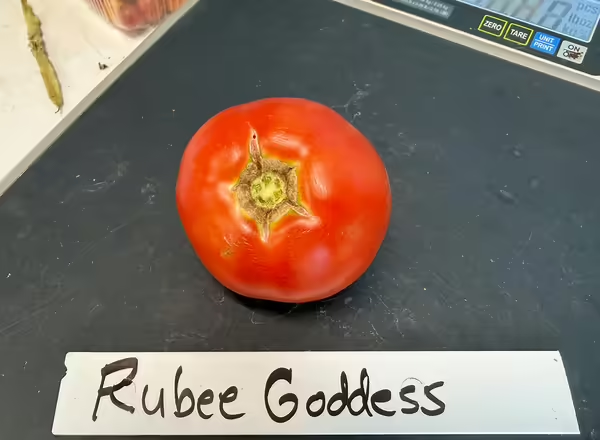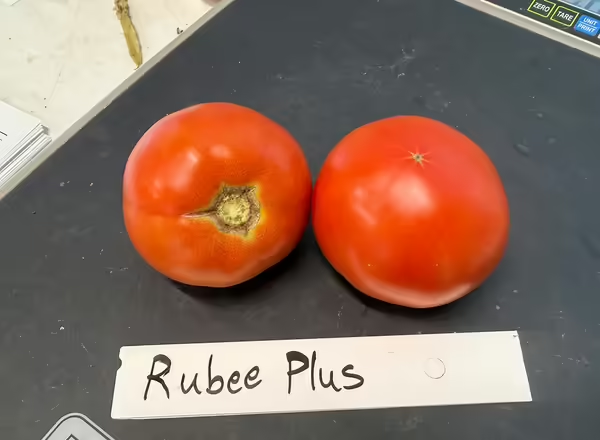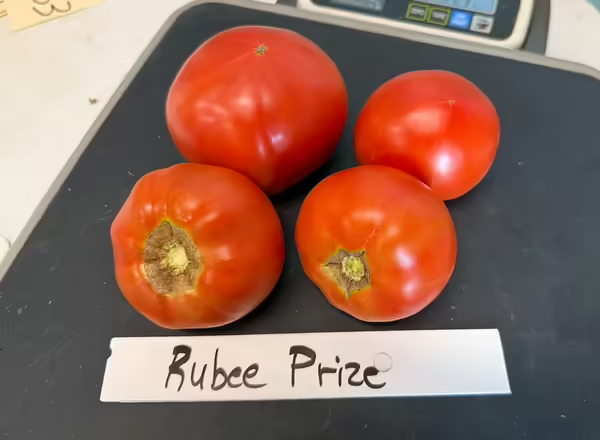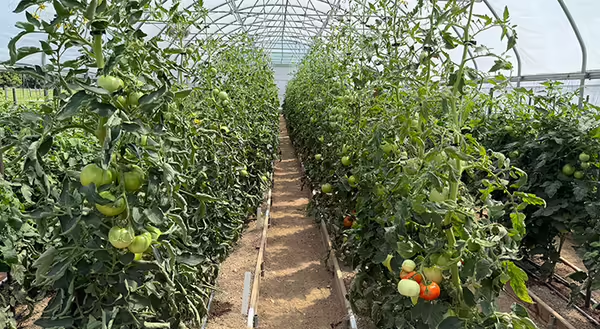
Historically, applied fruit and vegetable research conducted at the University of Illinois Dixon Springs Agricultural Center in southern Illinois has always included variety trials, whether in open field production or in high tunnels. For the past 15 years, research projects have been conducted solely in a high tunnel production system, ranging from trials in IPM, fertility, and system management, but always including variety trial work as well. This year is no exception with variety trials including determinate tomatoes, indeterminate tomatoes, and bell peppers.
The indeterminate tomato variety trial consists of 6 cultivars replicated 3 times in randomized plots consisting of 6 plants in each plot. Transplants were set out on April 6 at a spacing of 18 inches between plants. All the transplants received a shot of 9-45-0 starter fertilizer when they were watered in and have been fed through the drip irrigation system with a combination of 20-20-20 (first two weeks only), magnesium sulfate + potassium sulfate, 3-15-28, and calcium nitrate + potassium nitrate. Fertility applications increase in frequency as the plants grow and are now on a daily routine as the plants continue to set and carry a fruit load.
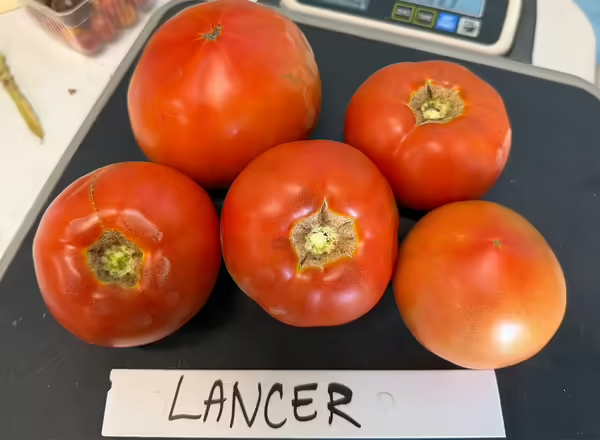
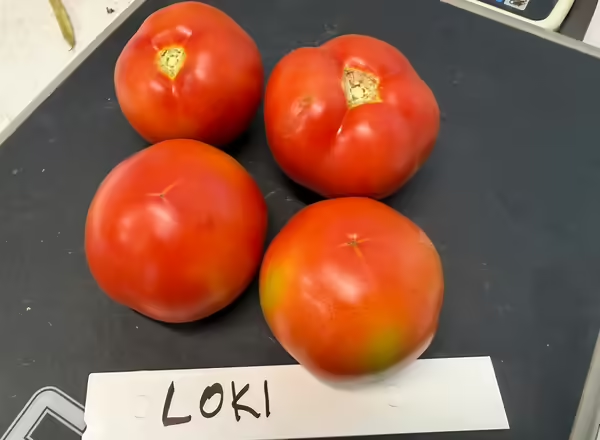
The indeterminate varieties included in this trial are ‘Rubee Dawn’, ‘Rubee Goddess’, ‘Rubee Plus’, ‘Rubee Prize’, ‘Lancer’, and ‘Loki’. ‘Rubee Dawn’ was grown on site last year and received many comments about its excellent flavor, that along with the earliness of several of the varieties, inspired the idea for the indeterminate trial with the Rubee line and a couple of more for good measure. Interestingly, most of the ‘Lancer’ plants have terminated and is likely the reason why the fruit size is larger for this variety than the others. Typically, fruit sizes across the other varieties have been running in the 9-11 ounce range for number one fruits. Harvest began the second week of June on the early varieties and all varieties were well into harvest by the fourth week of June. Flavor has been good for the most part and no white core issues have been noticed on any of the varieties. Harvest data results will provide average per plant yield estimates at the conclusion of the trial.