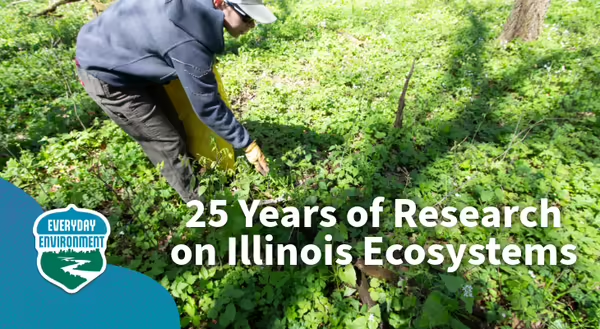
Illinois is home to a diversity of natural ecosystems, including the grasslands, forests, and wetlands that once covered a majority of the state. Most of these ecosystems have been converted to other land-cover types, notably row-crop agriculture and urban and suburban development, but remaining natural areas are subjected to a range of threats. While conversion of remaining natural areas to other uses remains one of these threats, a growing concern is the fundamental transformation of remaining ecosystems by invasive species. To understand this transformation, assessment of these ecosystems is key.
This blog was written by TJ Benson, Principal Research Scientist and Critical Trends Assessment Program Coordinator, Illinois Natural History Survey
The challenge of invasive species
Invasive species are generally organisms introduced into areas outside of their natural range. In their new environment, these species often outcompete native species, leading to declines in native plant and animal populations as well as other negative consequences for ecosystem processes such as hydrology or soil composition. Although there are many other conservation challenges, invasive species have become a global concern for natural resource managers, resulting in billions of dollars in economic damages each year.
To learn more about invasive species and species to look out for in Illinois, check out our Invasive webpage.
Monitoring the spread and impact of invasive species
Which invasive species occur in Illinois natural areas? Which species are spreading, and what impacts are they having on native plants and animals?
These questions are important for making effective conservation and management decisions, but require monitoring data. Fortunately, scientists at the Illinois Natural History Survey have been studying natural communities in Illinois for over 160 years, in some cases with long-term data collection efforts spanning decades.
One long-term effort, the Critical Trends Assessment Program, began collecting data on plant, bird, and insect communities in randomly selected grasslands, forests, and wetlands throughout Illinois starting in 1997. This is a broader effort to understand the condition of the state’s natural resources.
This program uses randomized sampling of natural areas across the state with standardized sampling practices – an aspect of this assessment that helps compare data across time. The focus of this assessment is the different living elements of natural areas, such as plants, birds, and insects, to capture a complete picture of that ecosystem. Biologists assess the native and non-native species of a site at a given location and measure that site over several years.
Data from this program reveal that randomly selected grasslands in Illinois have about 75% non-native plant cover. More than 40% of plant cover in randomly selected wetlands is now invasive plants; this percentage has been growing over time, and invasive plants have negatively affected the quality of these sites. The cover of some invasive plants, such as buckthorns and multiflora rose, although still substantial, has remained relatively stable over time, whereas others, such as honeysuckles, autumn olive, and garlic mustard, have continued to spread to new sites and increase in cover at existing sites.
What can be done to support natural resources?
You don’t have to be a scientist or natural resource manager to help protect Illinois ecosystems. Learning to identify invasive species, including through programs such as Master Naturalist, as well as reporting data through community science programs such as iNaturalist, can help identify areas where these species exist. Additionally, preventing the spread of species by cleaning footwear and inspecting gear after visiting natural areas plays an important role. Removing invasive plants and planting native plants on your property, and volunteering for local organizations such as forest preserve districts, can also help to protect our ecosystems. Invasive species present a significant ecological and economic challenge for Illinois, but awareness and collective action can help protect our state’s natural areas for future generations.
About Everyday Environment
Everyday Environment is a series of blogs, podcasts, webinars, and videos exploring the intricate web of connections that tie us to the natural world.
Was there something about this blog's topic we didn’t cover? See something cool in nature? Let us know! Hit "Connect with Us" below to send us your question or share your everyday nature observation with and we may share it in a future blog or podcast.