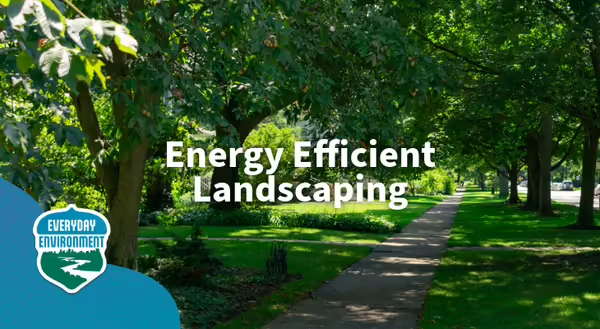
Before central heating and cooling became standard features in many homes, there was greater emphasis on designing homes and their yards to provide natural climate control. This was accomplished by taking advantage of the heating effects of solar radiation in winter, along with the cooling effects of shade and natural airflow in summer.
As we see more extreme cold and heat events in Illinois and energy bills continue to rise, it’s a good time to revisit how what is in your landscape contributes to your home’s climate control and energy efficiency.
How does heat transfer impact home heating and cooling?
Heat transfer is the shift of thermal energy between warmer and cooler objects. Solar radiation entering through windows is the most obvious way heat transfer affects your home.
The thermal energy from solar radiation warms sunny rooms and is particularly strong on the southern and western sides of your home. This can be advantageous during the winter if you use south- and west-facing windows to naturally increase indoor air temperature, so your furnace runs less. In the summer, however, intense solar radiation can be unpleasant, to say the least, and reduce your energy efficiency.
Heat conduction is another energy-loss pathway, in which the temperature difference between the outer and inner walls of your home can influence whether it is heating up or cooling down. How well your house is insulated and air-sealed affects how much heat is gained or lost. During the windy winter months, the frigid air passing over the outer walls of your home increases heat loss even more due to convection.
Plant trees and shrubs to your advantage
Trees and shrubs can modulate the effects of heat transfer. Understanding which direction your windows face and observing how the sunlight hits your yard is an important step in determining what plant growth to encourage or discourage. It’s also valuable to understand how vulnerable your home is to northerly winds.
- Deciduous trees are preferred shade options in front of south, west, and east-facing walls and windows. Shade from the leafy canopy during summer will provide a cooling effect, while the absence of leaves in fall and winter will help naturally heat your home in the cooler months.
- Evergreen trees are best placed on the north and northwestern sides of your home, as they can provide a wind break during the winter months. You can plant evergreens in a wedge shape to slow down wind speeds and force the air to go around your home.
- Plant shrubs along the walls of your home — but not right up against the foundation — to help insulate your home from heat transfer by reducing wind speeds and providing shade against walls.
- Trellises with vines are an affordable option for providing shade to outer walls and patios.
Plant the “right tree in the right place,” meaning be mindful of planting trees that will grow too tall or have too wide of a canopy. The goal is to reduce energy costs, not create maintenance problems or hazards under electrical lines.
If you already have mature trees in your yard, take a closer look at what benefits they are providing. If your mature trees are in decline, consider whether removing them presents an opportunity to increase energy efficiency by planting more appropriate tree species or by rethinking their placement.
If you are starting from scratch in your yard, it can take a long time to see significant growth in trees and shrubs. Be mindful of whether you are choosing fast- or slow-growing species, and remember you’re making an investment in creating a more comfortable, energy-efficient home in the long run.
Learn More
Visit these resources to learn more about heat transfer, heat islands, and how to pick out appropriate tree species:
- U.S. Environmental Protection Agency’s Guide to Reducing Urban Heat Islands.
- Illinois Extension Energy Efficiency Resources
- National Oceanic and Atmospheric Administration Guide to Heat Transfer
- Illinois Extension Safety Tips for Tree Planting and Powerlines
- Illinois Department of Natural Resources Tree Planting Guide
About Everyday Environment
Everyday Environment is a series of blogs, podcasts, webinars, and videos exploring the intricate web of connections that tie us to the natural world.
Was there something about this blog's topic we didn’t cover? See something cool in nature? Let us know! Hit "Connect with Us" below to send us your question or share your everyday nature observation with and we may share it in a future blog or podcast.
Subscribe to the Newsletter Connect with Us Find Your Local Extension Office