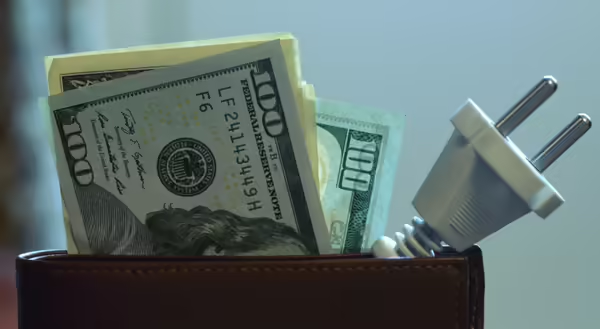
With cold weather settling in, you may notice your energy costs rising as you try to stay warm. Seasonal temperature changes can have a big impact on both gas and electric bills, so it’s important to plan your spending with these fluctuations in mind. While staying comfortable is essential, there are many simple ways to reduce energy waste and cut costs.
Small daily changes can make a noticeable difference. Try unplugging electronic devices when they’re not in use, washing laundry with cold water, and using air‑dry settings on both your dishwasher and dryer. Adjusting your thermostat when you’re away from home can also prevent unnecessary heating costs. Over time, many small habits add up to meaningful savings.
The U.S. Department of Energy offers helpful do‑it‑yourself guides for reducing energy waste, including tips for winterization, saving on water heating, and installing storm windows. Some of the easiest and lowest‑cost improvements include sealing air leaks and lowering water heater temperature. Installing storm windows is another effective option, though it does come with a per‑window cost.
Sealing your windows is one project that offers a great return on investment. Although it may seem simple, it can significantly improve energy efficiency. Spending just one to two hours sealing windows can save an estimated 10–20% on energy costs. With average annual homeowner energy bills around $2,000, this translates to $200–$400 in savings each year. A small investment in time and inexpensive caulk can make a noticeable difference. Lowering your water heater temperature is another quick, no‑cost adjustment that reduces standby heat loss.
After completing easy projects, consider tackling moderate‑level energy conservation projects. Adding insulation can reduce heat loss and boost efficiency in several parts of your home, including hot water pipes, water heater tanks, attic staircases, and around doors and windows. These projects require some materials and a bit more skill, but they can further reduce waste and lower your energy usage. Decide whether these upgrades are worth your time and budget or if hiring a professional is a better fit. Households with limited income may qualify for assistance through the Illinois Home Weatherization Assistance Program (IHWAP).
Finding simple ways to save energy helps lower your bills and support your overall spending plan. Even as you work to conserve energy, be sure your budget still accounts for higher seasonal costs during extreme temperatures. Planning ahead ensures you stay both comfortable in your home and confident in your finances.
References
Illinois Department of Commerce and Economic Opportunity. (n.d.). Home weatherization. DCEO. https://dceo.illinois.gov/communityservices/homeweatherization.html
United States Department of Energy. (2025, April 23). Do-it-yourself energy savers projects. Energy.gov. https://www.energy.gov/energysaver/do-it-yourself-energy-savers-projects
United States Environmental Protection Agency. (n.d.). Low- to no-cost tips for saving energy at home. ENERGY STAR. https://www.energystar.gov/products/recent_program_updates/low-no-cost-tips
Title
Meet the Author
Jamie Mahlandt is a Financial Educator for Bond, Clinton, Jefferson, Marion, and Washington counties in Southern Illinois. She provides financial education to the local community with an emphasis on financial literacy and financial well-being.
Title
Subscribe
Subscribe to receive monthly blog updates.