Herbs are a hearty group of plants that can fit into most any landscaping, adding beauty from flowers or
foliage, while providing an easy-to-access fresh supply for use in everyday cooking. Thyme is a perennial
herb that has been a garden staple in my home garden. From the more ornamental, creeping varieties
that add beauty to stepping stones to the traditional, upright culinary varieties, this plant is a performer
of special significance in any garden.
Thyme throughout history
Thyme is a member of the genus Thymus, which includes over 350 species that are native to Europe,
North Africa and Asia. The most common species of thyme used in this country is Thymus vulgaris,
commonly known as English Thyme, but native to the Mediterranean. The species of this genus have
been highly valued throughout time for their medicinal and culinary uses.
Thyme was put to use medicinally during the Greco-Roman era, long before it became the culinary
delight we know it as today. The name comes from the Greek, meaning “to make a burnt offering”,
which implies the spice was burned during sacred ceremonies. The ancient Greeks believed that thyme
was a source of courage and burned it to evoke bravery in those who inhaled the smoke. In the Roman
era, it was also considered a sign of courage and was exchanged among soldiers preparing for battle.
Romans also believed thyme would provide protection from poison if consumed before or during a
meal. Thus, the herb gained popularity among Roman leaders seeking protection from perceived poison
threats, paving the way for the culinary presence it serves today.
Thyme in the garden
This wiry-stemmed, perennial herb rarely exceeds 12 or 16 inches in height and comes in a variety of
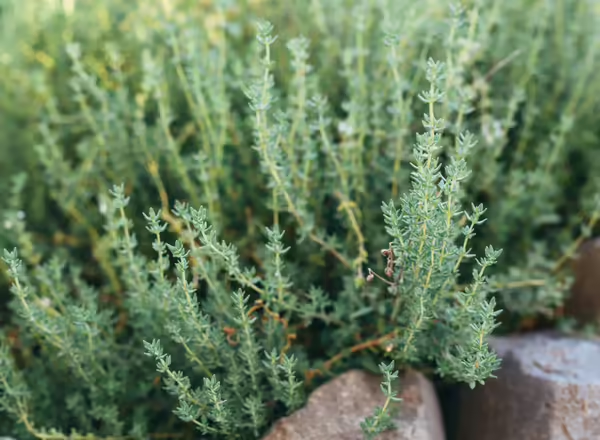
growth habits from creeping ground covers to more upright, shrub-like plants. It typically forms a dense
mat that can serve to fill voids in landscaping and add wonderful texture with its stiff, thin woody stems
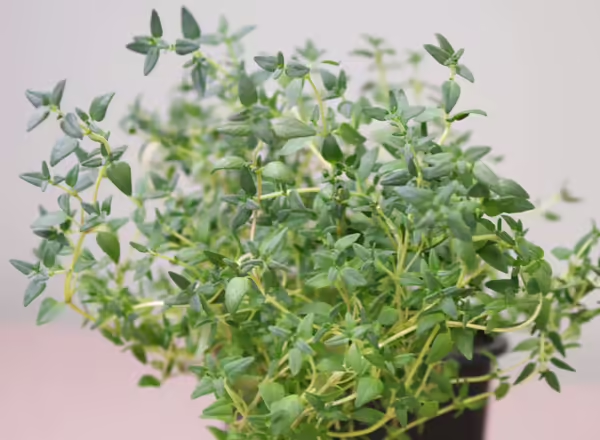
and small, oval, and gray-green leaves that gently roll under at the edges. Flowers form in small clusters
of pink or white to purple and are quite attractive to bees and other pollinators. Given the wide range
of varieties available today, it is possible to have blooming thyme in your garden from May to August.
Thyme prefers full sun and very well-drained soil. Once established, it is a tough plant, tolerating
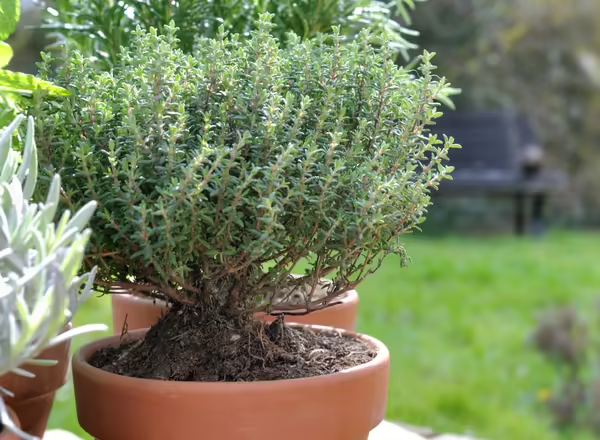
everything from foot traffic to mowing. In fact, thyme becomes more and more woody as it gets older,
requiring severe cutting back in spring to renew the stand occasionally. It is quite drought-tolerant as
well, not needing as much careful watering as other, more sensitive plants. I have found the best
landscape use for thyme as a border or edging plant, or as a groundcover to fill voids. Since it is so tough
and resilient, it can handle higher traffic locations where I need to step from time to time.
Thyme may be harvested and dried for later use, but I have found it works best to have an established
patch and harvest it as needed. Although it has the greatest flavor and aromatic character immediately
before blooming, it can even be harvested this time of year for cooking. It may just take a slightly larger
quantity of thyme than your recipe specifies.
Thyme in a pot
Thyme can also be grown in small pots on a sunny kitchen window or other indoor locations that receive
significant light. I recently found live thyme plants for sale at a local grocery store and purchased one. I
plan to repot it into a larger container, harvest a few sprigs as needed for the next several months, and
then plant it outdoors later this spring. This time of year, it is a wonderful taste of summer to add to
your kitchen window.
Whether you are looking for courage before heading into battle or protection from poison, consider
adding some thyme to your landscaping this season. This tough and versatile little plant can spruce up
most landscape settings and will provide you with many bountiful harvests.