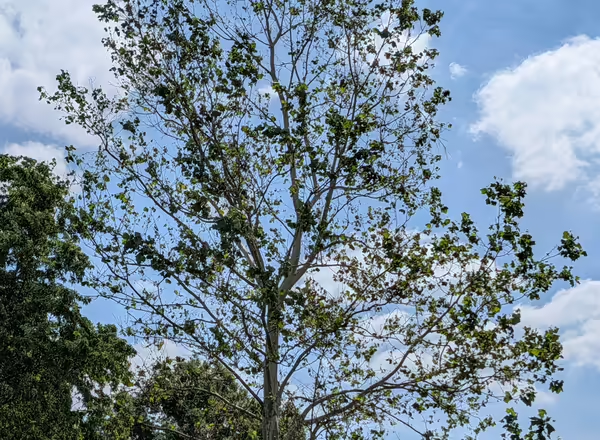
With our cool, wet spring, conditions were perfect for the development of anthracnose. This common tree disease is present every year, but tends to ebb and flow with our spring weather.
Although a variety of tree species experience anthracnose infection, the American sycamore (Platanus occidentalis) typically shows the worst signs of anthracnose infection in our area, making it somewhat of a poster child for the disease.
What is Anthracnose
Anthracnose is a common name used to refer to a group of fungi that cause damage to shade trees. Given its propensity to infect a variety of tree species other than sycamore, it is quite possibly the most widespread and unsightly disease of shade trees in the Midwest. Although it detracts from ornamental appeal, it rarely causes tree fatality, and most species are able to coexist with the fungi. However, dogwood (Cornus florida) is one major exception with anthracnose infection causing widespread death of this species across its native range.
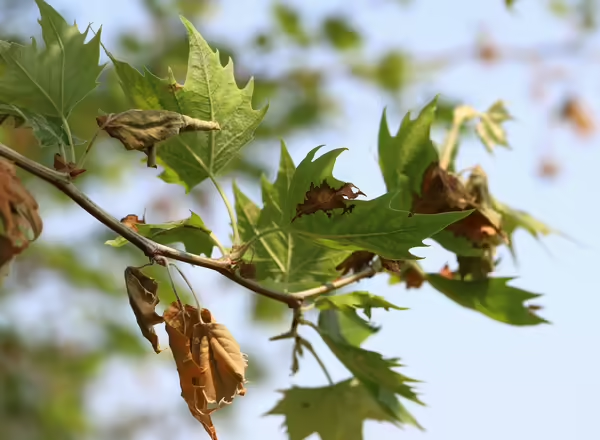
Each spring, anthracnose spores infect newly forming sycamore leaves, causing brown or black blotches along leaf veins. In severe cases, such as this spring, the fungal infection is so extreme that young leaves die and fall off.
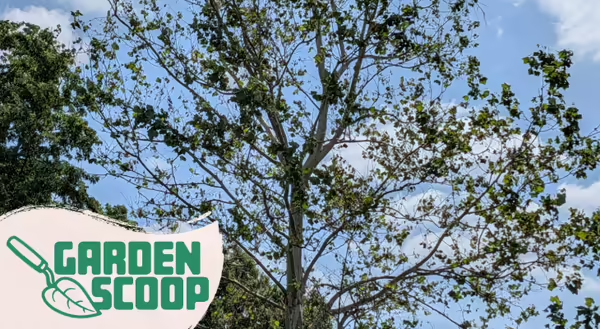
Anthracnose becomes especially noticeable on species with susceptible twigs, such as sycamore and dogwood. Spores can infect new shoots and buds, often killing them before leaves can even develop, creating the alarmingly bare tree canopies we can see now.
Sycamores can also develop stem cankers, which kill twigs and create a “witches' broom” appearance on branch tips. These active cankers also serve as reinfection sources during subsequent years.
Spring weather is the primary driver of this pathogen each year. The perfect conditions are created when temperatures are in the 50s during initial leaf out, and bud break with frequent rain and wind helping to disperse spores and increase infection rates.
Will Anthracnose kill my tree?
The good news is that sycamores have coexisted with anthracnose for eons and typically recover with a second flush of new leaves by mid-summer. Although infected trees lose significant energy in spring while attempting to leaf out, once a canopy finally emerges, the energy produced during the rest of the growing season can supplement the loss. However, repeated years of severe infections can work to lower tree health over time.
Minimizing Anthracnose Stress
While there is no practical treatment for anthracnose, we can do a lot to help out sycamores during the growing season, simply by easing drought stress. Right now, it is incredibly dry across central Illinois as the rain has really tapered off over the last month or so, and warmer days have increased the demand on soil moisture. Heavily infected trees may struggle to form their second flush of leaves in the coming weeks if the dry conditions continue. This stress will be compounded if we experience additional drought conditions, like last year, for the rest of the summer. Therefore, anything that can be done to preserve moisture, such as mulching, is a huge help. Watering during times of low rainfall can help maintain production and boost energy reserves for next year.
Consider other measures to reduce stress on your tree, such as delaying pruning for another year with less anthracnose pressure or making sure to limit disturbance of the root zone of your plant. Under a typical tree canopy, the highest density of roots exists near the dripline. Limit activities in this critical area that may increase soil compaction or disturbance, such as vehicular traffic or even extra passes with a mower.
To lower reinfection next year, clean up and destroy dead leaves and twigs as they can be a source of reinfection next year. Where possible, attempt some careful pruning to remove stem cankers as well to reduce spring spore production.
Although a large, bare sycamore is unsightly this time of year, have faith that your tree will recover and leaf out in the coming weeks with a new flush of leaves. In the meantime, enjoy the beautiful, contrasting bark that remains more visible in the absence of leaves, with the hope that sycamores will fare better next spring and bark will be concealed by a thick canopy in June.
Ryan Pankau is a University of Illinois Extension Horticulture Educator serving Champaign, Ford, Iroquois, and Vermilion Counties.