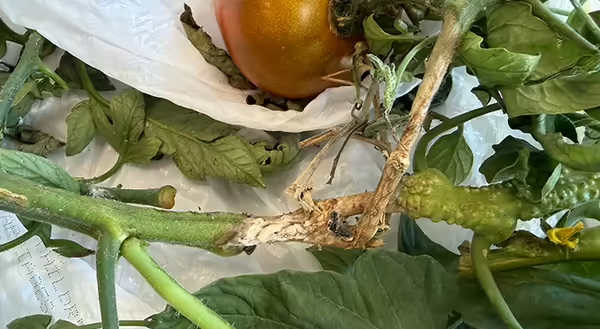
During routine scouting of plants in the high tunnels at DSAC, a tomato plant was observed to be severely wilted. Upon further inspection, a dried up, tan colored section of the stem was found just above the first string of the trellis weave tying system. The plant was carefully removed and placed in a garbage bag, making sure that all plant material was removed but not damaged further. A flag was placed in the row where the plant was removed and will be used to identify the location as a potential disease “hot spot” for the next growing season.
This was the second tomato plant within the same high tunnel to be removed because of white mold or timber rot (Sclerotinia sclerotiorum) this season. When a longitudinal cut was made through the stem, the classic irregularly to cylindrical shaped grayish black fungal structures (sclerotia) were present.
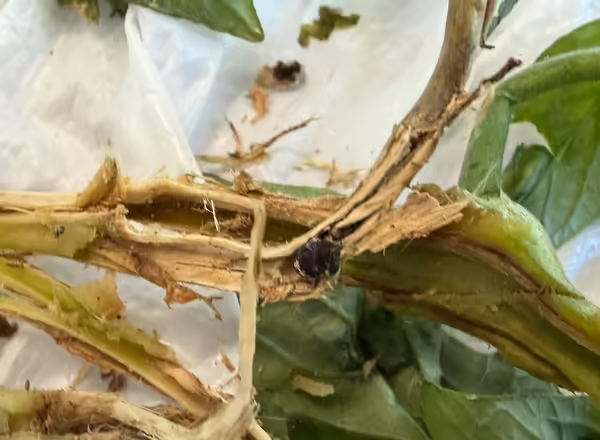
When removing the infected plant material from the tunnel, care was taken to not allow any of the sclerotia bodies to fall onto the soil. Careful removal and sanitation are two important measures to help control this soil borne fungal disease from spreading in subsequent years. University of Missouri has detailed information on the life cycle and management of white mold but the majority of management will be cultural as fungicide options are very limited and tend to only offer suppression. Crop rotation with non-host plants is recommended and usually includes some type of small grain. Other cultural recommendations include deep tillage, at least 12 inches, and anaerobic soil disinfestation. Deep tillage may not be an option for some high tunnel growers and light tillage has the potential to spread the sclerotia bodies over a larger section of the high tunnel, making removal of infected plants before the sclerotia fall to the soil an extremely important step in disease control.
Remain diligent in scouting, as it is a very important step in your overall integrated pest management plan!