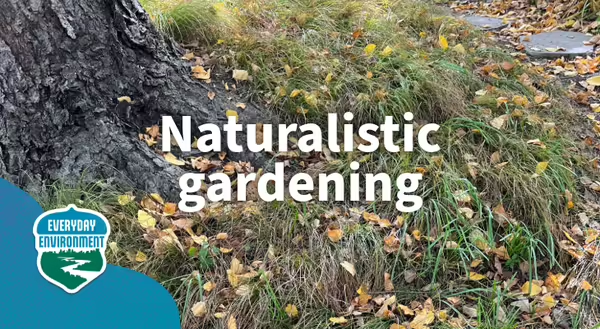
I used to think fall was the time to clean up. Now I know fall is the time to prepare.
When I was very small, I remember the leaves dropping everywhere in the fall. We lived in a rural area on a quarter acre overlooking Queensland Beach, and when the leaves fell, my mother would get us outside raking up the leaves. She liked a neat and tidy lawn, and her beds were cut back and ready for winter.
When Mr. Powers Plants and I bought our first house, we had a lot of leaves, and we raked and bagged them. I did what I had been raised to do: keep the yard tidy, especially the lawn. At no point in my 20s and 30s did I ever consider doing anything else.
This blog was written by Amy Powers, Garden Coach and naturalist gardening influencer.
And then my journey of gardening for ecology began when I read Doug Tallamy’s book, "Nature’s Best Hope." According to Tallamy’s research, we have lost 40% of the world’s insect population and about the same percentage of the world’s bird population.
I was very aware of climate change, but I never thought through the implications for insects and birds. I certainly didn’t know about how my own garden could be used to improve the situation.
With my background in chemistry, I dove into learning about soil microbiomes, fungal networks, deep-rooted prairie plants, and the complex food web. Wait…caterpillars are primary consumers that convert plant tissue into protein for other animals to eat? What?! My mind was blown.
Fall Gardening Tips that Support Local Ecosystems
Fall is a crucial season for all of us to let nature take over and do its job without our intervention. Here’s what I have learned.
Leave the Leaves
Leaves provide benefits to our ecosystem. Many native insects spend the winter living under those leaves or in the soil beneath. Leaves are also mulch for the winter, protecting the roots of your plants from low and fluctuating temperatures. In the spring, those leaves will break down and feed your soil, making your plants healthier!
So if your space allows it, leave some or all of the leaves.
Don’t Pile Leaves in the Street
Hardscape surfaces are not permeable, i.e., water will not infiltrate them. When leaves are left in piles on the street or blow into roadways, rainwater mixes with the leaves and creates a tea that is concentrated in the nutrient phosphorus. This phosphorus tea hits our waterways and concentrates, leading to an increased growth of harmful algae.
Learn more about stormwater practices in Illinois that reduce nutrient runoff.
Don't Prune
Starting in late summer, plants start maximizing photosynthesis and pull carbohydrates into their roots to survive the winter. We do not want to start cutting back any of the plant’s canopy when it needs it most. The amount of food stored in the roots determines whether the plant survives the winter, and whatever food is left gets used for spring growth.
Want beautiful, resilient shrubs and trees? Stop pruning in the fall.
Don't Cut Back Perennials
Many native bees live inside the hollow and pithy stems of perennial plants, and many other insects overwinter in standing plant material. Amphibians, reptiles, and mammals need a place to live, too. Leave the perennials to die back on their own and enjoy the beauty of the fall and winter garden the way nature intended it. Remember: brown is a color!
Add Mulch
Plants need some insulation from cold temperatures and temperature fluctuations. Mulch helps retain soil temperatures, and it prevents moisture loss. Your plants, especially broadleaf evergreens, need that moisture all winter, so make sure you have enough mulch down by early November. And remember those fallen tree leaves? That is free mulch!
Water Deeply
Evergreens need moisture to survive winter. We have recently been experiencing droughts in the fall. Monitor your local rainfall and be sure to water evergreens deeply before the first freeze.
Plant, Transplant, and Divide Plants
Fall is a great time to plant, transplant, and divide plants because soil temperatures are still warm from summer, but there is less heat and water pressure. As a general rule:
- Plant warm-season plants like coneflowers, coreopsis, grasses, etc., while the soil is still warm in September.
- Plants that thrive in the cool season, like spring and fall bloomers, can be planted, transplanted, and divided in October when soil temperatures are cooler.
Ask: Is my garden still blooming?
Pollinators need nutritious nectar and pollen well through the fall. They need to be as healthy as possible if they are traveling long distances to migrate or preparing to hibernate through winter.
Take stock of whether or not you have plants in bloom through Halloween. Explore some fall-blooming flowers that benefit pollinators on the Illinois Pollinators website.
Ask: Do I have seeds and berries for overwintering birds?
Take stock of what plants you have that provide winter food for birds. Leaving your perennials and shrubs alone for the fall also means the seeds and berries are available for overwintering birds to eat.
Learn More
- Powers Plants Videos on Facebook, Instagram, TikTok and YouTube @Powers_Plants
- Nature’s Best Hope, by Entomologist Doug Tallamy
- Reflections on the Winter Landscape by Piet Oudolf
About Everyday Environment
Everyday Environment is a series of blogs, podcasts, webinars, and videos exploring the intricate web of connections that tie us to the natural world.
Was there something about this blog's topic we didn’t cover? See something cool in nature? Let us know! Hit "Connect with Us" below to send us your question or share your everyday nature observation with and we may share it in a future blog or podcast.
Subscribe to the Newsletter Connect with Us Find Your Local Extension Office