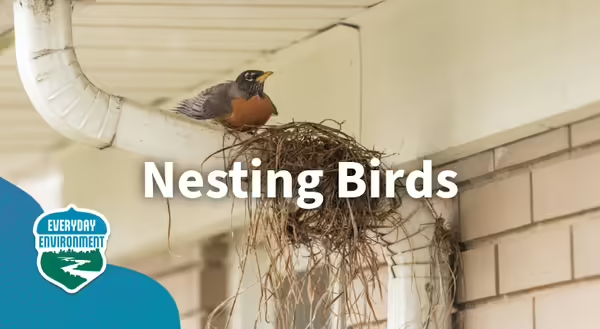
Every spring and summer, increased bird activity becomes noticeable around the home. I love sitting outside on my patio and watching my yard come to life.
Birds begin searching for sheltered, quiet places to build nests. In areas with more lawn and fewer shrubs or trees, it’s common to see birds selecting nesting spots under eaves, in gutters, on porch fixtures, in shrubs, through attic vents, or chimneys. It’s a reminder of how closely wildlife and residential spaces overlap, especially in Illinois neighborhoods.
Birds clearly bring benefits. They help manage insect populations, are food for other wildlife, and add natural activity and sound to the environment. Can you imagine the world without birdsong?
At the same time, nesting near a home can sometimes create maintenance concerns. I’ve received inquiries from frustrated homeowners who have experienced their gutters clogged with nesting material, vents rendered useless for airflow, agitated parent bird behavior if you exit the front door, and what to do about all the droppings accumulating on their walkways, patios, homes, or vehicles.
Barn swallows control insects and enrich our landscapes with their graceful flight, however to some, they are considered a nuisance. Their nests on buildings can create problems with droppings and debris. Homeowners can prevent nesting in undesirable places by removing old nests before birds arrive, blocking nesting sites, or interrupting nest construction before eggs or chicks are present, as repellents are generally ineffective.
In some cases, birds may also become more vocal or defensive when nesting near doorways or high-traffic areas. Mobbing in birds is a defensive behavior in which one or more birds collectively harass, dive at, call loudly, or chase away a perceived predator to drive it out of their territory. The action confuses or overwhelms the predator to leave the area. The easy meal is no longer easy.
During mobbing, you might see birds rapidly circling the human intruder and making loud, repeated alarm calls. They may dive bomb the “threat” with or without making contact. Mobbing from a swallow might be annoying, but it comes with zero threat as their tiny bills and feet cannot harm us.
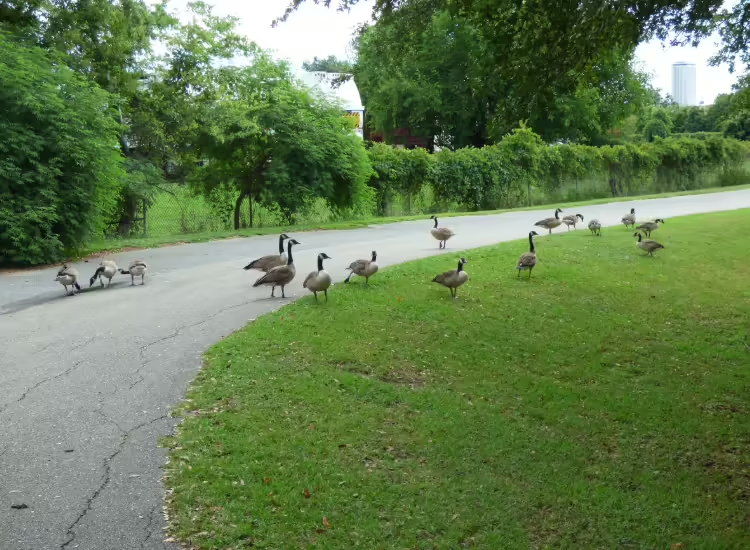
Mobbing from an aggressive bird, like a goose or a raptor, could be an unpleasant experience. Have you ever been chased by an overprotective goose? Geese thrive in urban areas, commonly nesting near lakes and ponds. While many people enjoy seeing them, large flocks can leave excessive droppings in parks, golf courses, and neighborhoods. Once established, they are often difficult to relocate. Nesting raptors may aggressively defend their nests by dive-bombing people who come too close. With their sharp bills and talons, it is important to understand if they are using your home landscape and to give them space and privacy.
Understanding Policy
A key factor shaping how these situations are handled is legal protection. Most native birds and their active nests are protected under the Migratory Bird Treaty Act and the Illinois Wildlife Code. Once a nest contains eggs or young birds, it generally cannot be disturbed or removed. Understanding this changes the approach from reacting to nesting activity to planning ahead for it. During the late spring and summer months, it is best to practice patience and give your local birds a chance to nest. Many birds will fledge in a matter of a few weeks.
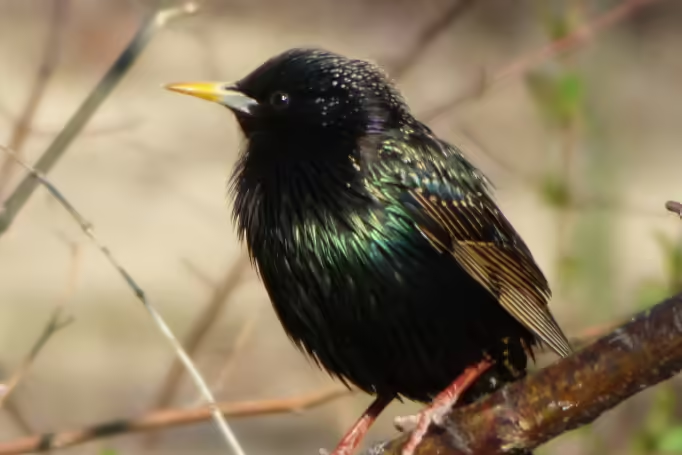
Like Iowa, the only species in Illinois that are not protected are house sparrows, European tree sparrows, European starlings, and feral rock pigeons. These birds are not native to North America and have been found to damage structures, pose health risks to people and livestock, and displace native birds.
Prevention as a Practical Strategy
Before nesting season is fully underway, it helps to observe common nesting areas and make small adjustments. Sealing gaps in siding, installing gutter, vent, or chimney covers, and screening off sheltered ledges or porch lights can reduce opportunities for nesting in problematic locations. Nests in these locations can cause issues with airflow, water drainage, or fire hazards. Early intervention is especially important, since discouraging nest building before eggs are laid is typically allowed and more effective.
There are still times when birds choose inconvenient spots, such as above a frequently used entrance or near a patio or pool. Limiting disturbance, redirecting foot traffic, and keeping pets away from the area allows the nesting cycle to continue without interference. To prepare for next year, start inspecting your home from early October through February and make any necessary changes.
A more balanced approach to property care also helps reduce future conflicts. Maintaining native plants, limiting pesticide use when possible, and keeping outdoor cats indoors during nesting season all support healthier bird populations while making the yard less disruptive for both people and wildlife.
Coexisting with nesting birds is about preparation and perspective. Property protection remains important, but so does recognizing that birds are simply following natural behaviors in a shared environment. With thoughtful prevention and a willingness to work around short-term nesting activity, most situations can be managed in a way that respects both the home and the wildlife that surrounds it.
Resources to learn more
About Everyday Environment
Everyday Environment is a series of blogs, podcasts, webinars, and videos exploring the intricate web of connections that tie us to the natural world.
Was there something about this blog's topic we didn’t cover? See something cool in nature? Let us know! Hit "Connect with Us" below to send us your question or share your everyday nature observation with and we may share it in a future blog or podcast.
Subscribe to the Newsletter Connect with Us Find Your Local Extension Office