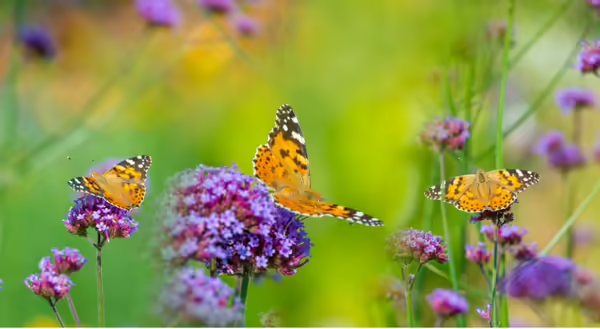
National Pollinator Week, June 22–28, is the perfect time to evaluate how pollinator-friendly your backyard is and to explore ways to support these essential creatures. Why should we care? Pollinators are responsible for one out of every three bites of food we take by transferring pollen between flowers, enabling the production of fruits and seeds. We have a variety of insects to thank, including butterflies, bees, moths, beetles, and flies. In fact, more than 80% of flowering plants rely on these small but hardworking animals for pollination.
When planting with pollinators in mind, include a variety of nectar-rich flowers that will provide them with food throughout the growing season. Aim for a mix of annuals and perennials that bloom from spring through fall, with overlapping bloom times to ensure continuous resources. Different pollinators are attracted to different flower shapes, sizes, and colors, and they are active at various times of the year. Incorporating native plants is especially beneficial, as they are well-adapted to local conditions, require minimal maintenance, and provide excellent sources of nectar and pollen.
Blue false indigo (Baptisia australis) is a favorite of bees, with its clusters of blue, pea-like blooms lining tall stalks. Its bluish-green foliage and shrubby habit make it an attractive garden addition, reaching 3-4 feet tall. This drought-tolerant plant also serves as a host plant for several caterpillar species.
Purple coneflower (Echinacea purpurea) thrives in drought, heat, humidity, and poor soil. Growing 2–4 feet tall, it produces purple, daisy-like blooms throughout the summer that attract bees and butterflies. As flowers fade, they form brown, spiky seed heads that persist in winter and serve as a valuable food source for songbirds.
Orange butterfly weed (Asclepias tuberosa) produces vibrant orange blooms that create a striking display when planted in masses. This compact plant grows 1–3 feet tall and spreads by seed once established. It is a host plant for monarch caterpillars and a nectar source for bees, moths, and flies.
New England aster (Symphyotrichum novae-angliae) is a fall-blooming perennial that provides late-season support for pollinators when many other flowers have faded. With an upright habit reaching up to six feet tall, it works well as a backdrop in garden beds. Its purple, daisy-like flowers cluster at the tips of the stems.
Joe pye weed (Eutrochium purpureum) has large clusters of pale pink flowers atop sturdy stems 5–7 feet tall. It supports more than thirty species of caterpillars and provides abundant nectar for butterflies, bees, and moths.
Beyond planting a pollinator-friendly garden full of colorful blooms, simple backyard practices can further support these important species. Turn off outdoor lights at night to avoid disrupting night-flying pollinators. Allow a few beneficial “weeds” to grow in your lawn or garden, such as clover and dandelions, as they can provide valuable nectar. Offering a shallow water source can also help butterflies stay hydrated.
For more research-based information and ideas, visit the Illinois Extension Pollinators website at illinoispollinators.org. By making small changes in your own backyard, you can play an important role in supporting pollinators and promoting a healthier ecosystem.