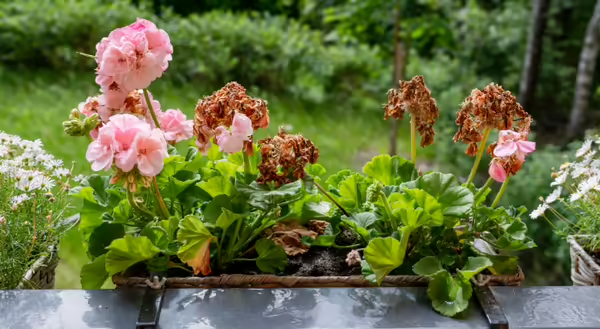
As mid-summer reaches its peak, many flowering plants begin producing faded blooms. One of the simplest maintenance tasks a gardener can do in the height of garden season is to remove spent blooms. Deadheading promotes plant health and encourages new blooms, keeping plants looking good throughout the growing season.
What is Deadheading?
After a flower has faded, plants suspend the production of new blooms to begin to form seeds. Deadheading interrupts this process and will often trigger flower production. Annual flowers such as petunias, zinnias, and geraniums are common ornamental plants that respond well to deadheading.
Deadheading is a common practice for annual flowers. Some perennials, vegetables, and some shrubs benefit from deadheading too.
Benefits of Deadheading
After a flower has faded, plants suspend the production of new blooms to begin to form seeds. Deadheading interrupts this process and will often trigger flower production. Annual flowers such as petunias, zinnias, and geraniums are common ornamental plants that respond well to deadheading.
In addition to new blooms, deadheading improves visual appeal by removing dead flowers that become brown and shriveled. Removing them keeps flower beds and containers looking neat and well-maintained. Regular deadheading can also prevent plants from appearing exhausted or overgrown during the middle of summer.
By removing developing seed heads, plants that reseed readily in the garden are managed better. Unwanted seedlings are prevented from germinating through seed removal in advance of dispersal.
Finally, removing spent blooms can improve air circulation around plants and may reduce opportunities for certain diseases to develop on decaying plant material. It also allows gardeners to inspect plants regularly for pests, diseases, or other problems.
How to Deadhead
Deadheading can be done with a variety of tools. If the plant is delicate, a pinch of fingernails or a small floral snip can be good options. For larger stems, a bypass pruner will work well.
Before deadheading, identify which flowers will be removed. Look for those that are fading, have lost petals, or are beginning to develop seeds. Trace the stem of the fading flower down to the next set of healthy leaves, a lateral bud, or a side shoot. Make a clean cut just above this location. Remove the spent blooms from the garden to keep the space looking tidy. If spent flowers show signs of disease, place them in the trash rather than the compost pile to help prevent disease spread.
A small task that extends the bloom season
Deadheading is one of the quickest and most rewarding garden maintenance tasks. Spending a few minutes each week removing spent blooms can encourage continued flowering, improve garden appearance, and help plants remain productive throughout the growing season. Whether caring for containers on a patio or maintaining a large flower garden, gardeners who make deadheading part of their routine are often rewarded with weeks of additional color and enjoyment.
Good Growing Fact of the Week: When deadheading, take the opportunity to examine plants for signs of insect damage, disease, drought stress, or nutrient deficiencies. Regular observation is one of the best tools gardeners have for maintaining healthy landscapes.
Thank You for Reading!
Sign up for our emails! Want to get notified when new Good Growing posts are available? SIGN ME UP
Give us feedback! How helpful was this information (click one): Very helpful | Somewhat helpful | Not very helpful
Meet the Author
Emily Swihart is a horticulture educator with University of Illinois Extension, serving Henry, Mercer, Rock Island, and Stark counties since 2021. Emily provides horticulture programming with an emphasis on the home gardener, the urban forest, native plant ecosystems, and landscape design. Additional responsibilities include supporting local county Master Gardener and Master Naturalist volunteers - providing training, continuing education, advanced training, and their involvement in seasonal events and community outreach programs.