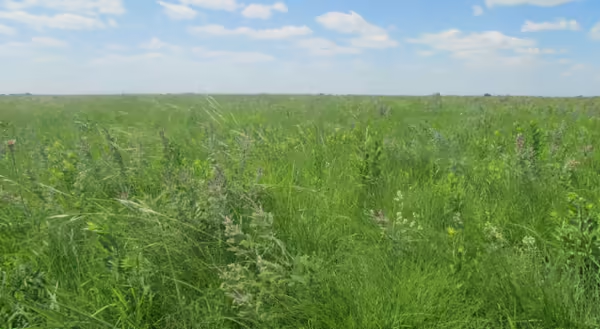
It’s been quite a few years since my eyes were opened to the wonder and beauty of prairies, but I’ll never forget that day. In one of my environmental studies classes in college, we were instructed to go out in the prairie, find a spot to sit, and make observations for about an hour. I remember being awestruck by how much life I could see right in front of me, from different grasses and wildflowers to jumping grasshoppers and busy bees. I knew right then and there that the prairie had my heart.
Since you are reading a blog about grasses, I’m guessing you have at least some interest in prairies and the larger grassland ecosystem! But many Americans don’t share that interest.
Public perceptions of grasslands
A recent survey conducted by GlobeScan found a low awareness and knowledge of grasslands among 2,000 Americans surveyed, with 47% reporting little or no knowledge of these ecosystems.
People also perceived threats to grasslands as low, whereas in reality, the tallgrass prairie is the most threatened ecosystem in the U.S. At the end of the survey, respondents' perceived importance of grasslands increased, showing that awareness is key. Many respondents, 71%, then exhibited strong support for grassland conservation.
You can read the full survey results in the US National Grassland Survey report.
Benefits of grasslands
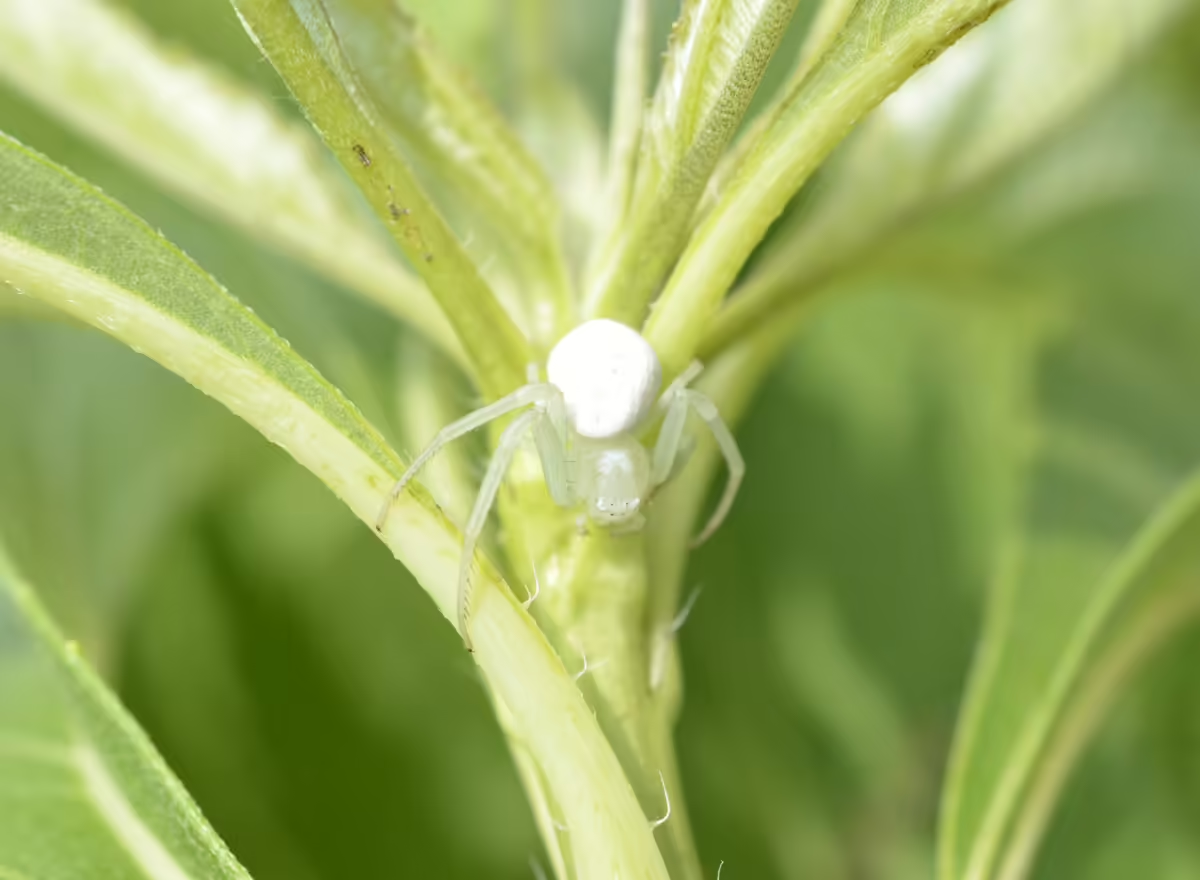
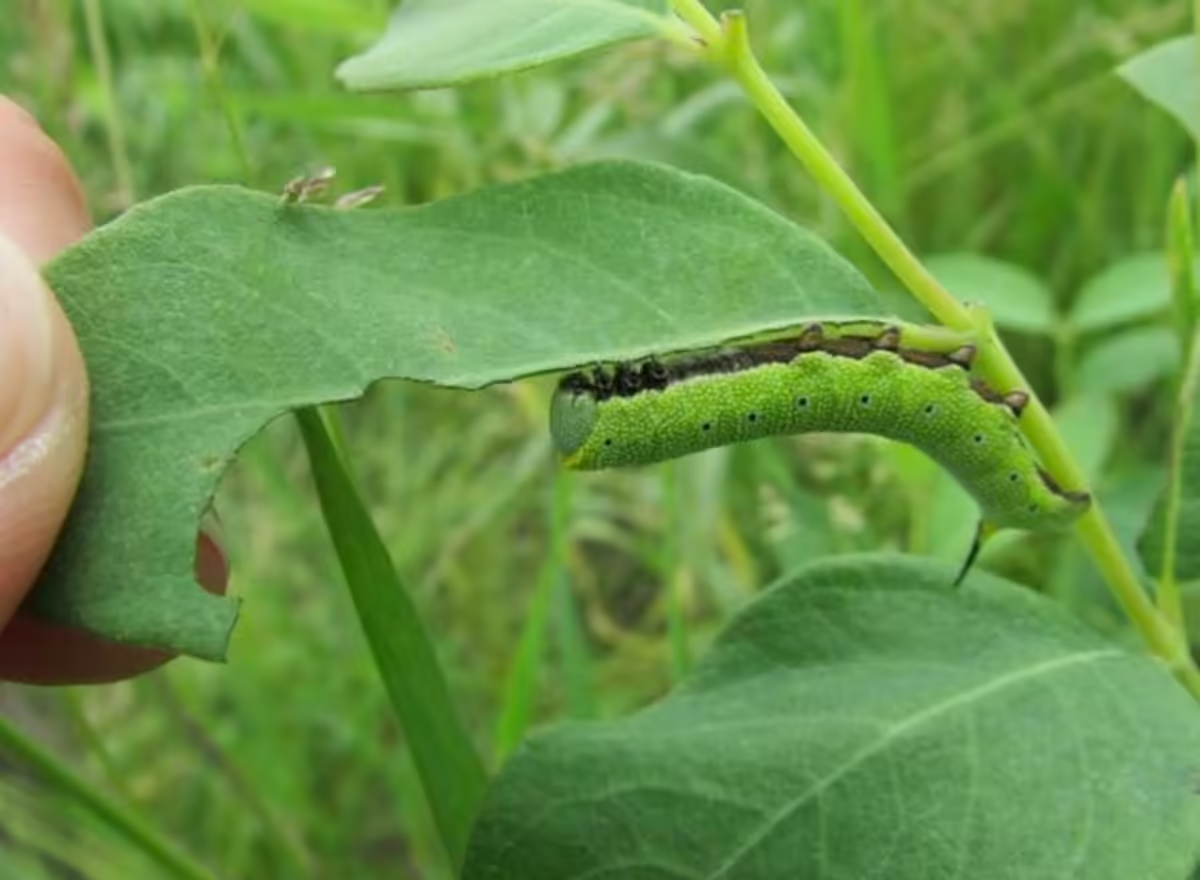
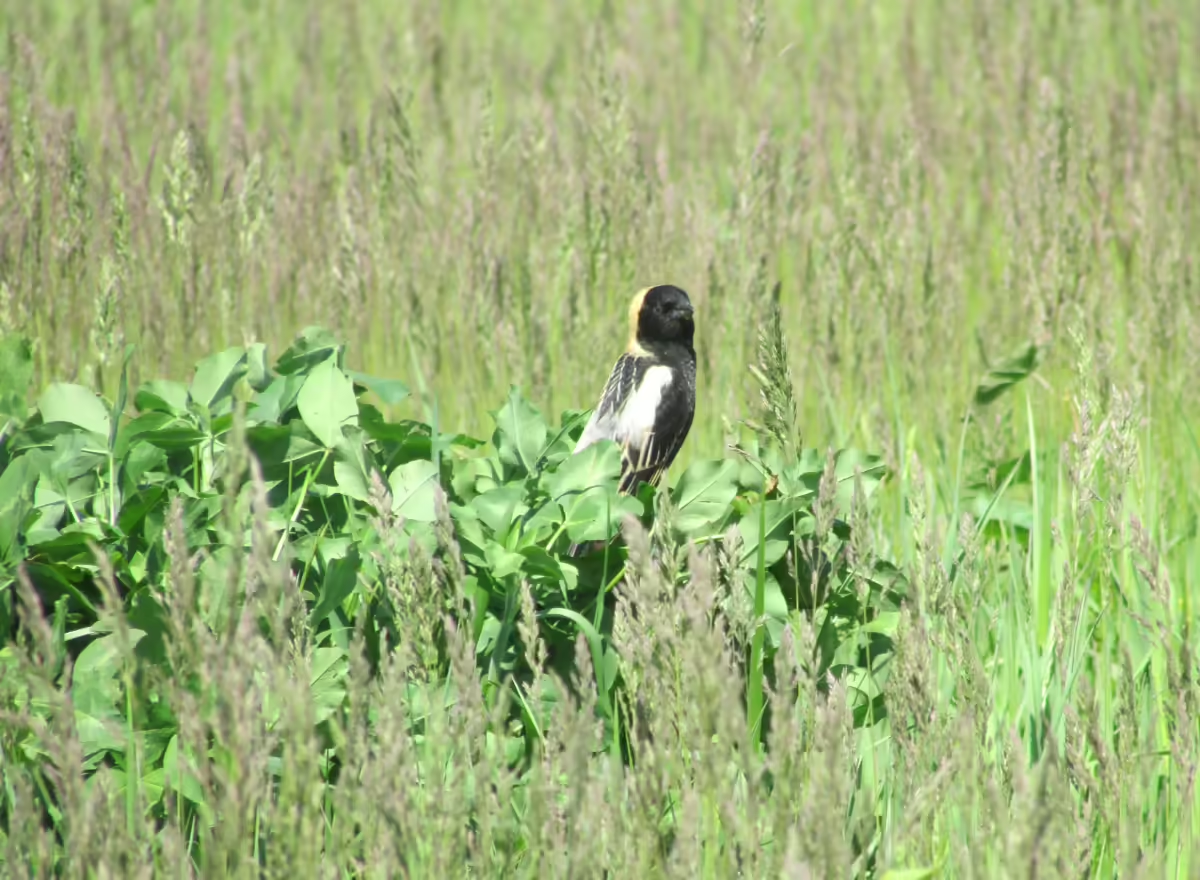
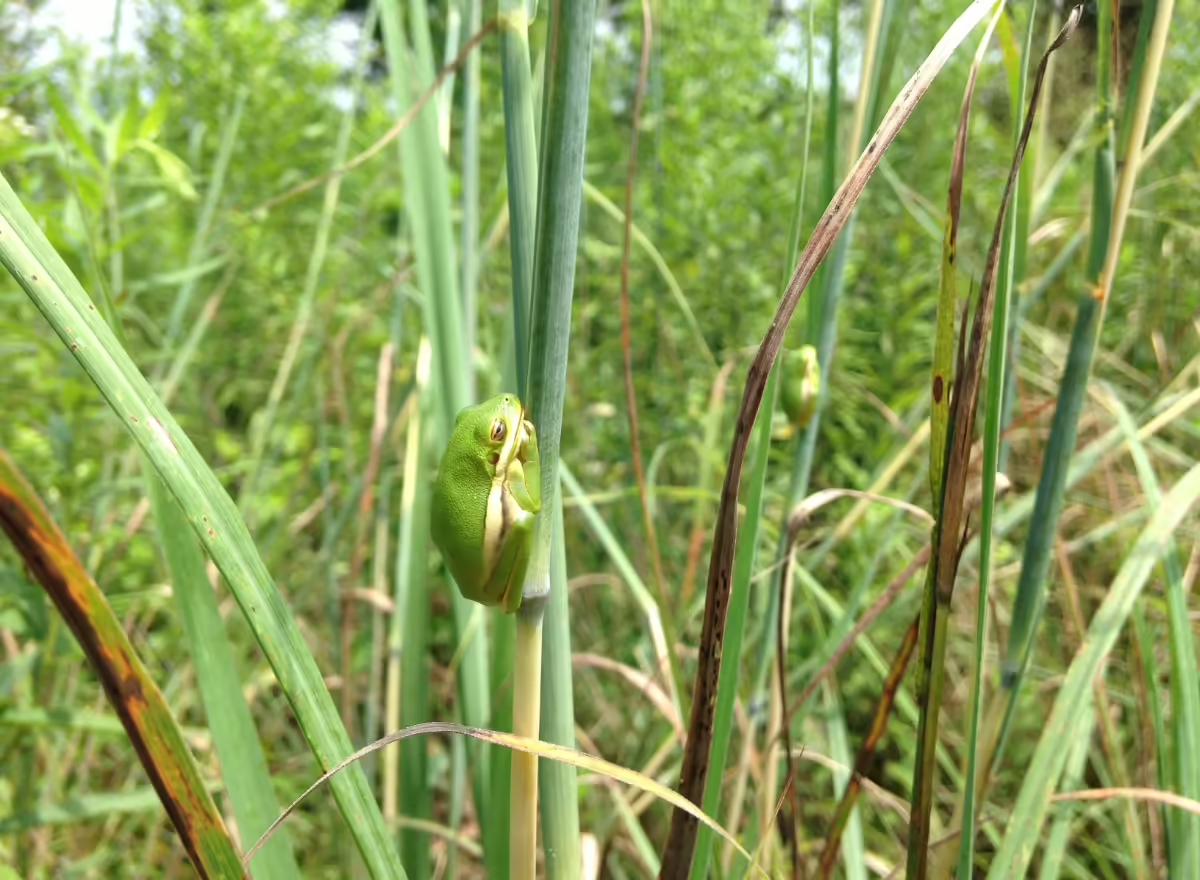
As someone who loves talking about grasslands, I find that they tend to be underappreciated. But they provide many ecosystem services, like storing carbon with their deep roots, filtering water, and providing food and habitat for a diverse array of pollinators, insects, birds, reptiles, amphibians, and mammals.
I also think that many people overlook where grasslands occur — what makes a grassland?
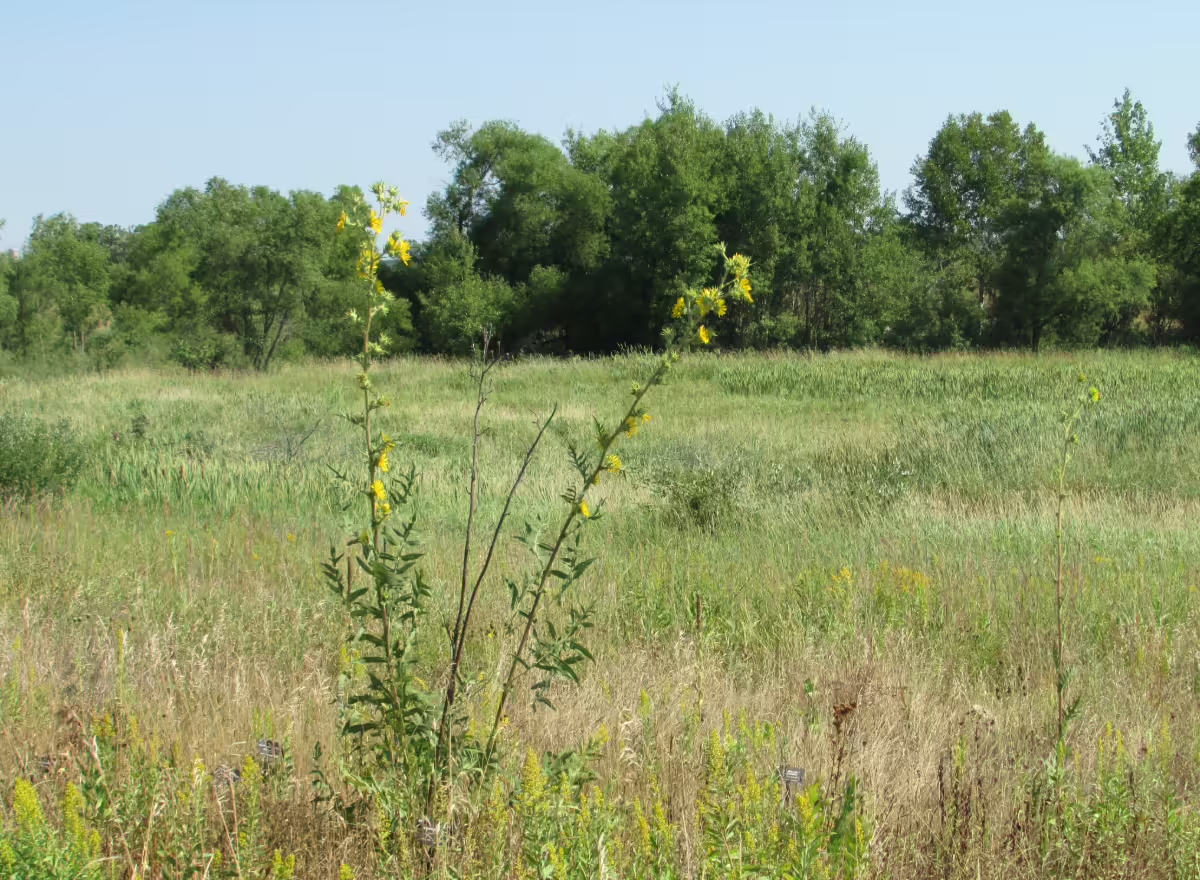
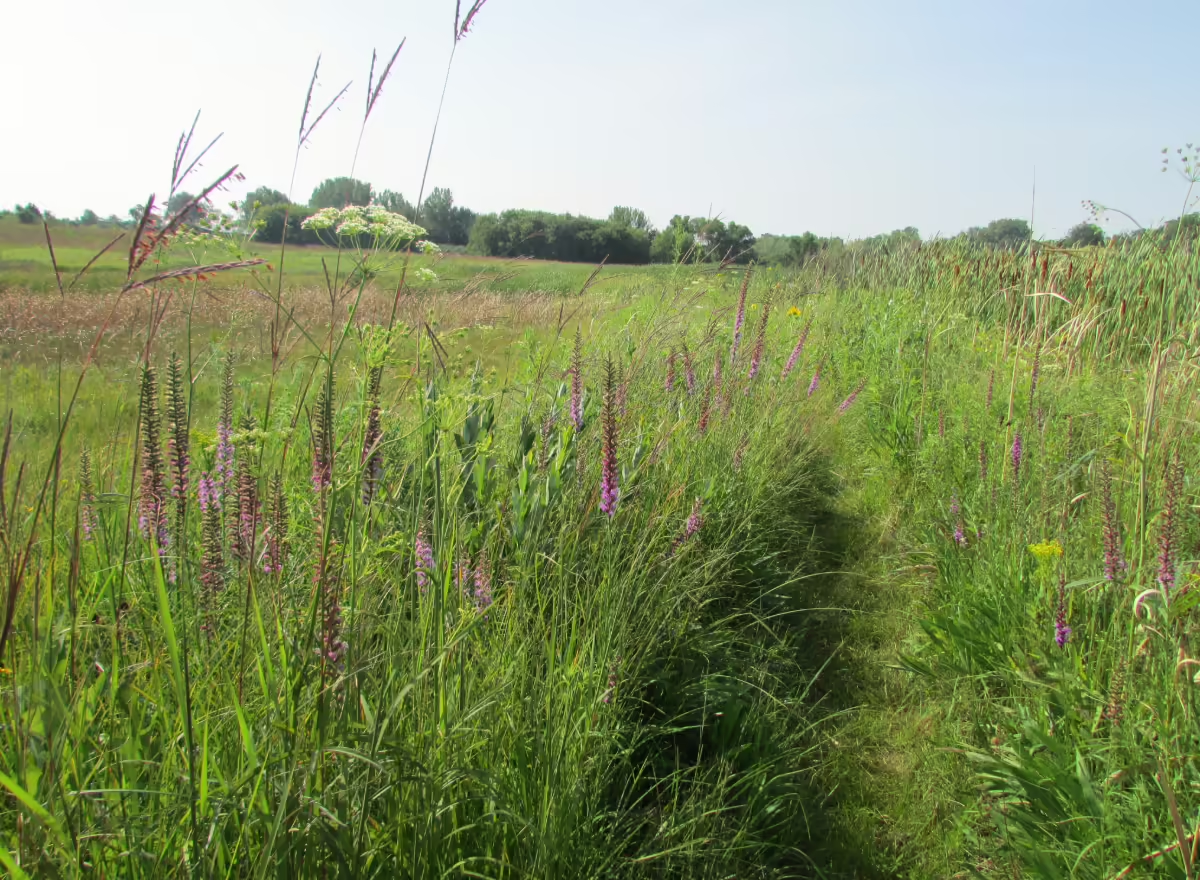
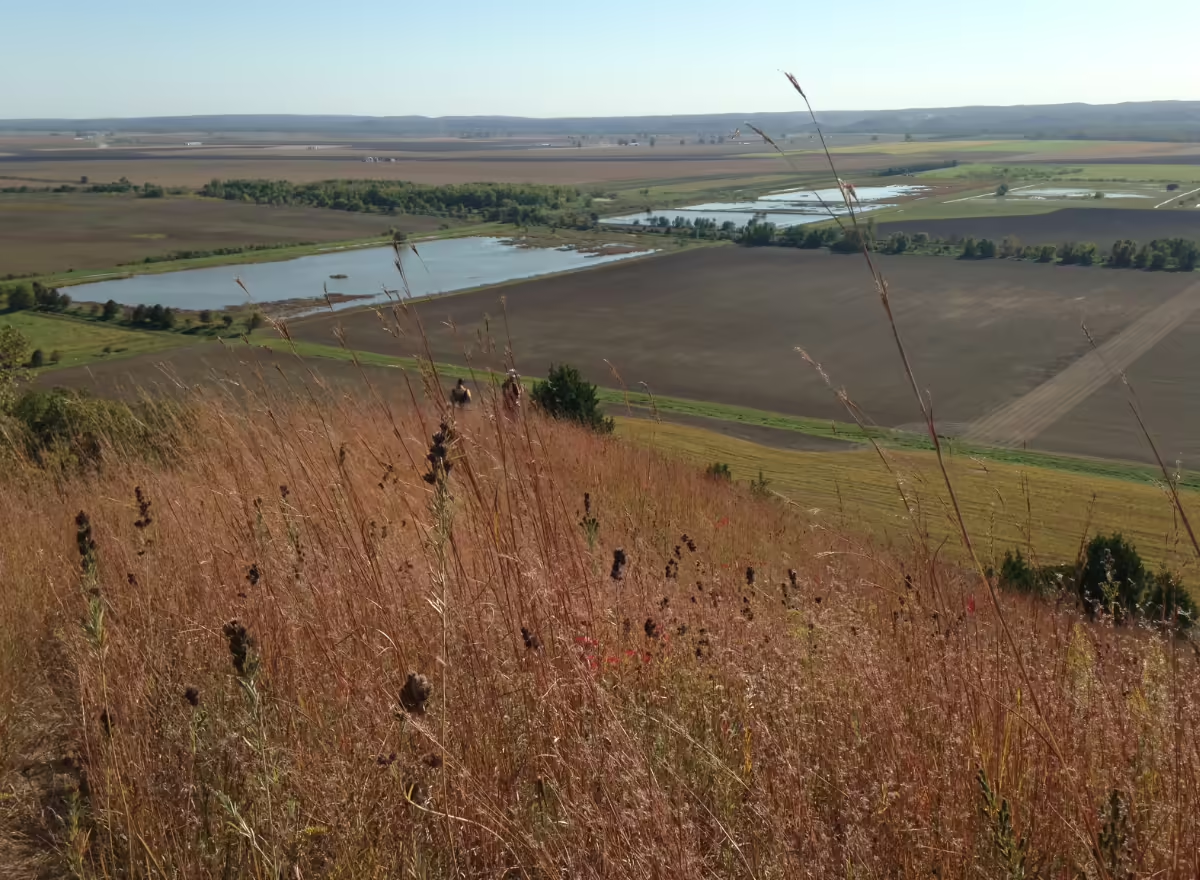
They aren’t just the prairies, although in Illinois that’s often what comes to mind first. A new set of maps created by the American Grasslands Coalition shows a comparison between historical and current grasslands across the U.S., and you can see just how vast and diverse grasslands can be, stretching from coast to coast. Glades, barrens, dunes, and marshes are just a few examples of grasslands found in the U.S. besides prairies.
What can you do?
There are many ways you can support grasslands and share the message of their importance. Talk with friends and neighbors, sharing your stories of experiences in grasslands. Go on a hike, enter observations into iNaturalist, or attend a workday to help with management.
As the survey found, a little awareness can go a long way toward changing what matters to the public. A lot of the time, people don't care about something just because they simply know very little about it. A simple conversation or story can go a long way toward sharing the wonder of nature with others.
About Grasses at a Glance
Never miss a new post! Subscribe to our email list to get updates each time a new post is available.
Give us feedback! How helpful was this information (click one): Very helpful | Somewhat helpful | Not very helpful
ABOUT THE AUTHOR: Erin Garrett is a Natural Resources, Environment, and Energy Educator for University of Illinois Extension serving Alexander, Johnson, Massac, Pulaski, and Union counties. Erin develops and delivers high impact programming to adults and youth to help them develop an appreciation for natural resources and to empower them to make small changes to positively impact the environment. Erin’s programming focuses on why homeowners should consider choosing native plants, how to support native pollinators, how to identify grasses, how to identify and manage invasive species, and developing an appreciation for prairie ecosystems.